THE ADVENTURE COLLECTIVE® · Independent discovery and booking for outdoor travel

Cover Aswan, Abu Simbel and Luxor in two efficient days from Cairo — fly, drive, and explore with a private Egyptologist guide. Early starts, a night in Aswan, and direct access to the Nile’s greatest monuments make this a compact, high-value southern Egypt experience.
Cover Aswan, Abu Simbel and Luxor in two efficient days from Cairo — fly, drive, and explore with a private Egyptologist guide. Early starts, a night in Aswan, and direct access to the Nile’s greatest monuments make this a compact, high-value southern Egypt experience.
Dawn breaks over the Nile as travelers lift off from Cairo — within hours the river’s copper light greets Aswan and the desert opens like a map. The first day moves fast: the modern bulk of the Aswan High Dam, a sail to Philae’s island temple, then a desert drive to Abu Simbel where carved colossi stare down the plain. On day two the Valley of the Kings and Karnak return you to Thebes, where stone avenues and hypostyle halls keep their own slow time.
Verified experiences and guided adventures in the surrounding area.
Operated by Fayrouz Egypt Travel · Aswan, Aswan Governorate
Dawn breaks over the Nile as travelers lift off from Cairo — within hours the river’s copper light greets Aswan and the desert opens like a map. The first day moves fast: the modern bulk of the Aswan High Dam, a sail to Philae’s island temple, then a desert drive to Abu Simbel where carved colossi stare down the plain. On day two the Valley of the Kings and Karnak return you to Thebes, where stone avenues and hypostyle halls keep their own slow time.
This route threads millennia: Pharaonic engineering at Abu Simbel, rescued from the rising Nile in the 1960s; Luxor’s layered cityscape built over the ancient capital of Thebes; and the High Dam, a 20th-century answer to flood and power. Geology is simple but stark — Nubian sandstone and alluvial Nile silt, with the desert’s ochre cliffs framing green irrigated strips. Local culture centers on the river: feluccas still ply the current, and Nubian art and hospitality remain strong in island villages.
Practical guidance: carry your passport and photocopy, expect early starts and airport transfers, and plan for heat in summer with sunscreen and hydration. Comfortable, broken-in walking shoes and a light scarf for temple dust are useful; many sites require modest dress. Time your photography — early morning or late afternoon light reveals carved reliefs best, while midday is prime for shaded museum visits and a relaxed lunch.
This compact itinerary suits travelers short on time who want curated access to Egypt’s southern icons without logistics hassle.
moderate.
2 days.
Suitable for travelers in average fitness — involves walking on uneven temple floors and brief climbs; not strenuous.
Most nationalities require a visa to enter Egypt; check your government’s rules and arrange a visa in advance or obtain one on arrival where available.
This package includes domestic flights (Cairo–Aswan and Luxor–Cairo) and major transfers, while some monument entrance fees and guided tours are covered per the itinerary — confirm specifics at booking.
The itinerary is rated physically easy and suitable for most ages, but temple stairs and heat can challenge very young children or those with limited mobility; notify the operator for special needs.
Abu Simbel is accessible by private vehicle; the operator plans transfers but changes for operational or weather reasons are possible — cancellation and refund policies apply.
This route traces ancient Thebes and Pharaonic burial sites; Abu Simbel was relocated in the 1960s to save it from the rising Nile after the High Dam’s construction.
Large monuments face wear from visitor traffic and environmental change; follow site rules, avoid touching reliefs, and support locally managed conservation initiatives.
Fayrouz Egypt Travel operates guided outdoor trips and adventures with an emphasis on safety, stewardship, and memorable experiences.
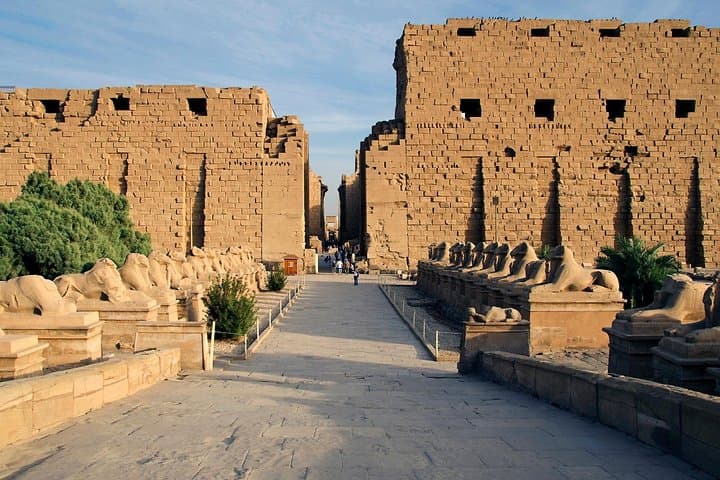
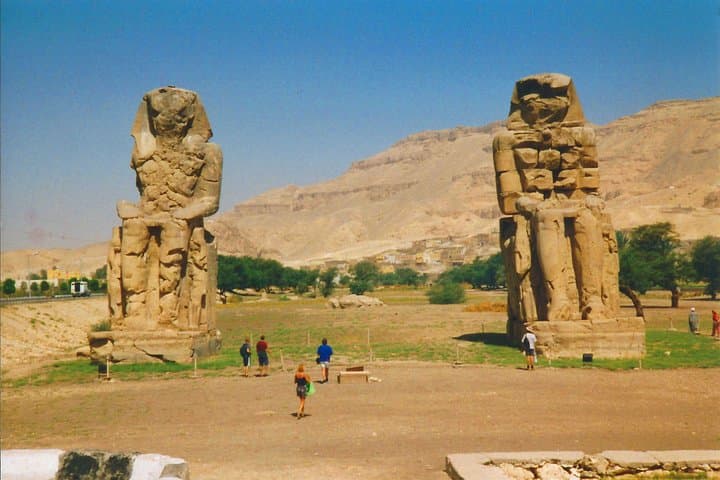
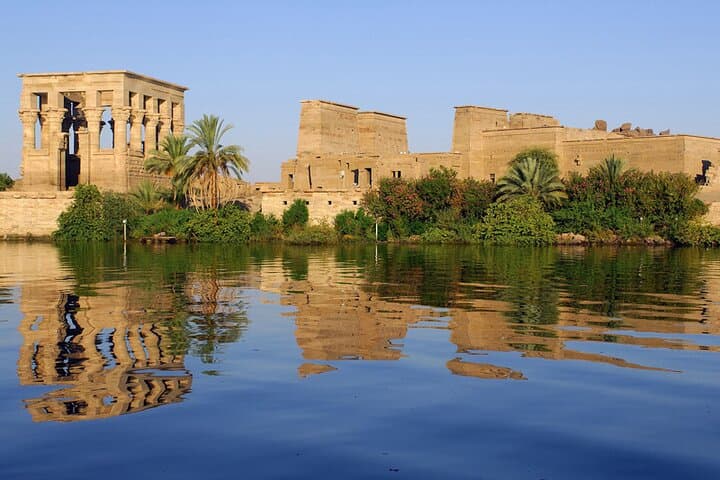
Dawn breaks over the Nile as travelers lift off from Cairo — within hours the river’s copper light greets Aswan and the desert opens like a map. The first day moves fast: the modern bulk of the Aswan High Dam, a sail to Philae’s island temple, then a desert drive to Abu Simbel where carved colossi stare down the plain. On day two the Valley of the Kings and Karnak return you to Thebes, where stone avenues and hypostyle halls keep their own slow time.
Dawn breaks over the Nile as travelers lift off from Cairo — within hours the river’s copper light greets Aswan and the desert opens like a map. The first day moves fast: the modern bulk of the Aswan High Dam, a sail to Philae’s island temple, then a desert drive to Abu Simbel where carved colossi stare down the plain. On day two the Valley of the Kings and Karnak return you to Thebes, where stone avenues and hypostyle halls keep their own slow time.
This route threads millennia: Pharaonic engineering at Abu Simbel, rescued from the rising Nile in the 1960s; Luxor’s layered cityscape built over the ancient capital of Thebes; and the High Dam, a 20th-century answer to flood and power. Geology is simple but stark — Nubian sandstone and alluvial Nile silt, with the desert’s ochre cliffs framing green irrigated strips. Local culture centers on the river: feluccas still ply the current, and Nubian art and hospitality remain strong in island villages.
Practical guidance: carry your passport and photocopy, expect early starts and airport transfers, and plan for heat in summer with sunscreen and hydration. Comfortable, broken-in walking shoes and a light scarf for temple dust are useful; many sites require modest dress. Time your photography — early morning or late afternoon light reveals carved reliefs best, while midday is prime for shaded museum visits and a relaxed lunch.
This compact itinerary suits travelers short on time who want curated access to Egypt’s southern icons without logistics hassle.