THE ADVENTURE COLLECTIVE® · Independent discovery and booking for outdoor travel

Explore Angkor’s temple complex at dawn, trace the enormous faces of Bayon, then cross to Tonlé Sap for a private boat through Kompong Phluk’s stilted village. This two-day private tour pairs archaeology with living culture and practical local insights.
Explore Angkor’s temple complex at dawn, trace the enormous faces of Bayon, then cross to Tonlé Sap for a private boat through Kompong Phluk’s stilted village. This two-day private tour pairs archaeology with living culture and practical local insights.
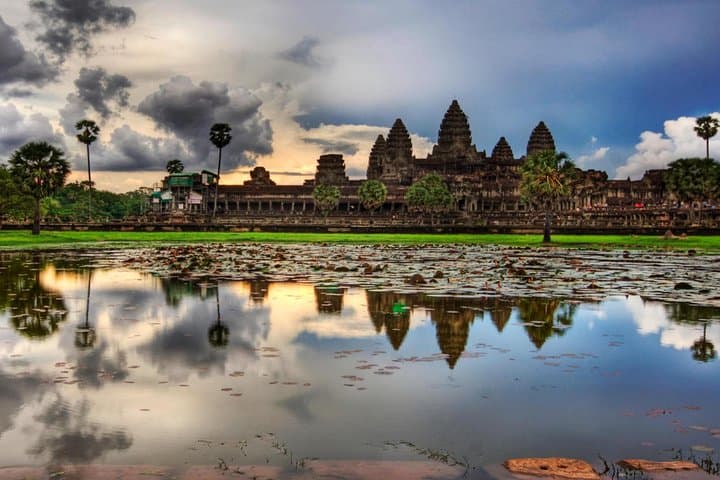
Sunrise light pours over the west face of Angkor Wat, gilding carved lintels and the shallow moat that still remembers river channels cut centuries ago. On this two-day private tour you move from carved sandstone galleries and faces of the Bayon to Ta Prohm’s roots, then out to Tonlé Sap where stilt houses sway as water levels rise and fall.
Verified experiences and guided adventures in the surrounding area.
Operated by Angkor Wat Travel Tour · Siem Reap, Siem Reap
Sunrise light pours over the west face of Angkor Wat, gilding carved lintels and the shallow moat that still remembers river channels cut centuries ago. On this two-day private tour you move from carved sandstone galleries and faces of the Bayon to Ta Prohm’s roots, then out to Tonlé Sap where stilt houses sway as water levels rise and fall.
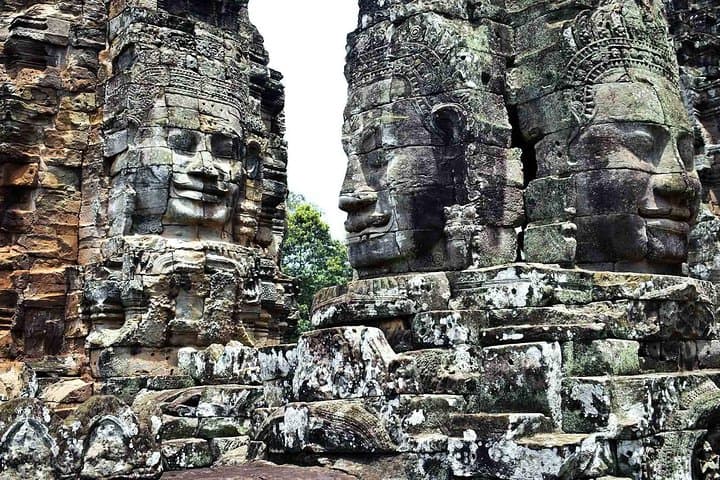
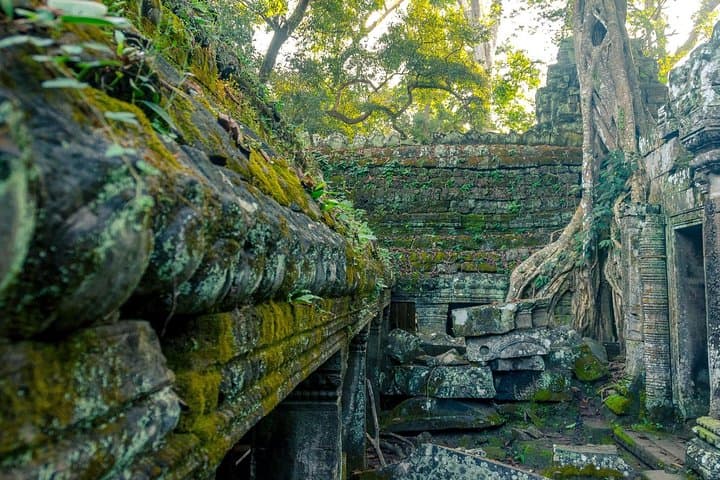
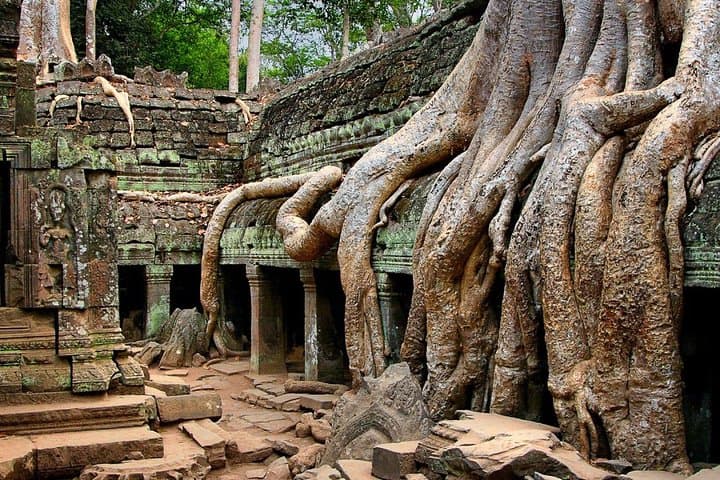
Angkor’s temples are sandstone and laterite monuments of the Khmer Empire, built between the 9th and 13th centuries, with Angkor Wat itself completed under King Suryavarman II in the early 12th century and dedicated to Vishnu. Bayon’s smiling faces and Ta Prohm’s living roots tell a cultural narrative of empire, religion, and reclamation by the jungle. Tonlé Sap is Southeast Asia’s largest freshwater lake; its annual flood pulse expands habitat and creates floating communities that adjust life to water’s rhythm.
Expect long but manageable days: guided walks across uneven stone, short climbs on steep temple steps, and a boat trip through mangrove channels around Kompong Phluk where fishermen, stilted homes, and floating schools form a working landscape. Practical notes: buy your Angkor Pass in advance, wear respectful, lightweight clothing that covers shoulders and knees, and bring sun protection and insect repellent. Plan mornings for major temples to avoid heat and crowds, and schedule the floating village during high water for best access. Cash is useful for markets and tips; choose a guide who practices sustainable etiquette—avoid feeding wildlife and minimize single-use plastics. This tour pairs architectural grandeur with living riverside culture, delivering both spectacle and close-up insight into contemporary Cambodian life.
moderate.
2 days (8–10 hours per day).
Suitable for travelers with basic fitness who can walk on uneven stone and handle several hours of sightseeing each day.
Yes—entry to Angkor Archaeological Park requires an Angkor Pass (1-, 3-, or 7-day). Your operator can advise where to buy it in Siem Reap before the tour.
Licensed operators provide life jackets and local knowledge; safety depends on water level and weather—follow your guide’s instructions and avoid travel during severe storms.
The tour is family-friendly but involves long days and uneven terrain; infants should sit on laps in vehicles per the operator’s policy and children should be supervised near water and temple drops.
Bring US dollars and small Cambodian riel for local purchases; many places accept cards in Siem Reap but cash is preferred in villages and markets.
Angkor was the heart of the Khmer Empire (9th–13th centuries); Angkor Wat was built in the early 12th century under King Suryavarman II and later adapted as a Buddhist site.
Tonlé Sap’s ecology relies on seasonal flooding but faces pressure from overfishing and development; favor local guides who support community-based tourism and avoid single-use plastics.
Angkor Wat Travel Tour operates guided outdoor trips and adventures with an emphasis on safety, stewardship, and memorable experiences.
Sunrise light pours over the west face of Angkor Wat, gilding carved lintels and the shallow moat that still remembers river channels cut centuries ago. On this two-day private tour you move from carved sandstone galleries and faces of the Bayon to Ta Prohm’s roots, then out to Tonlé Sap where stilt houses sway as water levels rise and fall.
Sunrise light pours over the west face of Angkor Wat, gilding carved lintels and the shallow moat that still remembers river channels cut centuries ago. On this two-day private tour you move from carved sandstone galleries and faces of the Bayon to Ta Prohm’s roots, then out to Tonlé Sap where stilt houses sway as water levels rise and fall.
Angkor’s temples are sandstone and laterite monuments of the Khmer Empire, built between the 9th and 13th centuries, with Angkor Wat itself completed under King Suryavarman II in the early 12th century and dedicated to Vishnu. Bayon’s smiling faces and Ta Prohm’s living roots tell a cultural narrative of empire, religion, and reclamation by the jungle. Tonlé Sap is Southeast Asia’s largest freshwater lake; its annual flood pulse expands habitat and creates floating communities that adjust life to water’s rhythm.
Expect long but manageable days: guided walks across uneven stone, short climbs on steep temple steps, and a boat trip through mangrove channels around Kompong Phluk where fishermen, stilted homes, and floating schools form a working landscape. Practical notes: buy your Angkor Pass in advance, wear respectful, lightweight clothing that covers shoulders and knees, and bring sun protection and insect repellent. Plan mornings for major temples to avoid heat and crowds, and schedule the floating village during high water for best access. Cash is useful for markets and tips; choose a guide who practices sustainable etiquette—avoid feeding wildlife and minimize single-use plastics. This tour pairs architectural grandeur with living riverside culture, delivering both spectacle and close-up insight into contemporary Cambodian life.