THE ADVENTURE COLLECTIVE® · Independent discovery and booking for outdoor travel

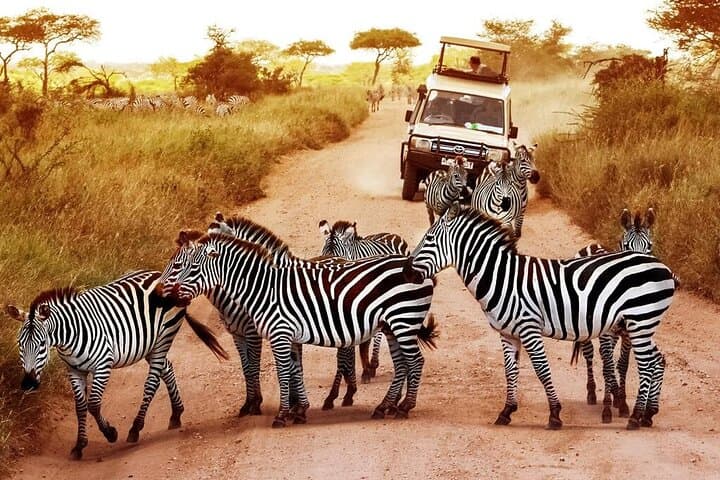
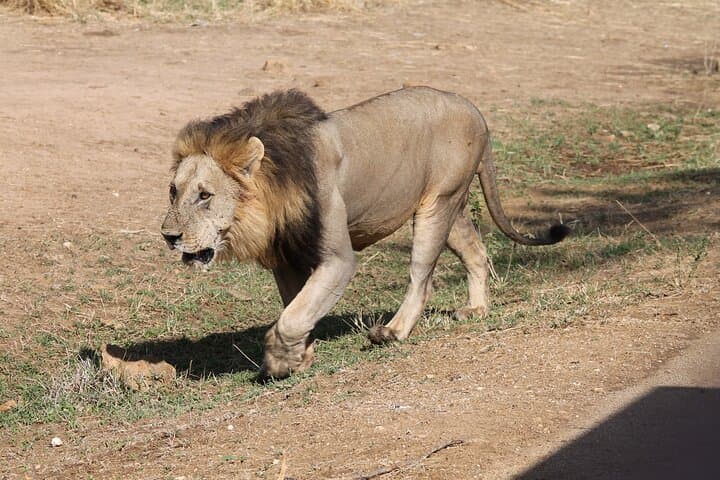
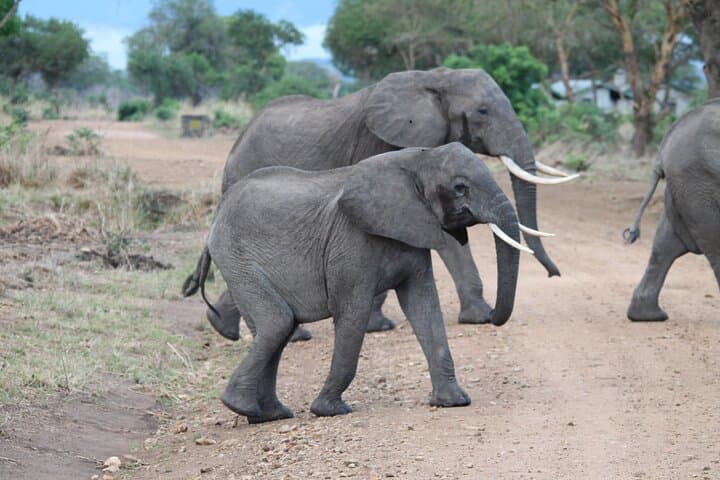
Drive from Dar es Salaam into the Uluguru foothills and spend two days tracking lions, elephants, and giraffes across Mikumi’s open floodplains. This private overnight safari pairs focused game drives with one night in a local lodge.
Drive from Dar es Salaam into the Uluguru foothills and spend two days tracking lions, elephants, and giraffes across Mikumi’s open floodplains. This private overnight safari pairs focused game drives with one night in a local lodge.
Dawn in Dar es Salaam feels humid and impatient; the van slips out of the city before sunrise, and the road opens into rolling farmland that climbs toward the Uluguru foothills. By lunchtime the Uluguru Mountains loom like a green wall, and by afternoon the landscape drops into Mikumi’s broad floodplains where acacia and baobab set the stage for grazing herds.
Verified experiences and guided adventures in the surrounding area.
Operated by Supreme Tanzania Safaris · Mikumi, Morogoro Region
Dawn in Dar es Salaam feels humid and impatient; the van slips out of the city before sunrise, and the road opens into rolling farmland that climbs toward the Uluguru foothills. By lunchtime the Uluguru Mountains loom like a green wall, and by afternoon the landscape drops into Mikumi’s broad floodplains where acacia and baobab set the stage for grazing herds.
Mikumi sits on low, sandy soils cut by the Mkata River and is ecologically tied to the greater Selous ecosystem. The park’s open miombo woodland and floodplain make wildlife visible and dramatic — giraffe necks appearing above the scrub, elephants moving like deliberate weather, and predators shadowing the edges of herds. Local towns such as Morogoro grew as agricultural hubs beneath the Ulugurus, and the route between Dar and Mikumi traces trade and colonial-era road projects that opened interior Tanzania to visitors.
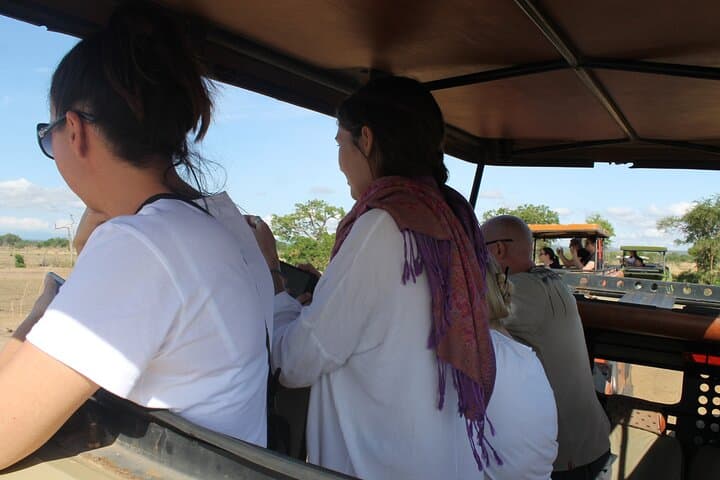
Expect two full days of game drives from a private vehicle, one night at a simple lodge or camp, and long stretches of road travel (roughly a 4–5 hour drive each way). Wildlife viewing concentrates in late afternoon and at first light, when animals are most active and light is best for photography. Practical points: bring binoculars and a camera with a 200–400mm equivalent, pack light layers for cool mornings, and carry water and motion-sickness remedies for the road. Follow ranger instructions on distances to animals, and prepare for dust and bumpy tracks — the savanna is lively, and it will demand patient, respectful attention.
easy.
2 days.
Suitable for most fitness levels; expect long vehicle rides and short, easy walks from the vehicle
Policies vary by operator — many private Mikumi tours include park fees in the total price, but confirm with the provider when you book.
Expect roughly a 4–5 hour drive each way depending on traffic and road conditions; the route passes Morogoro and the Uluguru foothills.
Typical packages include a one-night stay at a basic lodge or mid-level camp near the park boundary; amenities are comfortable but rustic.
No wildlife is guaranteed — Mikumi has good populations of elephants, giraffe, zebra and lion, but sightings depend on season, luck, and animal movements.
Mikumi forms part of the wider Selous-Mikumi ecological complex and has long been a corridor for migrating herbivores between coastal and inland habitats.
Support guides and operators who follow distance rules and avoid off-road driving; the park’s health depends on minimizing disturbance and vehicle pressure.
Supreme Tanzania Safaris operates guided outdoor trips and adventures with an emphasis on safety, stewardship, and memorable experiences.
Dawn in Dar es Salaam feels humid and impatient; the van slips out of the city before sunrise, and the road opens into rolling farmland that climbs toward the Uluguru foothills. By lunchtime the Uluguru Mountains loom like a green wall, and by afternoon the landscape drops into Mikumi’s broad floodplains where acacia and baobab set the stage for grazing herds.
Dawn in Dar es Salaam feels humid and impatient; the van slips out of the city before sunrise, and the road opens into rolling farmland that climbs toward the Uluguru foothills. By lunchtime the Uluguru Mountains loom like a green wall, and by afternoon the landscape drops into Mikumi’s broad floodplains where acacia and baobab set the stage for grazing herds.
Mikumi sits on low, sandy soils cut by the Mkata River and is ecologically tied to the greater Selous ecosystem. The park’s open miombo woodland and floodplain make wildlife visible and dramatic — giraffe necks appearing above the scrub, elephants moving like deliberate weather, and predators shadowing the edges of herds. Local towns such as Morogoro grew as agricultural hubs beneath the Ulugurus, and the route between Dar and Mikumi traces trade and colonial-era road projects that opened interior Tanzania to visitors.
Expect two full days of game drives from a private vehicle, one night at a simple lodge or camp, and long stretches of road travel (roughly a 4–5 hour drive each way). Wildlife viewing concentrates in late afternoon and at first light, when animals are most active and light is best for photography. Practical points: bring binoculars and a camera with a 200–400mm equivalent, pack light layers for cool mornings, and carry water and motion-sickness remedies for the road. Follow ranger instructions on distances to animals, and prepare for dust and bumpy tracks — the savanna is lively, and it will demand patient, respectful attention.