THE ADVENTURE COLLECTIVE® · Independent discovery and booking for outdoor travel

Two days of focused game drives take you from Tarangire’s baobab-scattered floodplains to the rim and floor of Ngorongoro Crater. Expect private jeep drives, a professional English-speaking guide, lodge stays, and concentrated chances to see the Big Five.
Two days of focused game drives take you from Tarangire’s baobab-scattered floodplains to the rim and floor of Ngorongoro Crater. Expect private jeep drives, a professional English-speaking guide, lodge stays, and concentrated chances to see the Big Five.
You leave Arusha at dawn, the road a ribbon of red dust and acacia silhouettes. The jeep hums, and the plains open — baobabs hold court along Tarangire's river corridors while elephants move like slow weather across the floodplain. By afternoon the sky flattens into a long, clean light that photographers prize.
Verified experiences and guided adventures in the surrounding area.
Operated by Africa Exhibition Safari Agency · Arusha, Arusha Region
You leave Arusha at dawn, the road a ribbon of red dust and acacia silhouettes. The jeep hums, and the plains open — baobabs hold court along Tarangire's river corridors while elephants move like slow weather across the floodplain. By afternoon the sky flattens into a long, clean light that photographers prize.
Tarangire is best known for its large elephant herds and distinctive baobab trees; the park's seasonal river shapes where animals concentrate. The next day you drop into Ngorongoro Crater, the largest intact volcanic caldera, a 20-kilometre bowl formed millions of years ago that acts like a natural enclosure for dense wildlife populations and even the endangered black rhino.
Maasai pastoral culture threads the margins of both parks — you’ll pass grazing cattle and be offered local insight by guides who explain grazing patterns, ecosystems and cultural land use.
Practically, expect early starts, full-day drives with picnic lunches, and lodge comfort each night. Vehicles are private with a professional English-speaking guide; game drives focus on sighting windows when animals are most active. Pack neutral clothing, layered warmth for crater-morning chills, sun protection, and a charged camera with spare batteries. Hydrate and be ready for unsealed roads and occasional dust.
Wildlife viewing is patient work: move slowly, listen for guide direction, and let the landscape reveal itself. This two-day loop delivers concentrated Big Five opportunities and compact, efficient exposure to two of northern Tanzania’s most iconic ecosystems.
easy.
2 days (full days in park, ~8–10 hours per day).
Minimal fitness required—participants should be able to climb in/out of a safari vehicle and tolerate long drives.
Ngorongoro crater admission is listed as included for day two in the itinerary; confirm with the operator whether Tarangire park fees are covered or collected locally.
Yes—infants can ride in a stroller on pickup and specialized infant seats are available, though they must sit on a lap during the drive.
Travelers should consult a travel clinic for recommended vaccinations and malaria prevention for northern Tanzania well before travel.
Walking is minimal—game viewing is primarily from the jeep; short, supervised walks near lodge areas may occur.
Ngorongoro Crater is an extinct volcanic caldera forged millions of years ago; the area is also home to Maasai communities who have grazed the highlands for generations.
Conservation in the Ngorongoro and Tarangire areas balances tourism revenue with protection of critical habitat; follow park rules, stay on roads, and avoid disturbing wildlife to minimize impact.
Africa Exhibition Safari Agency operates guided outdoor trips and adventures with an emphasis on safety, stewardship, and memorable experiences.
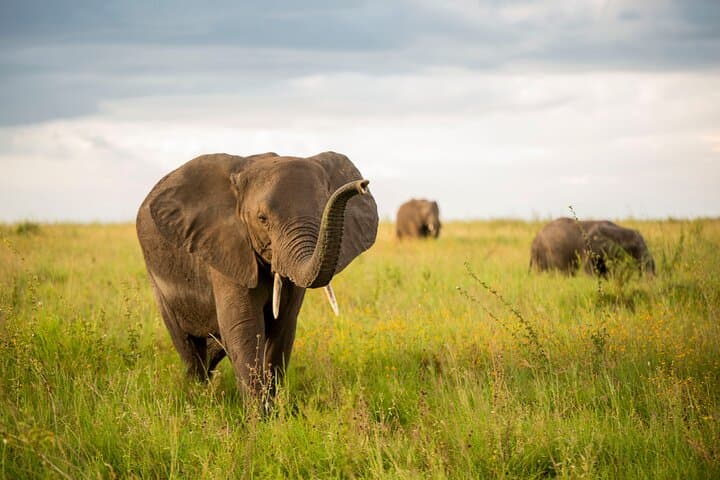


You leave Arusha at dawn, the road a ribbon of red dust and acacia silhouettes. The jeep hums, and the plains open — baobabs hold court along Tarangire's river corridors while elephants move like slow weather across the floodplain. By afternoon the sky flattens into a long, clean light that photographers prize.
You leave Arusha at dawn, the road a ribbon of red dust and acacia silhouettes. The jeep hums, and the plains open — baobabs hold court along Tarangire's river corridors while elephants move like slow weather across the floodplain. By afternoon the sky flattens into a long, clean light that photographers prize.
Tarangire is best known for its large elephant herds and distinctive baobab trees; the park's seasonal river shapes where animals concentrate. The next day you drop into Ngorongoro Crater, the largest intact volcanic caldera, a 20-kilometre bowl formed millions of years ago that acts like a natural enclosure for dense wildlife populations and even the endangered black rhino.
Maasai pastoral culture threads the margins of both parks — you’ll pass grazing cattle and be offered local insight by guides who explain grazing patterns, ecosystems and cultural land use.
Practically, expect early starts, full-day drives with picnic lunches, and lodge comfort each night. Vehicles are private with a professional English-speaking guide; game drives focus on sighting windows when animals are most active. Pack neutral clothing, layered warmth for crater-morning chills, sun protection, and a charged camera with spare batteries. Hydrate and be ready for unsealed roads and occasional dust.
Wildlife viewing is patient work: move slowly, listen for guide direction, and let the landscape reveal itself. This two-day loop delivers concentrated Big Five opportunities and compact, efficient exposure to two of northern Tanzania’s most iconic ecosystems.