THE ADVENTURE COLLECTIVE® · Independent discovery and booking for outdoor travel

Take a relaxed, private two-day rail journey from Cusco to Machu Picchu with an overnight in Aguas Calientes. Combine a scenic train ride, a guided morning tour of the citadel, and free time to explore the terraces and cloud forest.
Take a relaxed, private two-day rail journey from Cusco to Machu Picchu with an overnight in Aguas Calientes. Combine a scenic train ride, a guided morning tour of the citadel, and free time to explore the terraces and cloud forest.
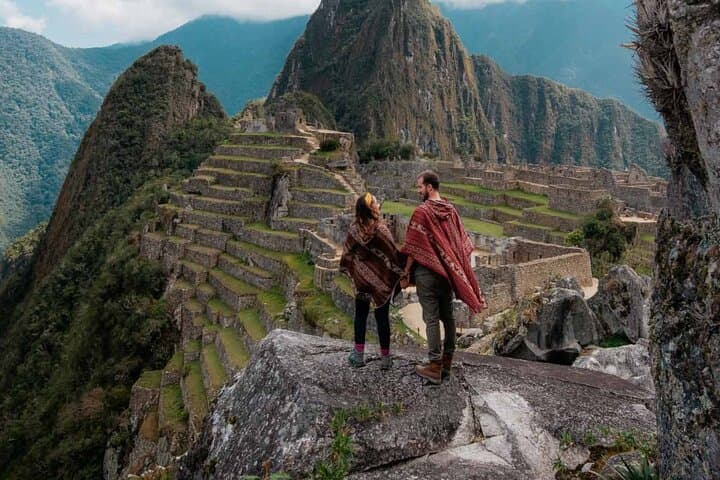
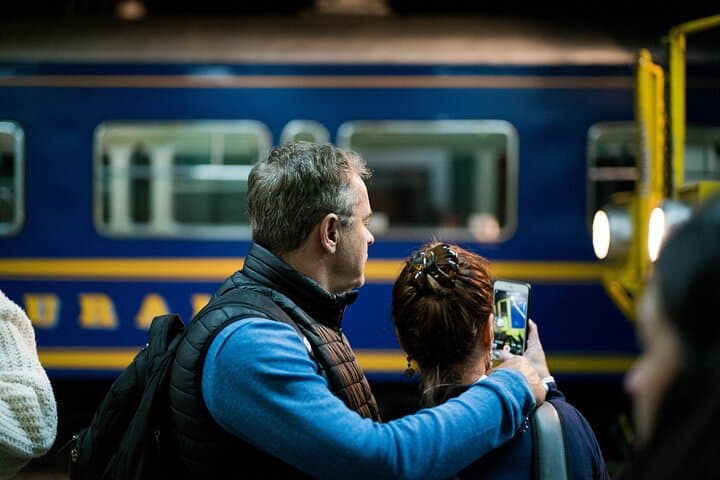
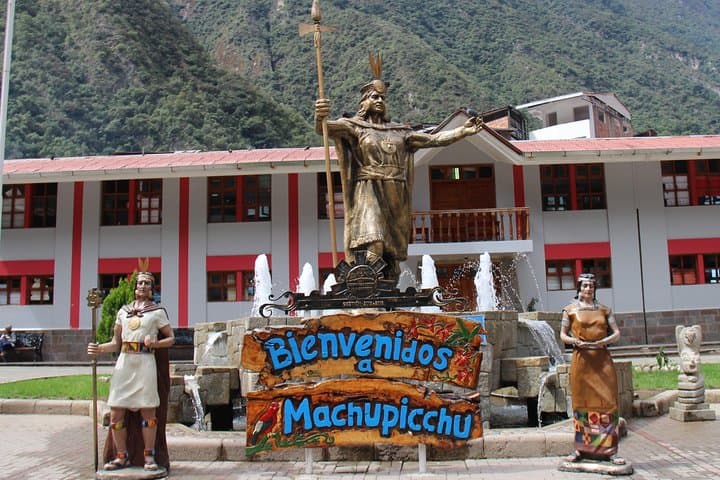
A predawn train slides out of the Sacred Valley and the canyon exhales — fog lifts from the Urubamba River, terraces rise like carved steps and the Andes bring the air to life. By late morning the train deposits travelers in Aguas Calientes, a compact mountain town that feels built for returning pilgrims. After a night near the river, an early bus climbs switchbacks and delivers you to stone terraces and stairways that have watched centuries pass.
Verified experiences and guided adventures in the surrounding area.
Operated by Valencia Travel Agency S.a.c. · Aguas Calientes (Machu Picchu Pueblo), Cusco
A predawn train slides out of the Sacred Valley and the canyon exhales — fog lifts from the Urubamba River, terraces rise like carved steps and the Andes bring the air to life. By late morning the train deposits travelers in Aguas Calientes, a compact mountain town that feels built for returning pilgrims. After a night near the river, an early bus climbs switchbacks and delivers you to stone terraces and stairways that have watched centuries pass.
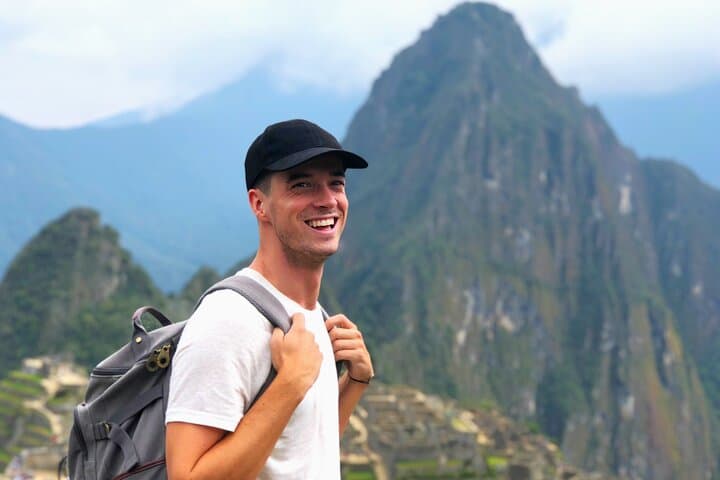
Machu Picchu was an elite Inca citadel, likely built in the 15th century and re-emerging in public consciousness after Hiram Bingham’s 1911 expedition. The site sits on a granite spine above the cloud forest; glacial action and river incision shaped the deep valley that makes the citadel dramatic and defensible. Local Quechua culture remains present in markets and craft stalls in Cusco and Aguas Calientes, and small museums in town help frame what you see on the stone ramps.
Practically, this itinerary spreads the approach over two days: train through the Sacred Valley, overnight in Aguas Calientes, and an early ascent to Machu Picchu for a guided 2-hour circuit before free time. Expect uneven stone steps, cool mornings with rapid sun exposure, and crowds rising with the terraces. Bring layered clothing for sharp temperature swings, sturdy shoes with good grip for wet stones, and time your visit for first light to avoid peak crowds. If you hope to climb Huayna Picchu, reserve that ticket well in advance. The route is accessible to most fit travelers but altitude and steep steps reward patient pacing.
easy.
2 days.
Suitable for travelers in good general health; must be able to climb uneven stone steps and walk for 2–4 hours at altitude.
Typical train time is about 3.5 to 4 hours through the Sacred Valley, depending on departure point and service.
Yes — Cusco sits above 3,300 m (10,800 ft). Spend 24–48 hours in Cusco, hydrate and avoid heavy exertion to reduce altitude effects.
Yes, entrance to Machu Picchu is included in this private tour, but extra climbs like Huayna Picchu require separate tickets and advance notice.
Pickup is typically arranged from Cusco hotels and train stations such as Ollantaytambo or Poroy depending on availability; confirm pickup details with the operator.
Machu Picchu was likely constructed in the mid-15th century under Pachacuti and later reconnected to global awareness after early 20th-century explorations.
Visitor numbers and timed entrances help limit wear; follow marked paths, avoid touching structures, and skip drones or single-use plastics to reduce impact.
Valencia Travel Agency S.a.c. operates guided outdoor trips and adventures with an emphasis on safety, stewardship, and memorable experiences.
A predawn train slides out of the Sacred Valley and the canyon exhales — fog lifts from the Urubamba River, terraces rise like carved steps and the Andes bring the air to life. By late morning the train deposits travelers in Aguas Calientes, a compact mountain town that feels built for returning pilgrims. After a night near the river, an early bus climbs switchbacks and delivers you to stone terraces and stairways that have watched centuries pass.
A predawn train slides out of the Sacred Valley and the canyon exhales — fog lifts from the Urubamba River, terraces rise like carved steps and the Andes bring the air to life. By late morning the train deposits travelers in Aguas Calientes, a compact mountain town that feels built for returning pilgrims. After a night near the river, an early bus climbs switchbacks and delivers you to stone terraces and stairways that have watched centuries pass.
Machu Picchu was an elite Inca citadel, likely built in the 15th century and re-emerging in public consciousness after Hiram Bingham’s 1911 expedition. The site sits on a granite spine above the cloud forest; glacial action and river incision shaped the deep valley that makes the citadel dramatic and defensible. Local Quechua culture remains present in markets and craft stalls in Cusco and Aguas Calientes, and small museums in town help frame what you see on the stone ramps.
Practically, this itinerary spreads the approach over two days: train through the Sacred Valley, overnight in Aguas Calientes, and an early ascent to Machu Picchu for a guided 2-hour circuit before free time. Expect uneven stone steps, cool mornings with rapid sun exposure, and crowds rising with the terraces. Bring layered clothing for sharp temperature swings, sturdy shoes with good grip for wet stones, and time your visit for first light to avoid peak crowds. If you hope to climb Huayna Picchu, reserve that ticket well in advance. The route is accessible to most fit travelers but altitude and steep steps reward patient pacing.