THE ADVENTURE COLLECTIVE® · Independent discovery and booking for outdoor travel

A compact, guided two-day itinerary blending a short Inca Trail hike, Chinchero’s weaving traditions and the full Machu Picchu experience. Ideal for travelers who want cultural depth and accessible hiking with private transfers and train travel included.
A compact, guided two-day itinerary blending a short Inca Trail hike, Chinchero’s weaving traditions and the full Machu Picchu experience. Ideal for travelers who want cultural depth and accessible hiking with private transfers and train travel included.
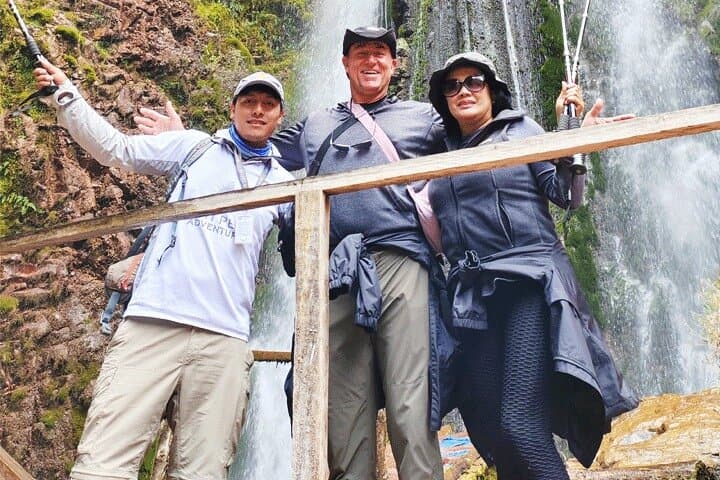
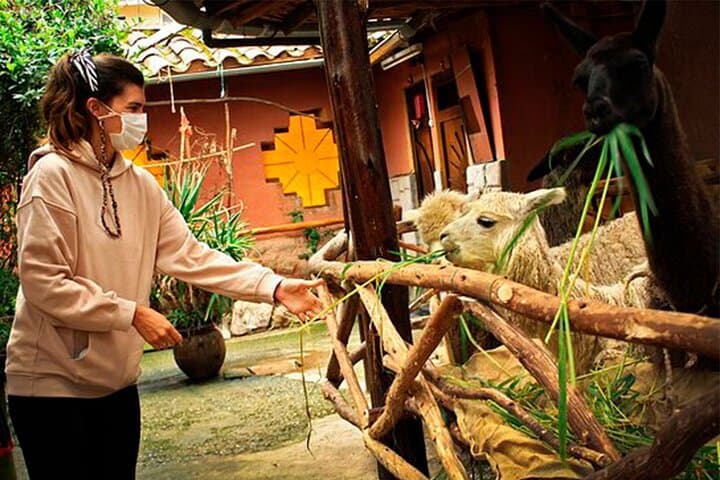
Pre-dawn mist lifts off the Urubamba as a private vehicle threads up from Cusco toward Chinchero. The first day opens on original Inca stonework and highland air—an introduction of wind, adobe walls, and the measured rhythm of Andean weaving. Hikers follow a short stretch of the Inca Trail, descending along ancient paved steps with Veronica and the Vilcanota ridge watching from across the valley. A detour to Poc Poc waterfalls offers a cool pause; water dares you to step closer while terraces and cultivated fields stretch below.
Verified experiences and guided adventures in the surrounding area.
Operated by Inti Peru Adventures · Cusco, Cusco
Pre-dawn mist lifts off the Urubamba as a private vehicle threads up from Cusco toward Chinchero. The first day opens on original Inca stonework and highland air—an introduction of wind, adobe walls, and the measured rhythm of Andean weaving. Hikers follow a short stretch of the Inca Trail, descending along ancient paved steps with Veronica and the Vilcanota ridge watching from across the valley. A detour to Poc Poc waterfalls offers a cool pause; water dares you to step closer while terraces and cultivated fields stretch below.
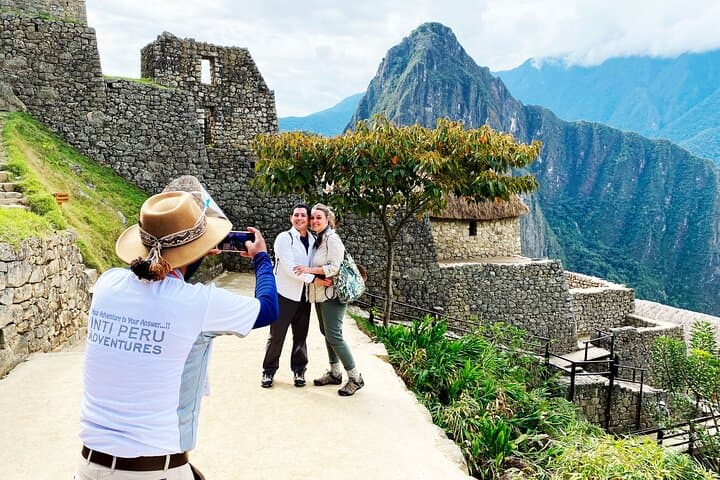
The itinerary ties culture to geology: terraced fields cut into volcanic and glacially sculpted slopes, colonial churches layered over Inca plazas, and weavers still dyeing wool with mineral and plant pigments. On day two, a train ride to Aguas Calientes narrows the world to river, gorge, and dense cloud forest before the citadel appears above the mist. Machu Picchu’s stone urbanism, plazas, and agricultural zones reveal 15th-century Inca planning and a landscape shaped by tectonics and glacial carving.
Practically, expect early starts, uneven steps, and altitude that changes how you breathe and move. The guided Machu Picchu tour runs 2–3 hours; the Inca Trail segment is roughly 3 hours and mostly downhill. Bring layered clothing, sun protection, and a sense of patience for trains and regulated entry times. Guides handle permits, trains, and logistics—so you can focus on the trail, the waterfalls, and the slow, unmistakable pull of Pachamama.
moderate.
2 days.
Good baseline fitness recommended; able to walk 3–4 hours on uneven terrain and tolerate high altitude.
This short, one-day downhill segment uses original Inca path but not the full multi-day Inca Trail; the operator handles required entry and Machu Picchu tickets.
The trail section is about 3 hours and mostly downhill over stone steps—manageable for most but expect steep stretches and uneven surfaces.
Cusco sits above 3,300 m; altitude can cause breathlessness and headache — allow time to acclimatize and carry water and medication if needed.
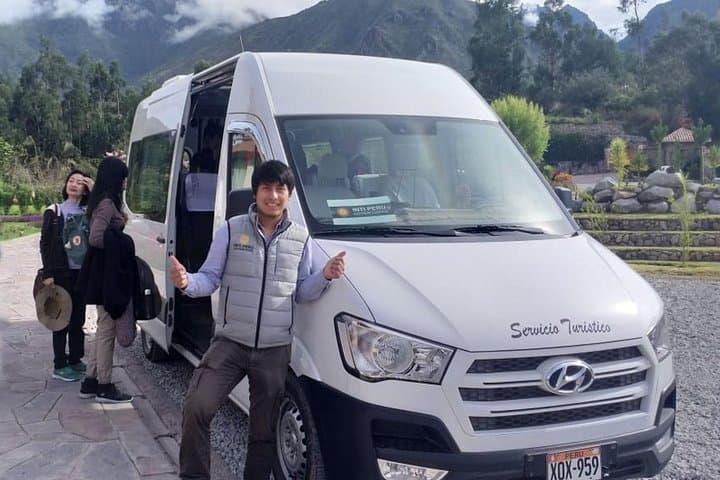
Round-trip train to Aguas Calientes (Inca Rail or Peru Rail service) plus private vehicle transfers are included as stated in the itinerary.
Machu Picchu is a 15th-century Inca site attributed to Pachacuti; nearby terraces and settlements in the Sacred Valley show centuries of agricultural innovation.
Visitor limits and regulated entry times help protect fragile stonework and paths—stay on marked routes, pack out waste, and respect local community areas.
Inti Peru Adventures operates guided outdoor trips and adventures with an emphasis on safety, stewardship, and memorable experiences.
Pre-dawn mist lifts off the Urubamba as a private vehicle threads up from Cusco toward Chinchero. The first day opens on original Inca stonework and highland air—an introduction of wind, adobe walls, and the measured rhythm of Andean weaving. Hikers follow a short stretch of the Inca Trail, descending along ancient paved steps with Veronica and the Vilcanota ridge watching from across the valley. A detour to Poc Poc waterfalls offers a cool pause; water dares you to step closer while terraces and cultivated fields stretch below.
Pre-dawn mist lifts off the Urubamba as a private vehicle threads up from Cusco toward Chinchero. The first day opens on original Inca stonework and highland air—an introduction of wind, adobe walls, and the measured rhythm of Andean weaving. Hikers follow a short stretch of the Inca Trail, descending along ancient paved steps with Veronica and the Vilcanota ridge watching from across the valley. A detour to Poc Poc waterfalls offers a cool pause; water dares you to step closer while terraces and cultivated fields stretch below.
The itinerary ties culture to geology: terraced fields cut into volcanic and glacially sculpted slopes, colonial churches layered over Inca plazas, and weavers still dyeing wool with mineral and plant pigments. On day two, a train ride to Aguas Calientes narrows the world to river, gorge, and dense cloud forest before the citadel appears above the mist. Machu Picchu’s stone urbanism, plazas, and agricultural zones reveal 15th-century Inca planning and a landscape shaped by tectonics and glacial carving.
Practically, expect early starts, uneven steps, and altitude that changes how you breathe and move. The guided Machu Picchu tour runs 2–3 hours; the Inca Trail segment is roughly 3 hours and mostly downhill. Bring layered clothing, sun protection, and a sense of patience for trains and regulated entry times. Guides handle permits, trains, and logistics—so you can focus on the trail, the waterfalls, and the slow, unmistakable pull of Pachamama.