THE ADVENTURE COLLECTIVE® · Independent discovery and booking for outdoor travel

Spend two days with a private Egyptologist exploring Luxor’s West and East Banks—Valley of the Kings, Hatshepsut’s temple, Karnak and a felucca sunset on the Nile. This private itinerary pairs archaeological depth with comfortable logistics.
Spend two days with a private Egyptologist exploring Luxor’s West and East Banks—Valley of the Kings, Hatshepsut’s temple, Karnak and a felucca sunset on the Nile. This private itinerary pairs archaeological depth with comfortable logistics.
The sun slants across the Nile and the stone of Thebes warms underfoot: on day one a private Egyptologist leads you through the hushed courtyards of mortuary temples and the carved mouths of royal tombs, while day two opens onto colonnaded avenues and museum galleries that hold fragments of a lost city.
Verified experiences and guided adventures in the surrounding area.
Operated by Egypt Private Trips · Luxor, Luxor Governorate
The sun slants across the Nile and the stone of Thebes warms underfoot: on day one a private Egyptologist leads you through the hushed courtyards of mortuary temples and the carved mouths of royal tombs, while day two opens onto colonnaded avenues and museum galleries that hold fragments of a lost city.
Luxor occupies the ruins of ancient Thebes, capital of Egypt’s New Kingdom; its limestone cliffs, alluvial plains and the slow sweep of the Nile shaped royal burial choices and temple placement for millennia. Visitors move from arid necropolis slopes on the West Bank to the dense, columned forests of Karnak on the East Bank, passing sites where pharaohs staged power and priests staged ritual. There’s a cultural rhythm here—market sellers, mosque calls, and the steady boat traffic on the river—that frames the antiquities without overwhelming them.
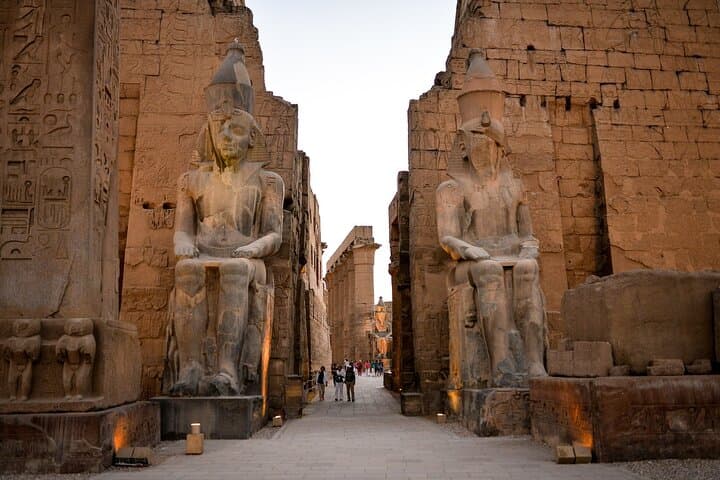
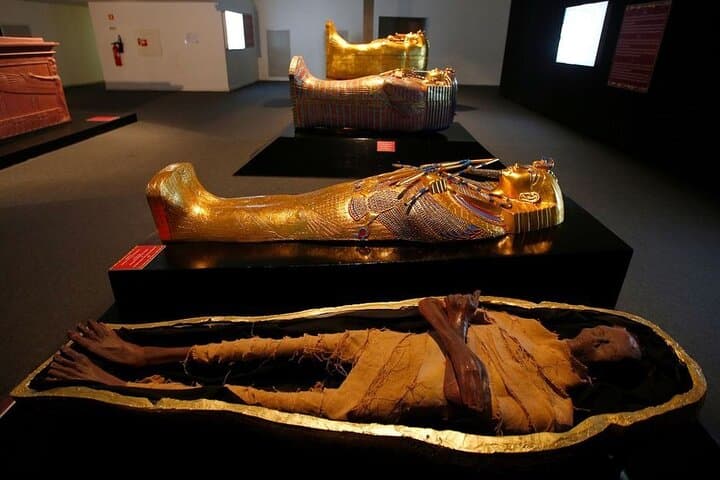
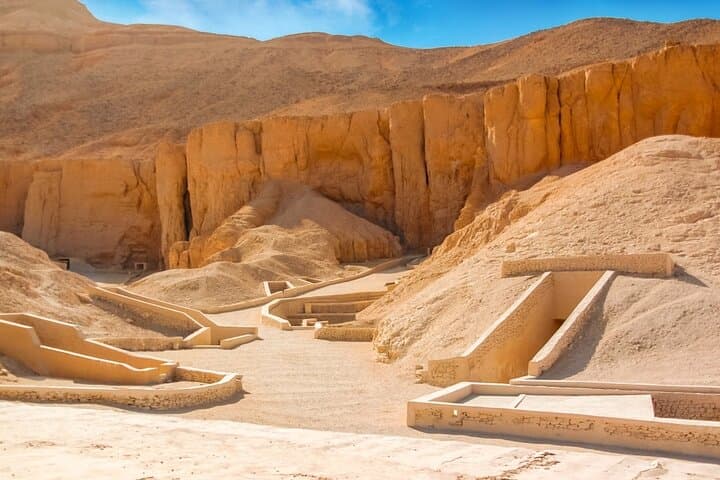
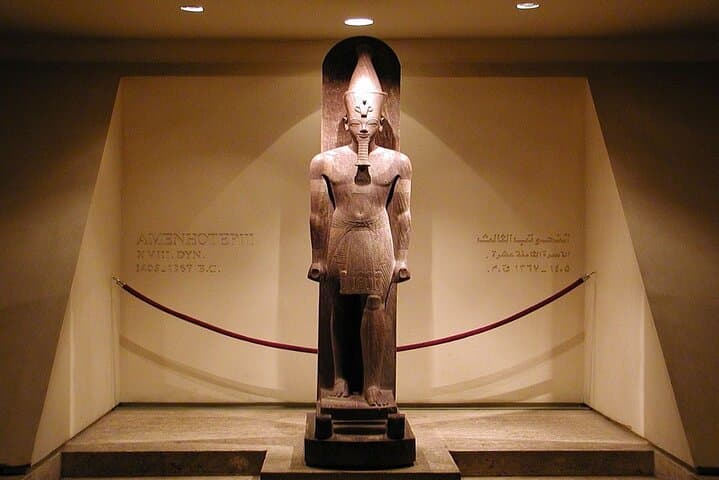
Expect guided visits to the Valley of the Kings, Hatshepsut’s temple, Medinat Habu, Luxor and Karnak Temples, plus the Luxor and Mummification Museums. Evenings can include a felucca sunset on the Nile—wind and water shaping the light as mudbrick silhouettes hold their stories.
Practical notes: travel in light, breathable clothing and a sun hat; bring cash for tips and small purchases; wear closed shoes for uneven tomb steps; plan visits early or late in the day to avoid peak heat. Most sites require modest dress and low-impact behavior—no flash photography inside sensitive tombs—and the private guide handles tickets and transfers, keeping the focus on discovery rather than logistics.
easy.
2 days (approx. 8–10 hours/day).
Light walking ability; comfortable on uneven ground and stairs but no sustained fitness required
Most major site admission fees are included in the private tour package; confirm with the operator for any optional extras.
Full refund if cancelled at least 24 hours before departure; later cancellations are typically non-refundable—check your booking confirmation for specifics.
Yes—tour notes indicate it’s suitable for all fitness levels; infants usually sit on an adult’s lap and family-friendly pacing is possible.
Tipping is customary; plan modest cash tips for guide and driver at the end of each day based on service quality.
Luxor sits on the site of ancient Thebes, the political and religious center of Egypt’s New Kingdom (c. 1550–1070 BCE), where pharaohs built temples and buried royalty in the nearby necropolis.
High visitor numbers and environmental wear put pressure on fragile stone and painted interiors—stick to paths, avoid touching reliefs, and follow guide instructions to help preserve sites.
Egypt Private Trips operates guided outdoor trips and adventures with an emphasis on safety, stewardship, and memorable experiences.
The sun slants across the Nile and the stone of Thebes warms underfoot: on day one a private Egyptologist leads you through the hushed courtyards of mortuary temples and the carved mouths of royal tombs, while day two opens onto colonnaded avenues and museum galleries that hold fragments of a lost city.
The sun slants across the Nile and the stone of Thebes warms underfoot: on day one a private Egyptologist leads you through the hushed courtyards of mortuary temples and the carved mouths of royal tombs, while day two opens onto colonnaded avenues and museum galleries that hold fragments of a lost city.
Luxor occupies the ruins of ancient Thebes, capital of Egypt’s New Kingdom; its limestone cliffs, alluvial plains and the slow sweep of the Nile shaped royal burial choices and temple placement for millennia. Visitors move from arid necropolis slopes on the West Bank to the dense, columned forests of Karnak on the East Bank, passing sites where pharaohs staged power and priests staged ritual. There’s a cultural rhythm here—market sellers, mosque calls, and the steady boat traffic on the river—that frames the antiquities without overwhelming them.
Expect guided visits to the Valley of the Kings, Hatshepsut’s temple, Medinat Habu, Luxor and Karnak Temples, plus the Luxor and Mummification Museums. Evenings can include a felucca sunset on the Nile—wind and water shaping the light as mudbrick silhouettes hold their stories.
Practical notes: travel in light, breathable clothing and a sun hat; bring cash for tips and small purchases; wear closed shoes for uneven tomb steps; plan visits early or late in the day to avoid peak heat. Most sites require modest dress and low-impact behavior—no flash photography inside sensitive tombs—and the private guide handles tickets and transfers, keeping the focus on discovery rather than logistics.