THE ADVENTURE COLLECTIVE® · Independent discovery and booking for outdoor travel

See Luxor’s tombs, Karnak’s columned halls and Cairo’s pyramids in a focused private two-day itinerary from Hurghada. Expect long transfers, early starts, and curated access to Egypt’s most iconic sites with a local Egyptologist guide.
See Luxor’s tombs, Karnak’s columned halls and Cairo’s pyramids in a focused private two-day itinerary from Hurghada. Expect long transfers, early starts, and curated access to Egypt’s most iconic sites with a local Egyptologist guide.
Morning in Hurghada begins with the sea still dark and the desert air cool, as a private vehicle slips away toward ancient stones. In two compact days this tour stitches the high drama of Giza’s plateau with the carved corridors of Luxor: a sunrise walk through the Valley of the Kings, the pillared forest of Karnak, a quiet felucca glide on the Nile, then the monumental silhouette of the Pyramids and the Sphinx under Cairo’s wide sky.
Verified experiences and guided adventures in the surrounding area.
Operated by Egypt Sunny Tours · Hurghada, Red Sea Governorate
Morning in Hurghada begins with the sea still dark and the desert air cool, as a private vehicle slips away toward ancient stones. In two compact days this tour stitches the high drama of Giza’s plateau with the carved corridors of Luxor: a sunrise walk through the Valley of the Kings, the pillared forest of Karnak, a quiet felucca glide on the Nile, then the monumental silhouette of the Pyramids and the Sphinx under Cairo’s wide sky.
The Nile Valley’s geology — a narrow fertile ribbon between arid plateaus — concentrated millennia of human activity. Luxor was once Thebes, capital of New Kingdom pharaohs; Cairo rose later as a medieval and Ottoman hub layered atop Pharaonic remains. Visitors move from painted royal tombs with low, cool chambers to open, columned temple courts hewn from sandstone and mudstone; the cultural rhythm is heavy on ritual architecture, carved reliefs, and market life.
Practical guidance: expect long transfers (Hurghada to Luxor ≈290 km by road; Luxor–Cairo is typically handled by domestic flight or a longer road leg). Walks involve uneven flagstones and steps—sturdy, closed shoes and sun protection are essential. Tombs restrict flash photography and can be humid; bring a refillable water bottle and small daypack for cameras and layers. Timing matters: aim for early visits to avoid peak heat and crowds, and budget time for airport or road transfers. The private guide provided handles entrance logistics and cultural context, but travelers should carry passports, modest clothing for temple and mosque visits, and modest tipping for staff.
easy.
2 days.
Suitable for travelers in average shape; requires walking on uneven surfaces and coping with long transfer periods.
Road transfer Hurghada–Luxor is roughly 4–5 hours (≈290 km); Luxor–Cairo is commonly handled by a short domestic flight or a longer 8–10 hour drive—this itinerary schedules transfers to maximize sightseeing time.
Yes—entrance fees listed in the itinerary (Valley of the Kings, Karnak, Giza sites, and museum entries) are included as part of the tour package.
The tour notes wheelchair accessibility for certain areas and vehicle transfers, but many ancient sites have uneven stone, stairs, and tight tomb passages—contact the operator to confirm specific accessibility needs.
Travelers require a valid passport; many nationalities obtain a tourist visa on arrival or online—check Egypt’s visa rules for your nationality and ensure passport validity meets entry requirements.
This corridor of the Nile concentrated pharaonic power; Luxor (ancient Thebes) and Cairo (later political center) preserve layers of millennia-old ritual architecture and artifacts.
Visitor pressure accelerates wear on pigments and fragile tomb surfaces—follow guide rules, avoid flash photography, and use refillable bottles to reduce plastic waste.
Egypt Sunny Tours operates guided outdoor trips and adventures with an emphasis on safety, stewardship, and memorable experiences.
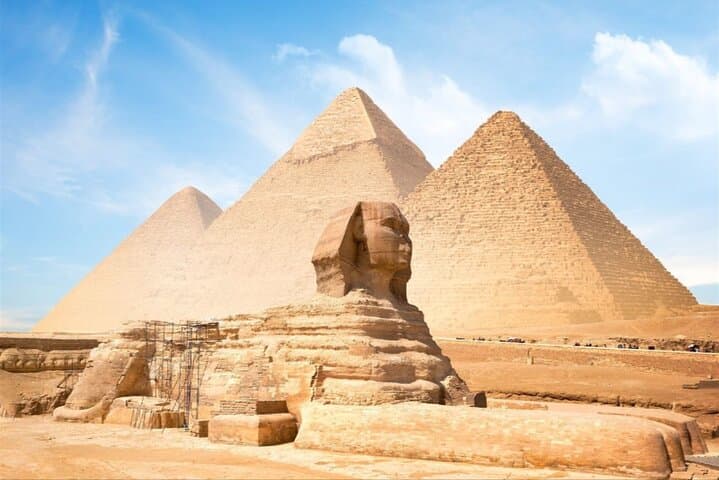
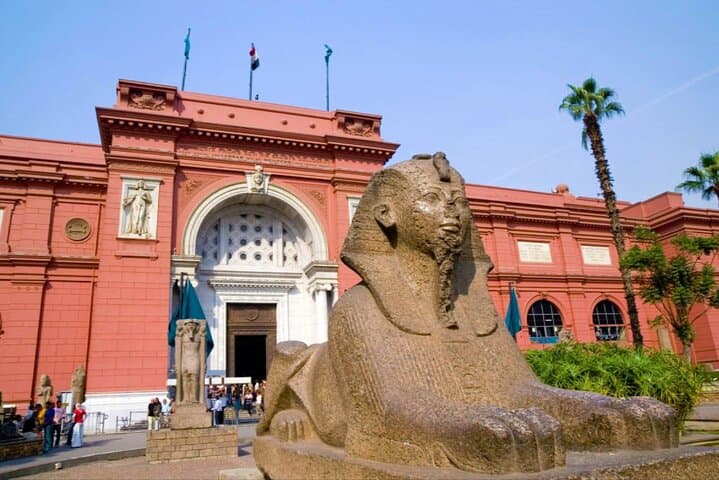
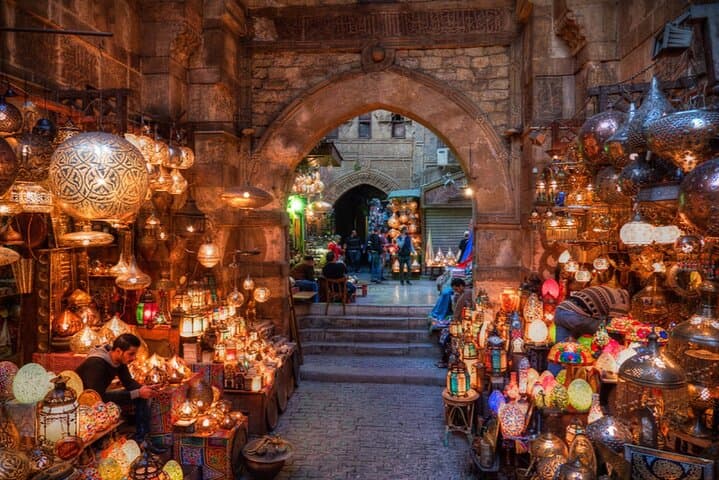
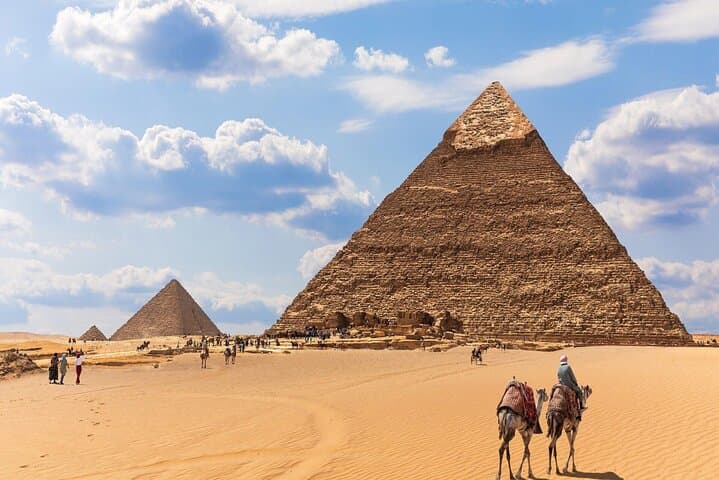
Morning in Hurghada begins with the sea still dark and the desert air cool, as a private vehicle slips away toward ancient stones. In two compact days this tour stitches the high drama of Giza’s plateau with the carved corridors of Luxor: a sunrise walk through the Valley of the Kings, the pillared forest of Karnak, a quiet felucca glide on the Nile, then the monumental silhouette of the Pyramids and the Sphinx under Cairo’s wide sky.
Morning in Hurghada begins with the sea still dark and the desert air cool, as a private vehicle slips away toward ancient stones. In two compact days this tour stitches the high drama of Giza’s plateau with the carved corridors of Luxor: a sunrise walk through the Valley of the Kings, the pillared forest of Karnak, a quiet felucca glide on the Nile, then the monumental silhouette of the Pyramids and the Sphinx under Cairo’s wide sky.
The Nile Valley’s geology — a narrow fertile ribbon between arid plateaus — concentrated millennia of human activity. Luxor was once Thebes, capital of New Kingdom pharaohs; Cairo rose later as a medieval and Ottoman hub layered atop Pharaonic remains. Visitors move from painted royal tombs with low, cool chambers to open, columned temple courts hewn from sandstone and mudstone; the cultural rhythm is heavy on ritual architecture, carved reliefs, and market life.
Practical guidance: expect long transfers (Hurghada to Luxor ≈290 km by road; Luxor–Cairo is typically handled by domestic flight or a longer road leg). Walks involve uneven flagstones and steps—sturdy, closed shoes and sun protection are essential. Tombs restrict flash photography and can be humid; bring a refillable water bottle and small daypack for cameras and layers. Timing matters: aim for early visits to avoid peak heat and crowds, and budget time for airport or road transfers. The private guide provided handles entrance logistics and cultural context, but travelers should carry passports, modest clothing for temple and mosque visits, and modest tipping for staff.