THE ADVENTURE COLLECTIVE® · Independent discovery and booking for outdoor travel

Explore four UNESCO heritage sites across Kathmandu Valley and finish with a Himalayan sunrise at Nagarkot. This private two-day tour combines city squares, sacred temples, and ridge-top views with hotel pickup and an English-speaking guide.
Explore four UNESCO heritage sites across Kathmandu Valley and finish with a Himalayan sunrise at Nagarkot. This private two-day tour combines city squares, sacred temples, and ridge-top views with hotel pickup and an English-speaking guide.
You step out of an air-conditioned vehicle into a city that keeps history in its courtyards and smoke in its skyline. On day one the hilltop Swayambhunath watches over Kathmandu—monkeys moving like punctuation across ancient stupa terraces—while Boudhanath’s giant mandala draws spinning prayer wheels and saffron-robed pilgrims. Pashupatinath sits in contrast: a riverside Hindu complex where ritual and life are visible and uncompromising.
Verified experiences and guided adventures in the surrounding area.
Operated by Premier Adventure & Holidays · Kathmandu, Bagmati Province
You step out of an air-conditioned vehicle into a city that keeps history in its courtyards and smoke in its skyline. On day one the hilltop Swayambhunath watches over Kathmandu—monkeys moving like punctuation across ancient stupa terraces—while Boudhanath’s giant mandala draws spinning prayer wheels and saffron-robed pilgrims. Pashupatinath sits in contrast: a riverside Hindu complex where ritual and life are visible and uncompromising.
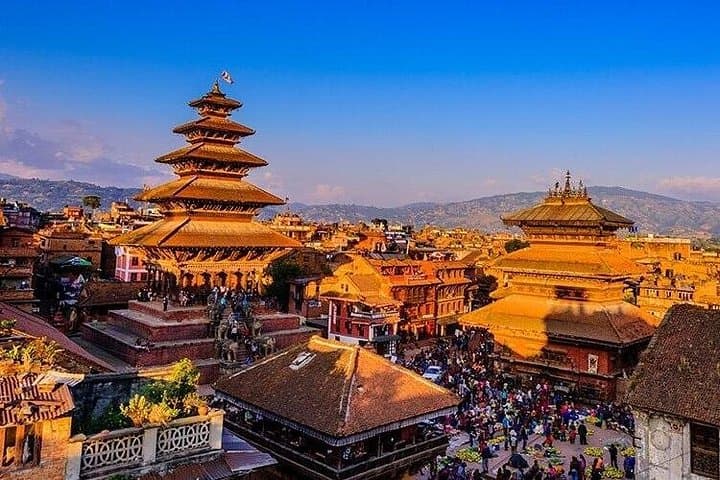
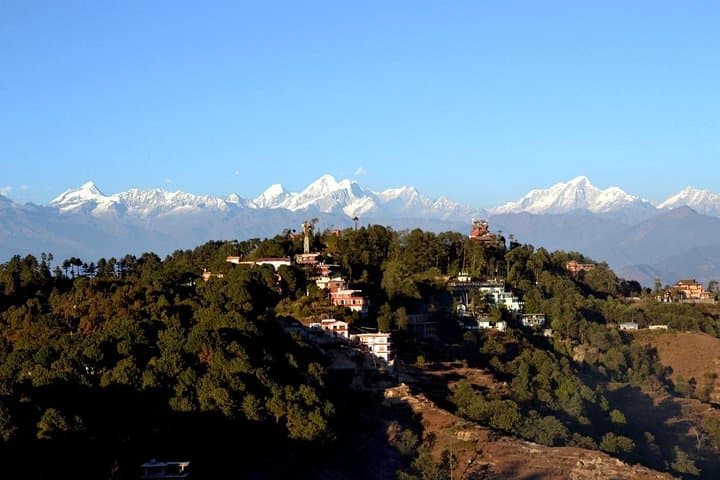
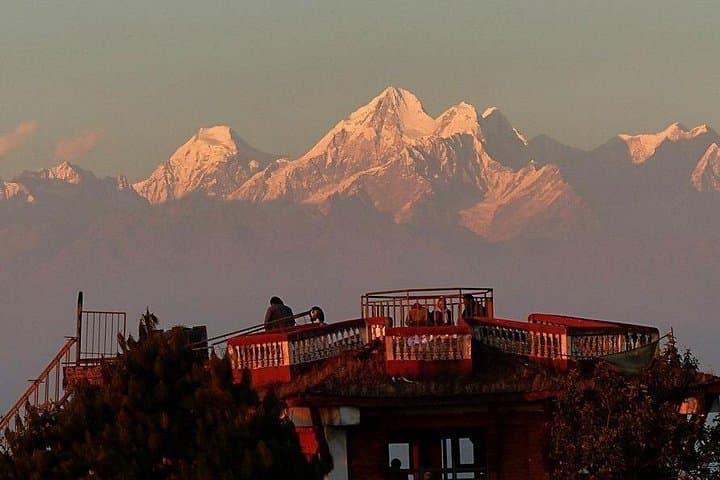
Kathmandu Valley is the core of the Newar kingdoms, a compact archive of brick-and-wood architecture shaped by centuries of trade, patronage, and seismic events. Patan and Bhaktapur Durbar Squares preserve carved windows, palace courtyards, and pottery workshops that trace artisan traditions back to medieval city-states. Geologically, the valley is a high basin at roughly 1,350–1,400 m; Nagarkot climbs the rim to about 2,195 m, giving unobstructed Himalayan panoramas and dramatic sunrise light.
Expect urban walking on uneven stone, narrow lanes that open into crowded plazas, and short stair climbs at temple sites. The second day’s drive east to Bhaktapur and Nagarkot is short in distance but a reminder of shifting microclimates: cooler, clearer air at the ridge makes sunrise worth the early alarm. Practicalities: modest dress for temples, cash for entrance fees and local purchases, comfortable shoes for cobbled courtyards, and a flexible schedule—traffic and crowds shape timing. With a private vehicle, an English-speaking guide, and hotel pickup, the tour is tailored and accessible, giving concentrated access to the valley’s cultural high points and a Himalayan morning you can plan around.
easy.
2 days (full days; ~8–10 hours per day).
Suitable for most fitness levels; you should be comfortable walking 2–4 hours across uneven urban terrain each day.
Entrance fees to UNESCO sites and meals are typically not included unless specified; bring cash for admissions and food purchases.
Yes — the tour includes hotel pickup and drop-off by air-conditioned private vehicle within Kathmandu city limits.
Yes — the itinerary can be timed for sunrise in Nagarkot; confirm pickup times when booking to allow for pre-dawn travel.
Yes — the tour is rated easy and suitable for a wide range of ages, though participants should be able to manage short walks and steps.
Kathmandu Valley was the political and cultural heart of the Newar kingdoms; many Durbar Squares retain medieval urban layouts and artisanal traditions now recognized by UNESCO.
Cultural preservation and solid-waste management are local priorities—carry out trash, avoid single-use plastics, and follow site guidelines to help protect fragile monuments.
Premier Adventure & Holidays operates guided outdoor trips and adventures with an emphasis on safety, stewardship, and memorable experiences.
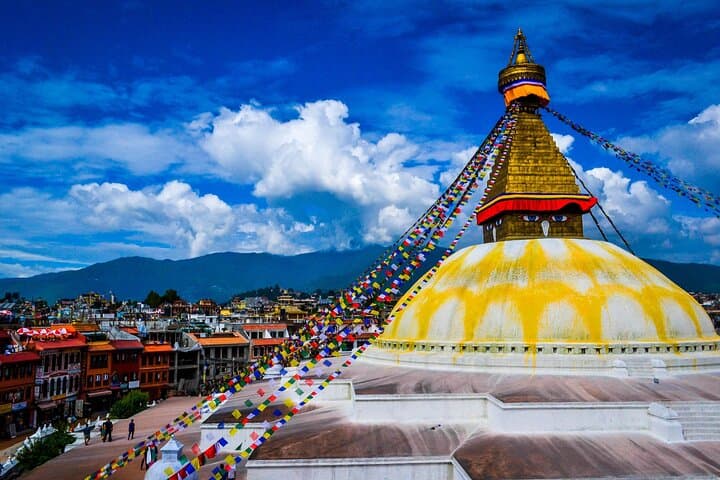
You step out of an air-conditioned vehicle into a city that keeps history in its courtyards and smoke in its skyline. On day one the hilltop Swayambhunath watches over Kathmandu—monkeys moving like punctuation across ancient stupa terraces—while Boudhanath’s giant mandala draws spinning prayer wheels and saffron-robed pilgrims. Pashupatinath sits in contrast: a riverside Hindu complex where ritual and life are visible and uncompromising.
You step out of an air-conditioned vehicle into a city that keeps history in its courtyards and smoke in its skyline. On day one the hilltop Swayambhunath watches over Kathmandu—monkeys moving like punctuation across ancient stupa terraces—while Boudhanath’s giant mandala draws spinning prayer wheels and saffron-robed pilgrims. Pashupatinath sits in contrast: a riverside Hindu complex where ritual and life are visible and uncompromising.
Kathmandu Valley is the core of the Newar kingdoms, a compact archive of brick-and-wood architecture shaped by centuries of trade, patronage, and seismic events. Patan and Bhaktapur Durbar Squares preserve carved windows, palace courtyards, and pottery workshops that trace artisan traditions back to medieval city-states. Geologically, the valley is a high basin at roughly 1,350–1,400 m; Nagarkot climbs the rim to about 2,195 m, giving unobstructed Himalayan panoramas and dramatic sunrise light.
Expect urban walking on uneven stone, narrow lanes that open into crowded plazas, and short stair climbs at temple sites. The second day’s drive east to Bhaktapur and Nagarkot is short in distance but a reminder of shifting microclimates: cooler, clearer air at the ridge makes sunrise worth the early alarm. Practicalities: modest dress for temples, cash for entrance fees and local purchases, comfortable shoes for cobbled courtyards, and a flexible schedule—traffic and crowds shape timing. With a private vehicle, an English-speaking guide, and hotel pickup, the tour is tailored and accessible, giving concentrated access to the valley’s cultural high points and a Himalayan morning you can plan around.