THE ADVENTURE COLLECTIVE® · Independent discovery and booking for outdoor travel

A compact private 2-day circuit from Safaga that pairs Cairo’s pyramids and museum with Luxor’s Valley of the Kings and Karnak Temple. Ideal for travelers who want concentrated access to Egypt’s major archaeological sites with guided transfers and domestic flights included.
A compact private 2-day circuit from Safaga that pairs Cairo’s pyramids and museum with Luxor’s Valley of the Kings and Karnak Temple. Ideal for travelers who want concentrated access to Egypt’s major archaeological sites with guided transfers and domestic flights included.
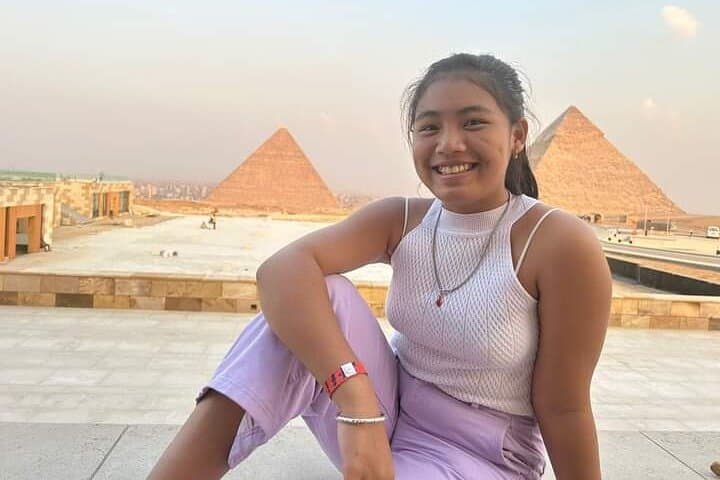
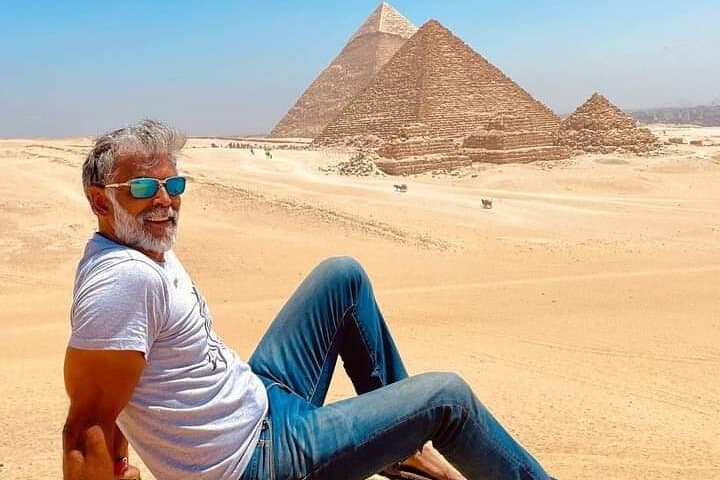
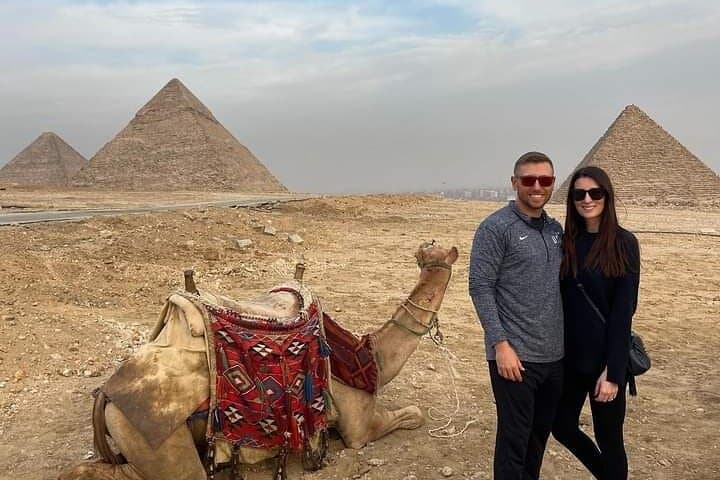
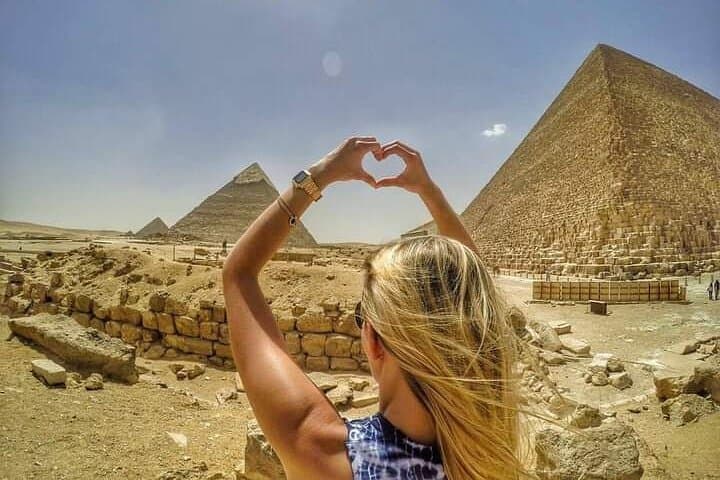
Dawn fattens the horizon over the Red Sea as a private vehicle picks up travelers in Safaga and heads for a short domestic flight to Cairo. The city arrives like a pulse — traffic, sandstone light, and the endless human current — before the Giza Plateau opens into monumental stone. Standing beneath the Great Pyramid, the desert seems to insist on scale; the Sphinx watches the road to eternity.
Verified experiences and guided adventures in the surrounding area.
Operated by Egypt Best Day Tours · Safaga, Red Sea Governorate
Dawn fattens the horizon over the Red Sea as a private vehicle picks up travelers in Safaga and heads for a short domestic flight to Cairo. The city arrives like a pulse — traffic, sandstone light, and the endless human current — before the Giza Plateau opens into monumental stone. Standing beneath the Great Pyramid, the desert seems to insist on scale; the Sphinx watches the road to eternity.
The route moves from Old Kingdom Giza and Saqqara’s stepped stonework to the museum galleries that preserve a different kind of silence: catalogued royal lives and fragile funerary gold. Geology here is straightforward — Nile silt on the floodplain gives way to limestone escarpments that pharaohs exploited for tombs and temples. By evening the group flies to Luxor, where the Nile will become both highway and living history.
West Bank tombs in the Valley of the Kings, Hatshepsut’s cliff-set mortuary temple, and Karnak’s hypostyle forest reveal successive New Kingdom ambitions carved in sandstone and mud-brick. Along the way, small working sites — an alabaster workshop and Howard Carter’s restored house — connect modern craftspeople to ancient techniques.
Practical note: this private, two-day itinerary is logistically dense. Expect early starts, domestic flight luggage limits, and several short but often steep walks and steps inside tombs. Bring a daypack, sun protection, comfortable walking shoes with grip, copies of travel documents, and Egyptian pounds for tips and small purchases. Allow time between legs to acclimate to heat and crowds; a qualified Egyptologist guide accompanies the whole route to streamline permits, entrances, and context.
easy.
2 days.
Suitable for most travelers in reasonable health; involves multiple short walks, stairs in tombs and uneven surfaces.
The itinerary shows admission included for major sites such as the Giza Pyramids, Egyptian Museum, Valley of the Kings and Karnak; confirm the final booking voucher for exact inclusions.
Flights between the Red Sea region and Cairo are short (about 1–1.5 hours), and the Cairo–Luxor leg is roughly 1–1.5 hours; schedules require early pickups and airport transfers on both ends.
The tour is wheelchair-accessible in transport and many public areas, but some archaeological sites have uneven ground, stairs, and tight tomb passages that limit access—check specifics with the operator in advance.
Carry some Egyptian pounds for small purchases and gratuities; tipping guides and drivers is customary and appreciated (discuss suggested amounts with your guide).
This route threads Old Kingdom pyramid fields with New Kingdom Theban tombs—sites built and reused across millennia that reflect Egypt’s long centralized burial and temple traditions.
High visitor volume stresses fragile interiors and painted reliefs; follow your guide, avoid touching carvings, and use established paths to minimize erosion and wear.
Egypt Best Day Tours operates guided outdoor trips and adventures with an emphasis on safety, stewardship, and memorable experiences.
Dawn fattens the horizon over the Red Sea as a private vehicle picks up travelers in Safaga and heads for a short domestic flight to Cairo. The city arrives like a pulse — traffic, sandstone light, and the endless human current — before the Giza Plateau opens into monumental stone. Standing beneath the Great Pyramid, the desert seems to insist on scale; the Sphinx watches the road to eternity.
Dawn fattens the horizon over the Red Sea as a private vehicle picks up travelers in Safaga and heads for a short domestic flight to Cairo. The city arrives like a pulse — traffic, sandstone light, and the endless human current — before the Giza Plateau opens into monumental stone. Standing beneath the Great Pyramid, the desert seems to insist on scale; the Sphinx watches the road to eternity.
The route moves from Old Kingdom Giza and Saqqara’s stepped stonework to the museum galleries that preserve a different kind of silence: catalogued royal lives and fragile funerary gold. Geology here is straightforward — Nile silt on the floodplain gives way to limestone escarpments that pharaohs exploited for tombs and temples. By evening the group flies to Luxor, where the Nile will become both highway and living history.
West Bank tombs in the Valley of the Kings, Hatshepsut’s cliff-set mortuary temple, and Karnak’s hypostyle forest reveal successive New Kingdom ambitions carved in sandstone and mud-brick. Along the way, small working sites — an alabaster workshop and Howard Carter’s restored house — connect modern craftspeople to ancient techniques.
Practical note: this private, two-day itinerary is logistically dense. Expect early starts, domestic flight luggage limits, and several short but often steep walks and steps inside tombs. Bring a daypack, sun protection, comfortable walking shoes with grip, copies of travel documents, and Egyptian pounds for tips and small purchases. Allow time between legs to acclimate to heat and crowds; a qualified Egyptologist guide accompanies the whole route to streamline permits, entrances, and context.