THE ADVENTURE COLLECTIVE® · Independent discovery and booking for outdoor travel

A compact, private two‑day tour that moves from Hurghada to Cairo’s crown jewels — the Egyptian Museum, Giza Pyramids, the Citadel and Saqqara. Ideal for travelers who want curated historical context with hotel accommodation and transport included.
A compact, private two‑day tour that moves from Hurghada to Cairo’s crown jewels — the Egyptian Museum, Giza Pyramids, the Citadel and Saqqara. Ideal for travelers who want curated historical context with hotel accommodation and transport included.
Early morning light breaks over the Red Sea as your private van leaves Hurghada, the road humming beneath you on the six‑hour drive to Cairo. By afternoon you stand beneath weathered limestone faces and the wide, silent shoulders of the Great Pyramids, wind and ancient stone pressing attention inward.
Verified experiences and guided adventures in the surrounding area.
Operated by ToursMo · Cairo, Cairo Governorate
Early morning light breaks over the Red Sea as your private van leaves Hurghada, the road humming beneath you on the six‑hour drive to Cairo. By afternoon you stand beneath weathered limestone faces and the wide, silent shoulders of the Great Pyramids, wind and ancient stone pressing attention inward.
Cairo's layers are visible at every stop: the Egyptian Museum houses pottery, gold funerary masks and Tutankhamun's relics that trace Egypt's dynastic arc; the Citadel of Salah al‑Din crowns Mokattam Hill, a medieval stronghold shaped by crusader‑era geopolitics; Old Cairo's Coptic churches speak to the city's Christian communities woven into an Islamic metropolis; Saqqara's Step Pyramid marks the leap from mastaba tombs to monumental stone. The geology here—Nile silt, Eocene limestone, and desert tafoni—made both agriculture and monumental construction possible.
Expect crowded squares, bargaining in Khan el‑Khalili, and intense sunlight; sounds of street life and calls to prayer punctuate guided narration. Your Egyptologist guide will contextualize inscriptions, funerary customs, and 4,500 years of statecraft while logistical needs—entrance timing, heat management, and respectful dress—shape the day.
Practicalities: travel between Hurghada and Cairo is long; overnight in a Cairo hotel is included. Bring sun protection, comfortable walking shoes, and copies of your passport. Allow flexibility for traffic and security checks. Move deliberately through museums and monuments: pause, listen to your guide, and leave space for the city's tempo to teach you its history. Consider an early start from Hurghada to avoid midday heat; night photography is limited at some sites, ask your guide.
easy.
2 days (approx. 8–10 hours of touring).
Light walking fitness; must be able to walk on uneven surfaces and climb short stairways
Yes — round‑trip private transportation from Hurghada to Cairo is included as part of this tour.
Entrance fees for the listed sights are included; private pyramid interior access is not included and must be arranged on your own.
The tour lists wheelchair accessible transportation and some sites may be accessible, but ancient sites often have uneven terrain—contact the operator to confirm specifics.
Two lunches, one dinner, and one breakfast during the overnight stay are included in the tour price.
Saqqara's Step Pyramid of Djoser (c. 27th century BCE) is one of the earliest large stone structures and marks a pivotal shift in Egyptian funerary architecture.
High visitor numbers and urban pollution strain fragile monuments; stick to marked paths, avoid touching carved surfaces, and follow guide instructions to minimize impact.
ToursMo operates guided outdoor trips and adventures with an emphasis on safety, stewardship, and memorable experiences.
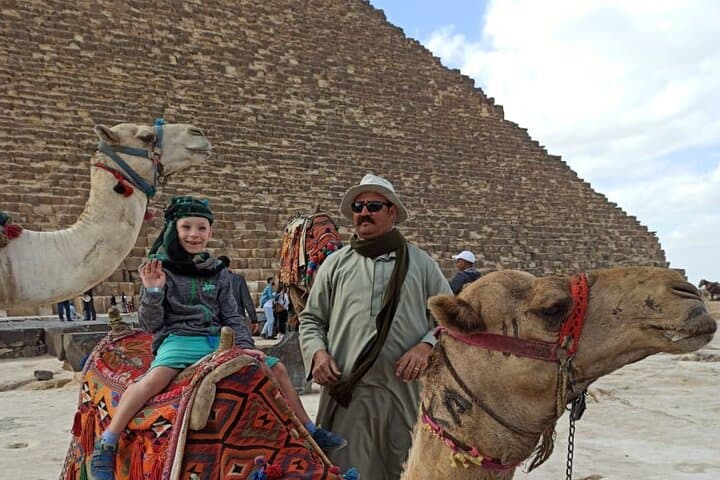
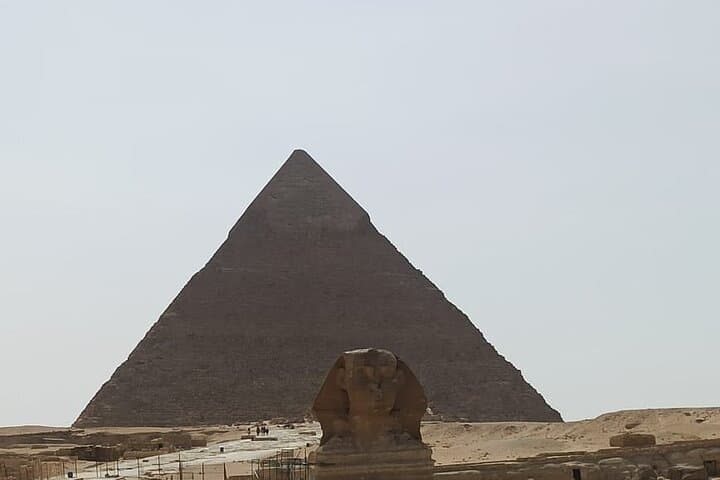
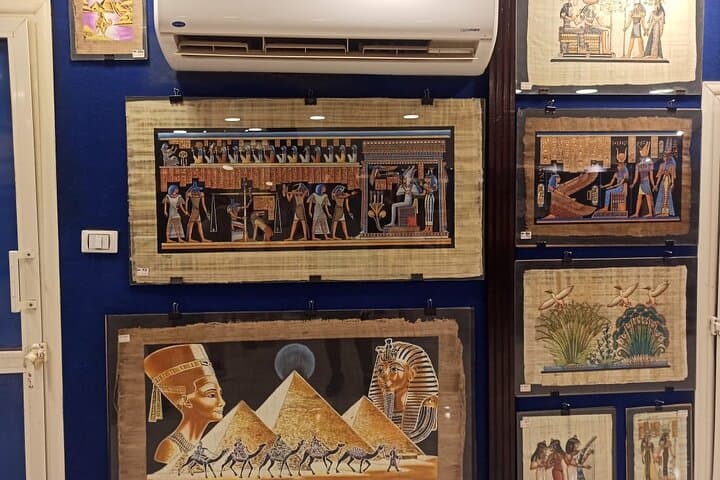
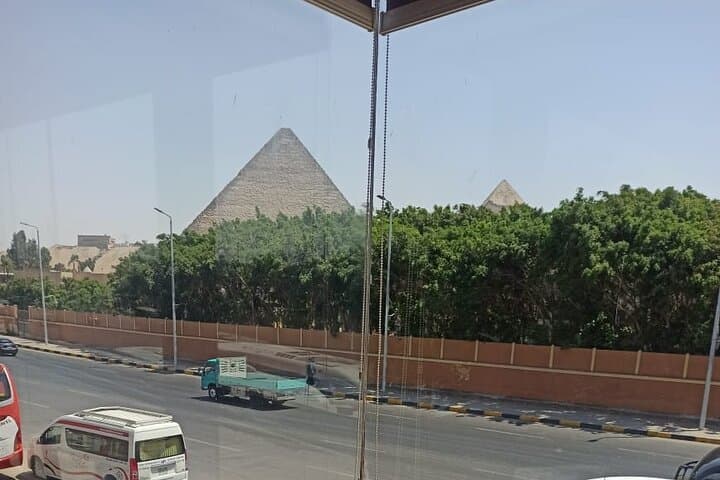
Early morning light breaks over the Red Sea as your private van leaves Hurghada, the road humming beneath you on the six‑hour drive to Cairo. By afternoon you stand beneath weathered limestone faces and the wide, silent shoulders of the Great Pyramids, wind and ancient stone pressing attention inward.
Early morning light breaks over the Red Sea as your private van leaves Hurghada, the road humming beneath you on the six‑hour drive to Cairo. By afternoon you stand beneath weathered limestone faces and the wide, silent shoulders of the Great Pyramids, wind and ancient stone pressing attention inward.
Cairo's layers are visible at every stop: the Egyptian Museum houses pottery, gold funerary masks and Tutankhamun's relics that trace Egypt's dynastic arc; the Citadel of Salah al‑Din crowns Mokattam Hill, a medieval stronghold shaped by crusader‑era geopolitics; Old Cairo's Coptic churches speak to the city's Christian communities woven into an Islamic metropolis; Saqqara's Step Pyramid marks the leap from mastaba tombs to monumental stone. The geology here—Nile silt, Eocene limestone, and desert tafoni—made both agriculture and monumental construction possible.
Expect crowded squares, bargaining in Khan el‑Khalili, and intense sunlight; sounds of street life and calls to prayer punctuate guided narration. Your Egyptologist guide will contextualize inscriptions, funerary customs, and 4,500 years of statecraft while logistical needs—entrance timing, heat management, and respectful dress—shape the day.
Practicalities: travel between Hurghada and Cairo is long; overnight in a Cairo hotel is included. Bring sun protection, comfortable walking shoes, and copies of your passport. Allow flexibility for traffic and security checks. Move deliberately through museums and monuments: pause, listen to your guide, and leave space for the city's tempo to teach you its history. Consider an early start from Hurghada to avoid midday heat; night photography is limited at some sites, ask your guide.