THE ADVENTURE COLLECTIVE® · Independent discovery and booking for outdoor travel

Spend two days moving between the engineering feat of the Aswan High Dam, the island temple of Philae, and the monumental Abu Simbel temples. This private tour pairs efficient transfers with deep cultural context for travelers who want history without a packed crowd.
Spend two days moving between the engineering feat of the Aswan High Dam, the island temple of Philae, and the monumental Abu Simbel temples. This private tour pairs efficient transfers with deep cultural context for travelers who want history without a packed crowd.
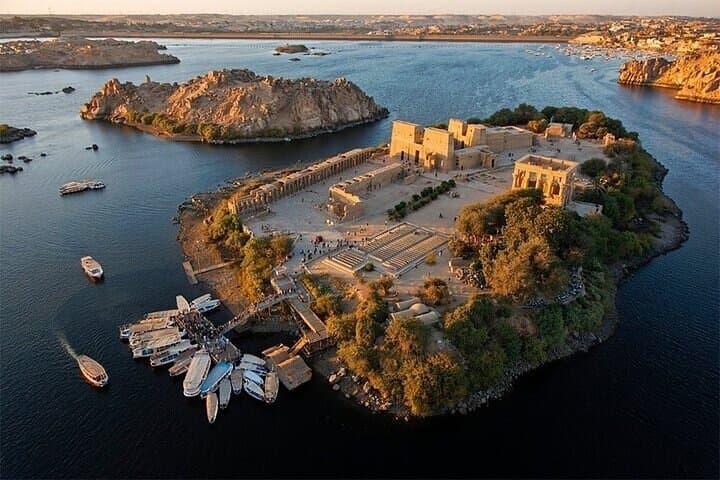
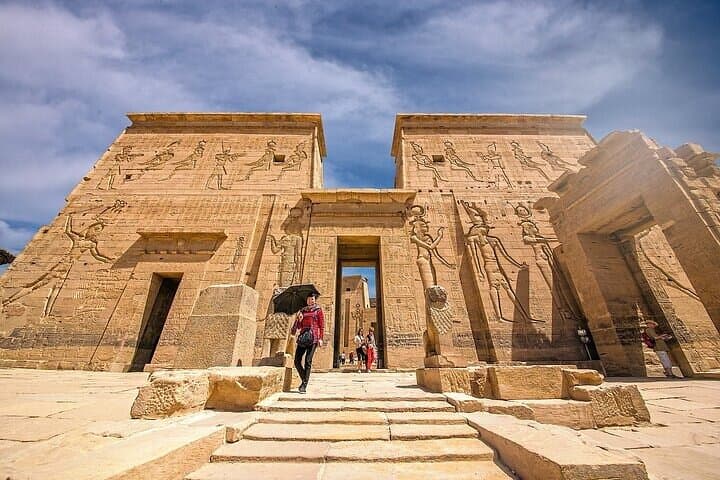
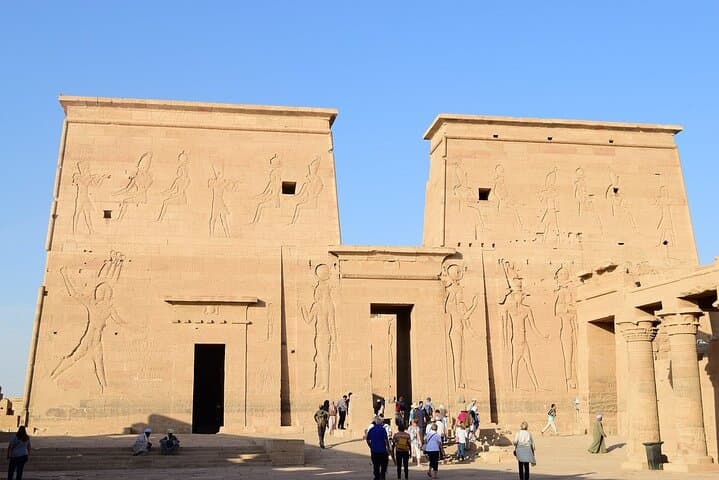
The sun lifts off the Nile and paints the granite hills around Aswan in hard gold as your convoy pulls away from town. On day one the river watches you cross to Philae Island, where columns and reliefs still hold the hush of ancient rites. The High Dam looms next — a 20th-century monolith that rerouted waters and rewired Egypt’s landscape — and the quarry’s Unfinished Obelisk lets you read the tool marks of craftsmen who started, then abandoned, a colossus in place.
Verified experiences and guided adventures in the surrounding area.
Operated by Eyes of Egypt · Aswan, Aswan Governorate
The sun lifts off the Nile and paints the granite hills around Aswan in hard gold as your convoy pulls away from town. On day one the river watches you cross to Philae Island, where columns and reliefs still hold the hush of ancient rites. The High Dam looms next — a 20th-century monolith that rerouted waters and rewired Egypt’s landscape — and the quarry’s Unfinished Obelisk lets you read the tool marks of craftsmen who started, then abandoned, a colossus in place.
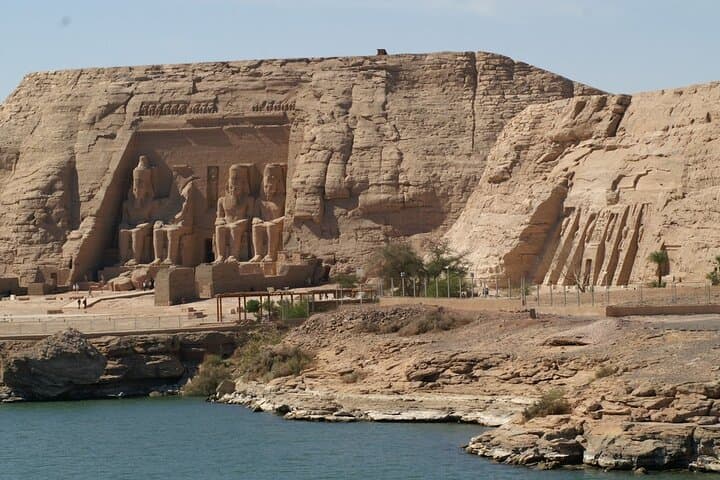
This two-day private itinerary pairs Antediluvian monuments with modern engineering: Philae’s temples dedicated to Isis, the scarred granite quarries of the Aswan area, and a long road south to Abu Simbel where Ramses II’s seated colossi stare out toward the desert. Geology here is obvious — pink granite and banded sandstone shaped by the Nile and glacial cycles that left the river’s banks firm and reflective. Culturally, Aswan has long been a crossroads of Nubian and Egyptian traditions; local markets hum with spices, dates, and handwoven textiles.
Practically, expect two full days with roughly three hours of driving each way to Abu Simbel (about 280 km/175 miles). Walking at sites involves steps, sand, and exposed sun. Bring sun protection, comfortable shoes for stone surfaces, and a water bottle; guides and private transport handle logistics and permits. Book a Golden or Diamond level for an expert guide and included tickets to optimize time. With private pickup and air-conditioned transfer, the tour is time-efficient — a compact way to move between epochs and landscapes without rushing the view.
easy.
2 days.
Suitable for most fitness levels; be prepared for short walks, stairs, and long seated transfers.
The road distance is about 280 km (175 miles) and typically takes around three hours each way with a short rest stop en route.
Entrance is included only with the Diamond option; check your booking level to confirm whether tickets are provided.
The tour is marked wheelchair accessible for transport, but some temple areas have steps and uneven surfaces — contact the operator to arrange assistance where needed.
Morning visits avoid the worst heat and give crisp light for the temple facades; scheduling with a private guide helps you beat larger tour groups.
Aswan has been a strategic Nile gateway since Pharaonic times; the relocation of Abu Simbel in the 1960s to save it from Lake Nasser’s rise is a landmark of modern heritage engineering.
Tour operators emphasize staying on paths and avoiding flash photography in sensitive reliefs; supporting local guides helps fund conservation and community livelihoods.
Eyes of Egypt operates guided outdoor trips and adventures with an emphasis on safety, stewardship, and memorable experiences.
The sun lifts off the Nile and paints the granite hills around Aswan in hard gold as your convoy pulls away from town. On day one the river watches you cross to Philae Island, where columns and reliefs still hold the hush of ancient rites. The High Dam looms next — a 20th-century monolith that rerouted waters and rewired Egypt’s landscape — and the quarry’s Unfinished Obelisk lets you read the tool marks of craftsmen who started, then abandoned, a colossus in place.
The sun lifts off the Nile and paints the granite hills around Aswan in hard gold as your convoy pulls away from town. On day one the river watches you cross to Philae Island, where columns and reliefs still hold the hush of ancient rites. The High Dam looms next — a 20th-century monolith that rerouted waters and rewired Egypt’s landscape — and the quarry’s Unfinished Obelisk lets you read the tool marks of craftsmen who started, then abandoned, a colossus in place.
This two-day private itinerary pairs Antediluvian monuments with modern engineering: Philae’s temples dedicated to Isis, the scarred granite quarries of the Aswan area, and a long road south to Abu Simbel where Ramses II’s seated colossi stare out toward the desert. Geology here is obvious — pink granite and banded sandstone shaped by the Nile and glacial cycles that left the river’s banks firm and reflective. Culturally, Aswan has long been a crossroads of Nubian and Egyptian traditions; local markets hum with spices, dates, and handwoven textiles.
Practically, expect two full days with roughly three hours of driving each way to Abu Simbel (about 280 km/175 miles). Walking at sites involves steps, sand, and exposed sun. Bring sun protection, comfortable shoes for stone surfaces, and a water bottle; guides and private transport handle logistics and permits. Book a Golden or Diamond level for an expert guide and included tickets to optimize time. With private pickup and air-conditioned transfer, the tour is time-efficient — a compact way to move between epochs and landscapes without rushing the view.