THE ADVENTURE COLLECTIVE® · Independent discovery and booking for outdoor travel

Spend two full days exploring Angkor’s major temples at dawn and dusk, then travel to Banteay Srei and a Tonle Sap stilt village. This private tour packs archaeological highlights with village life and a motorized boat ride.
Spend two full days exploring Angkor’s major temples at dawn and dusk, then travel to Banteay Srei and a Tonle Sap stilt village. This private tour packs archaeological highlights with village life and a motorized boat ride.
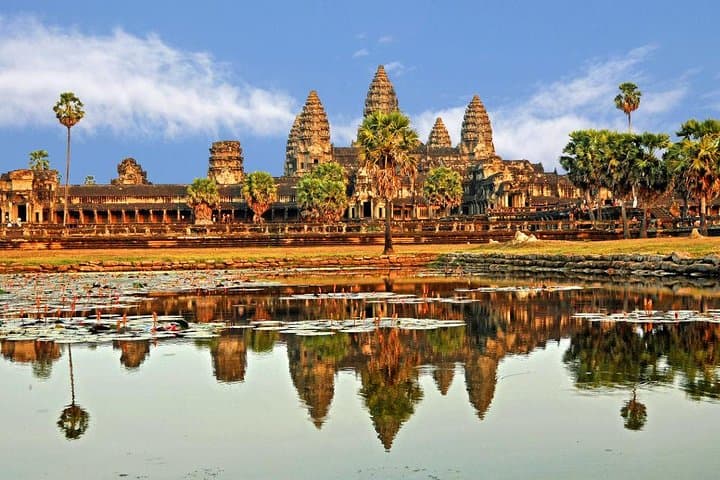
Before dawn the causeway to Angkor Wat feels like a threshold: carp splash in the moat, temple silhouettes sharpen as the sky lightens, and small groups shuffle toward the western gallery to claim a sunrise view.
Verified experiences and guided adventures in the surrounding area.
Operated by Asia Voyage Tour · Siem Reap, Siem Reap Province
Before dawn the causeway to Angkor Wat feels like a threshold: carp splash in the moat, temple silhouettes sharpen as the sky lightens, and small groups shuffle toward the western gallery to claim a sunrise view.
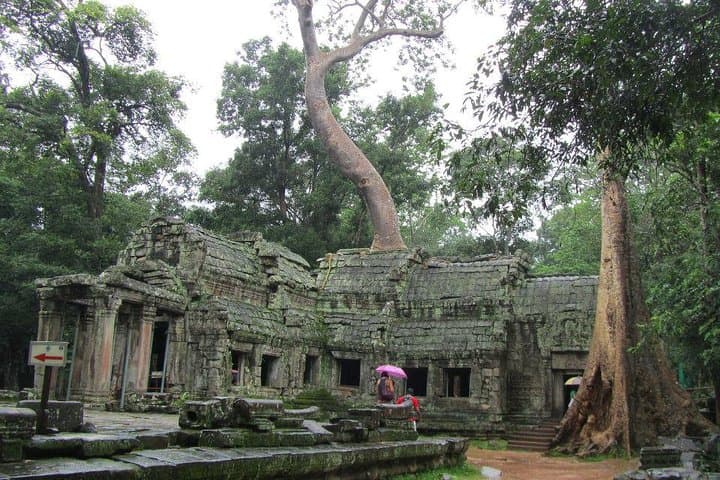
This private two-day itinerary walks you through the heart of the Khmer empire — Angkor Thom’s Bayon with its dozens of carved faces, the tree-entwined ruins of Ta Prohm, and the expansive galleries of Angkor Wat itself — then out to Banteay Srei’s pink sandstone filigree and the seasonal life of the Tonle Sap floating villages.
Geology here is plain in the stone: laterite foundations, soft sandstone façades, and the steady erosion patterns left by tropical storms. Culturally, these temples chart shifts from Hindu to Mahayana Buddhist practice and are threaded through local ritual life; nearby villages still harvest palm sugar and fish the floodplains as generations have.
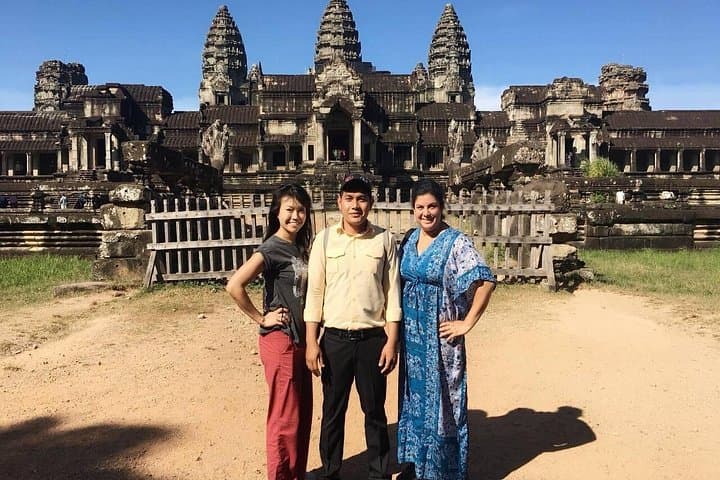
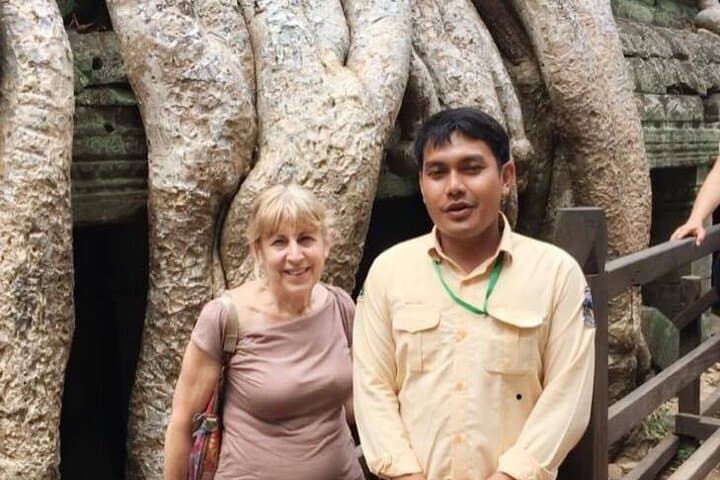
Expect long days on uneven stone and compacted dirt, early starts for light-sensitive sites (Phnom Bakheng and Angkor Wat at sunrise), and a motorized boat ride to see Kompong Phluk’s stilt houses. Guides handle pass logistics, hotel pickup, and bottled water — but bring a printed or mobile copy of your Angkor pass purchase confirmation.
Practical tips: wear grippy walking shoes, lightweight sun and rain protection, and carry a refillable bottle. Respect temple etiquette (covered shoulders and knees), budget time for photography and slow stair sections, and plan sunscreen and electrolyte replacement for Cambodia’s heat.
moderate.
2 days (10–12 hours per day).
Moderate — comfortable walking for several hours each day on uneven, stepped surfaces; ability to climb short stair sections required
You can buy passes at the Angkor Enterprise ticket office on arrival; the guide can advise which duration (2- or 3-day) matches the itinerary.
Not for children under 3; infants and young children may find long walking days and early starts tiring despite car and child-seat options.
Bottled water and cold towels are included; meals are not specified so plan on hotel breakfasts and local lunch stops paid separately.
Yes — itineraries often offer Preah Khan, Neak Pean, Ta Som and East Mebon as dry-season alternatives to Kompong Phluk.
Angkor’s temples span centuries: major monuments were built between the 9th and 13th centuries, reflecting shifts from Hindu state cults to Buddhist practice under rulers like Jayavarman VII.
Visitor pressure is managed through ticketing and site limits (e.g., Phnom Bakheng’s summit quota); follow paths and avoid touching carvings to help preserve fragile stonework.
Asia Voyage Tour operates guided outdoor trips and adventures with an emphasis on safety, stewardship, and memorable experiences.
Before dawn the causeway to Angkor Wat feels like a threshold: carp splash in the moat, temple silhouettes sharpen as the sky lightens, and small groups shuffle toward the western gallery to claim a sunrise view.
Before dawn the causeway to Angkor Wat feels like a threshold: carp splash in the moat, temple silhouettes sharpen as the sky lightens, and small groups shuffle toward the western gallery to claim a sunrise view.
This private two-day itinerary walks you through the heart of the Khmer empire — Angkor Thom’s Bayon with its dozens of carved faces, the tree-entwined ruins of Ta Prohm, and the expansive galleries of Angkor Wat itself — then out to Banteay Srei’s pink sandstone filigree and the seasonal life of the Tonle Sap floating villages.
Geology here is plain in the stone: laterite foundations, soft sandstone façades, and the steady erosion patterns left by tropical storms. Culturally, these temples chart shifts from Hindu to Mahayana Buddhist practice and are threaded through local ritual life; nearby villages still harvest palm sugar and fish the floodplains as generations have.
Expect long days on uneven stone and compacted dirt, early starts for light-sensitive sites (Phnom Bakheng and Angkor Wat at sunrise), and a motorized boat ride to see Kompong Phluk’s stilt houses. Guides handle pass logistics, hotel pickup, and bottled water — but bring a printed or mobile copy of your Angkor pass purchase confirmation.
Practical tips: wear grippy walking shoes, lightweight sun and rain protection, and carry a refillable bottle. Respect temple etiquette (covered shoulders and knees), budget time for photography and slow stair sections, and plan sunscreen and electrolyte replacement for Cambodia’s heat.