THE ADVENTURE COLLECTIVE® · Independent discovery and booking for outdoor travel

Spend two days tracing Petra’s carved canyons and façades with an expert guide and free time to explore. This itinerary pairs a quiet visit to Little Petra with a guided morning in the main site, plus hotel accommodation and transfers from Amman.
Spend two days tracing Petra’s carved canyons and façades with an expert guide and free time to explore. This itinerary pairs a quiet visit to Little Petra with a guided morning in the main site, plus hotel accommodation and transfers from Amman.
A dry wind presses through the narrow cleft of the Siq and then the light opens — stone carved in warm rose and gold, the Treasury’s façade confronting the traveler with precise, weathered grandeur. On a two-day tour from Amman, visitors arrive in Wadi Musa by sedan, sleep in a local hotel, and spend the next morning moving with a guide through Petra’s main highlights before time to wander off on their own.
Verified experiences and guided adventures in the surrounding area.
Operated by The Jordanian Mappers · Wadi Musa, Ma'an
A dry wind presses through the narrow cleft of the Siq and then the light opens — stone carved in warm rose and gold, the Treasury’s façade confronting the traveler with precise, weathered grandeur. On a two-day tour from Amman, visitors arrive in Wadi Musa by sedan, sleep in a local hotel, and spend the next morning moving with a guide through Petra’s main highlights before time to wander off on their own.
Petra was the Nabataeans’ capital by the 1st century BC, carved from sandstone and engineered with terraces, channels and cisterns that control scarce desert water. The geology is obvious: layered, banded sandstone that erodes into cliffs, slot canyons and sculpted façades. Cultural life in Wadi Musa today mixes Bedouin hospitality, small cafés, and markets where local craft and food reflect a living connection to the site.
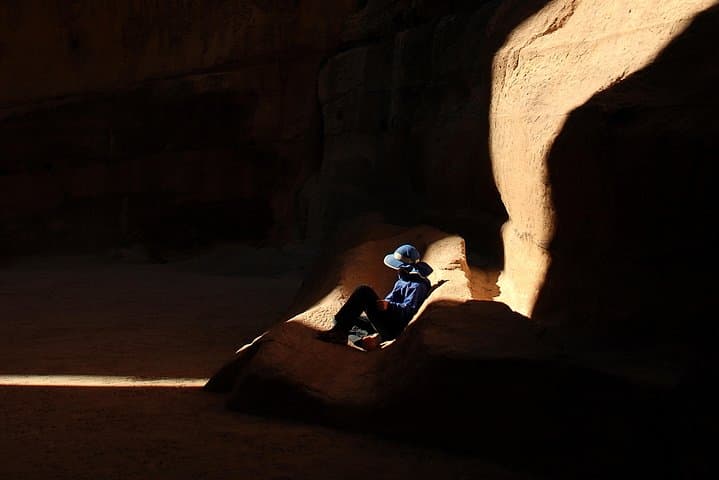
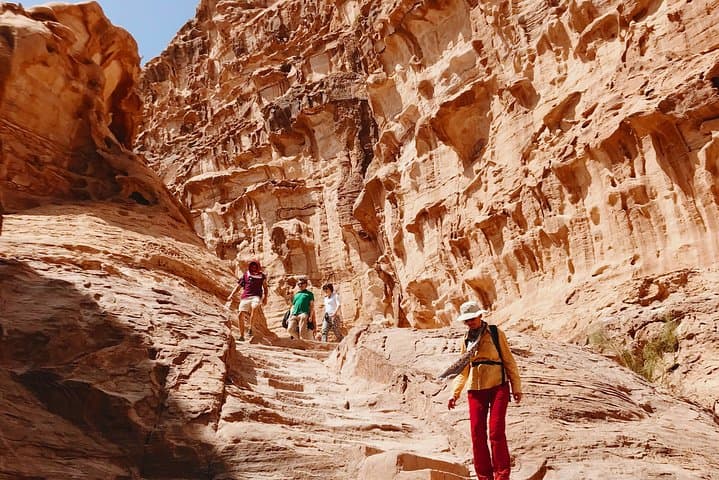
Practically, expect a mix of walking on uneven rock, steps, and short climbs — the Siq itself is an easy mile but routes to viewpoints involve steeper sections. Little Petra (Siq al-Barid) offers quieter rock houses and a shorter, self-guided walk the first day. Guides explain Nabataean waterworks and the funerary architecture; admission tickets are handled in the tour inclusions. Hydration, sun protection and sturdy shoes make the visit comfortable; mornings are best for light and crowds.
Logistics: pickup from Amman is included, hotel nights are provided, and the program names meals. Travelers should be capable of several hours on foot and ready for high-desert sun and sudden shade in the canyons.
moderate.
2 days.
Participants should be comfortable walking several hours across uneven ground and climbing short flights of stone steps.
This tour lists Petra admission as included; confirm ticket type with the operator before departure.
Expect several hours on foot each day: a gentle mile through the Siq plus additional uphill sections to viewpoints and terraces.
Infants can be accommodated, but the site’s uneven terrain and stairways make access challenging for people with limited mobility; discuss needs when booking.
The guided segment is approximately 2.5 hours, with additional free time to explore independently afterward.
Petra was the Nabataean capital and a key caravan hub; many façades and water systems date from the 1st century BC to Roman-era modifications.
High visitation stresses fragile sandstone and archaeological features—stay on marked paths, avoid carving or climbing façades, and support local guides and community-run services.
The Jordanian Mappers operates guided outdoor trips and adventures with an emphasis on safety, stewardship, and memorable experiences.
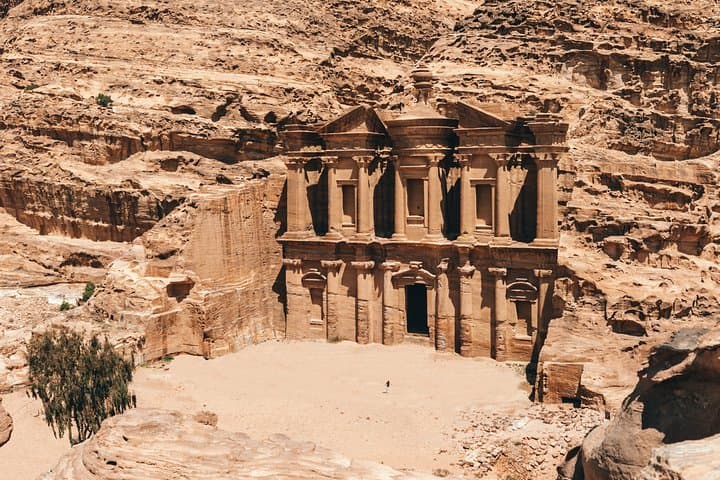
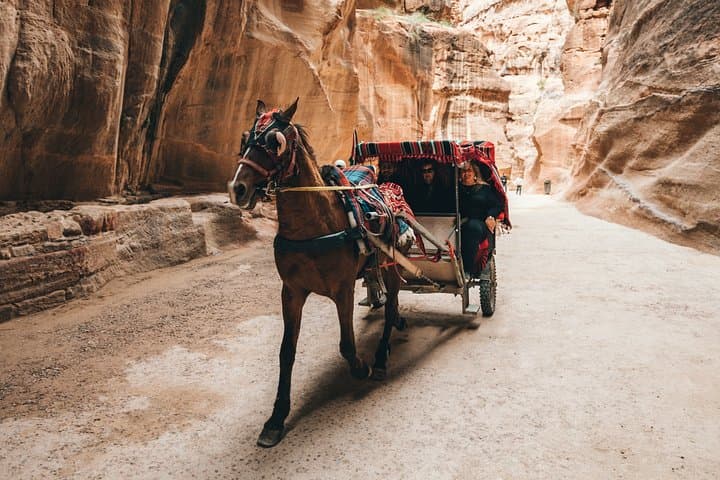
A dry wind presses through the narrow cleft of the Siq and then the light opens — stone carved in warm rose and gold, the Treasury’s façade confronting the traveler with precise, weathered grandeur. On a two-day tour from Amman, visitors arrive in Wadi Musa by sedan, sleep in a local hotel, and spend the next morning moving with a guide through Petra’s main highlights before time to wander off on their own.
A dry wind presses through the narrow cleft of the Siq and then the light opens — stone carved in warm rose and gold, the Treasury’s façade confronting the traveler with precise, weathered grandeur. On a two-day tour from Amman, visitors arrive in Wadi Musa by sedan, sleep in a local hotel, and spend the next morning moving with a guide through Petra’s main highlights before time to wander off on their own.
Petra was the Nabataeans’ capital by the 1st century BC, carved from sandstone and engineered with terraces, channels and cisterns that control scarce desert water. The geology is obvious: layered, banded sandstone that erodes into cliffs, slot canyons and sculpted façades. Cultural life in Wadi Musa today mixes Bedouin hospitality, small cafés, and markets where local craft and food reflect a living connection to the site.
Practically, expect a mix of walking on uneven rock, steps, and short climbs — the Siq itself is an easy mile but routes to viewpoints involve steeper sections. Little Petra (Siq al-Barid) offers quieter rock houses and a shorter, self-guided walk the first day. Guides explain Nabataean waterworks and the funerary architecture; admission tickets are handled in the tour inclusions. Hydration, sun protection and sturdy shoes make the visit comfortable; mornings are best for light and crowds.
Logistics: pickup from Amman is included, hotel nights are provided, and the program names meals. Travelers should be capable of several hours on foot and ready for high-desert sun and sudden shade in the canyons.