THE ADVENTURE COLLECTIVE® · Independent discovery and booking for outdoor travel

Cross the border from Eilat for a compact, two-day journey through Jordan’s most dramatic ruins. Walk the Siq to the Treasury, sleep in Wadi Musa, then ascend to the Crusader ruins at Shobak—history and geology in two distinct acts.
Cross the border from Eilat for a compact, two-day journey through Jordan’s most dramatic ruins. Walk the Siq to the Treasury, sleep in Wadi Musa, then ascend to the Crusader ruins at Shobak—history and geology in two distinct acts.
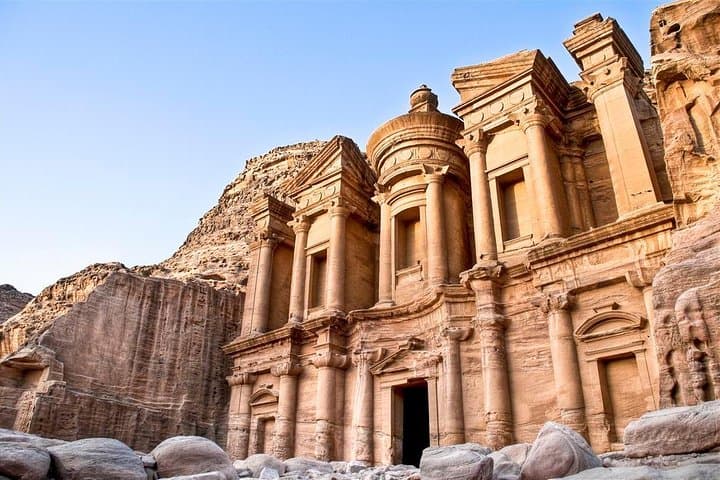
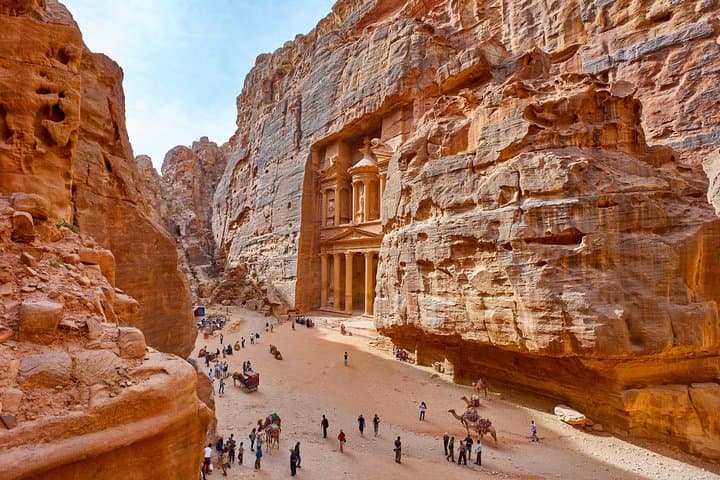
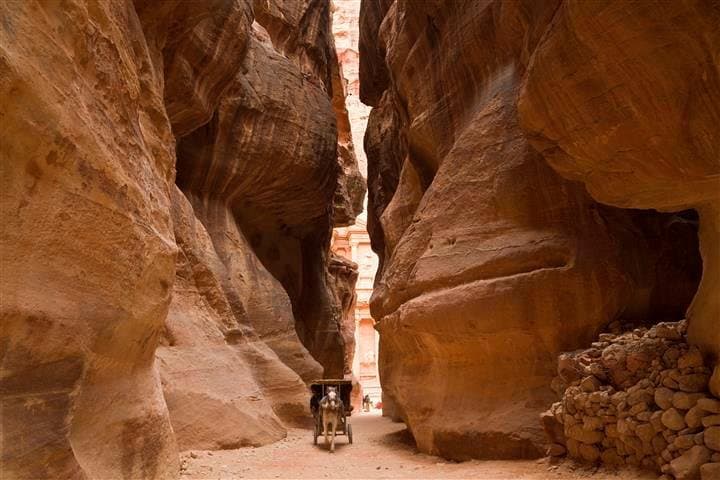
The morning starts before sunrise in Eilat; the road eats the dark and the desert cools under a thin, clean air. By the time the group reaches the Jordanian border the landscape has already changed—ochre cliffs giving way to the rose-red facades of Petra. Walk through the Siq and feel the canyon narrow, the rock pressing in like history guiding you toward the Treasury's carved face.
Verified experiences and guided adventures in the surrounding area.
Operated by Booking-tours.com · Wadi Musa, Ma'an Governorate
The morning starts before sunrise in Eilat; the road eats the dark and the desert cools under a thin, clean air. By the time the group reaches the Jordanian border the landscape has already changed—ochre cliffs giving way to the rose-red facades of Petra. Walk through the Siq and feel the canyon narrow, the rock pressing in like history guiding you toward the Treasury's carved face.
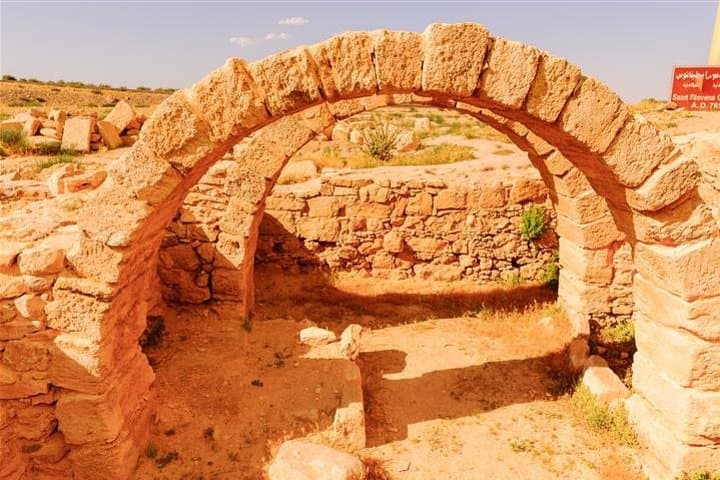
This two-day circuit pairs Petra's Nabataean city—cut into sandstone and refined over centuries—with Shobak, the stone footprint of the Crusaders perched on an arid ridge. Geology here is immediate: layered sandstone, wind-carved alcoves and flash-flood channels that shaped trade routes and shelter. Culturally, Wadi Musa grew around Petra as a service town; Shobak (Montreal) speaks to medieval strategic control and cross-cultural contact across the Levant.
Expect 4–5 hours of walking in Petra with uneven stone paths, steps, and narrow canyon sections; moderate fitness helps. Guides cover entry logistics, Nabataean history and safe pacing; the second day’s visit to Shobak is shorter, with steeper stone ramps and exposed viewpoints.
Practical notes: carry a passport and copies for the border crossing, bring 2–3 liters of water, sun protection and grippy footwear. Time your visit early or late in the day to avoid peak heat and to see rock colors at their most vivid. Respect signage—flash floods and fragile archaeology make staying on marked routes essential. With straightforward planning, the trip delivers two distinctly different eras of Jordan in compact, walkable form.
moderate.
2 days (approx. 8–10 hours walking total).
Moderate fitness—comfortable with several hours of walking on uneven ground and short climbs
Visa requirements depend on your nationality—some visitors obtain visas on arrival at the Jordanian border, but check embassy guidance in advance and carry passport details required by the operator.
Expect 4–5 hours of walking touring main sites including the Siq and Treasury; additional side trails add time and elevation.
Shobak involves shorter walks with steep stone ramps and some exposed sections; it’s less extensive than Petra but requires steady footing.
Jordanian dinar is used in Petra and Wadi Musa; many eateries accept cards but carry cash for small purchases and tips.
Petra was the Nabataean capital carved into sandstone between the 4th century BCE and 2nd century CE; Shobak was fortified by Crusaders (Montreal) in the 12th century to control trade routes.
Stay on marked trails and avoid removing or touching carved surfaces; local conservation efforts prioritize limiting erosion and managing tourist flows during peak season.
Booking-tours.com operates guided outdoor trips and adventures with an emphasis on safety, stewardship, and memorable experiences.
The morning starts before sunrise in Eilat; the road eats the dark and the desert cools under a thin, clean air. By the time the group reaches the Jordanian border the landscape has already changed—ochre cliffs giving way to the rose-red facades of Petra. Walk through the Siq and feel the canyon narrow, the rock pressing in like history guiding you toward the Treasury's carved face.
The morning starts before sunrise in Eilat; the road eats the dark and the desert cools under a thin, clean air. By the time the group reaches the Jordanian border the landscape has already changed—ochre cliffs giving way to the rose-red facades of Petra. Walk through the Siq and feel the canyon narrow, the rock pressing in like history guiding you toward the Treasury's carved face.
This two-day circuit pairs Petra's Nabataean city—cut into sandstone and refined over centuries—with Shobak, the stone footprint of the Crusaders perched on an arid ridge. Geology here is immediate: layered sandstone, wind-carved alcoves and flash-flood channels that shaped trade routes and shelter. Culturally, Wadi Musa grew around Petra as a service town; Shobak (Montreal) speaks to medieval strategic control and cross-cultural contact across the Levant.
Expect 4–5 hours of walking in Petra with uneven stone paths, steps, and narrow canyon sections; moderate fitness helps. Guides cover entry logistics, Nabataean history and safe pacing; the second day’s visit to Shobak is shorter, with steeper stone ramps and exposed viewpoints.
Practical notes: carry a passport and copies for the border crossing, bring 2–3 liters of water, sun protection and grippy footwear. Time your visit early or late in the day to avoid peak heat and to see rock colors at their most vivid. Respect signage—flash floods and fragile archaeology make staying on marked routes essential. With straightforward planning, the trip delivers two distinctly different eras of Jordan in compact, walkable form.