THE ADVENTURE COLLECTIVE® · Independent discovery and booking for outdoor travel

Two days in Nyungwe combine canopy walks, waterfall hikes and guided primate encounters through one of Africa's oldest montane rainforests. This practical guide outlines what you'll see, the terrain, and how to prepare for damp, steep trails and rewarding wildlife viewing.
Two days in Nyungwe combine canopy walks, waterfall hikes and guided primate encounters through one of Africa's oldest montane rainforests. This practical guide outlines what you'll see, the terrain, and how to prepare for damp, steep trails and rewarding wildlife viewing.
Mist lifts from a steep ridge and the canopy exhales—green columns and vines roll away into the distance as the trail descends toward Nyungwe's wetter valley floors. On day one the road from Kigali breaks into tea terraces and then into the forest edge where ferns and giant lobelias crowd the trailhead; by day two the forest itself dictates the pace, branches closing in, birds calling like punctuation.
Verified experiences and guided adventures in the surrounding area.
Operated by YAMBI Tours & Adventures · Huye, Southern Province
Mist lifts from a steep ridge and the canopy exhales—green columns and vines roll away into the distance as the trail descends toward Nyungwe's wetter valley floors. On day one the road from Kigali breaks into tea terraces and then into the forest edge where ferns and giant lobelias crowd the trailhead; by day two the forest itself dictates the pace, branches closing in, birds calling like punctuation.
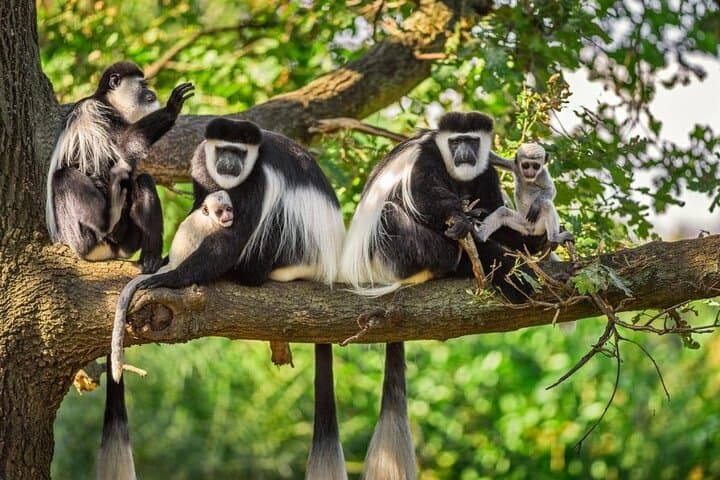
Nyungwe National Park is one of Africa's oldest montane rainforests, carved by volcanic uplifts and shaped by centuries of rain. The park shelters more than a thousand plant species and a notable primate community, including chimpanzees and several monkey species that animate the canopy. Cultural stops en route — notably the King's Palace Museum in Nyanza — frame Rwanda's royal past and the importance of cattle in local life.
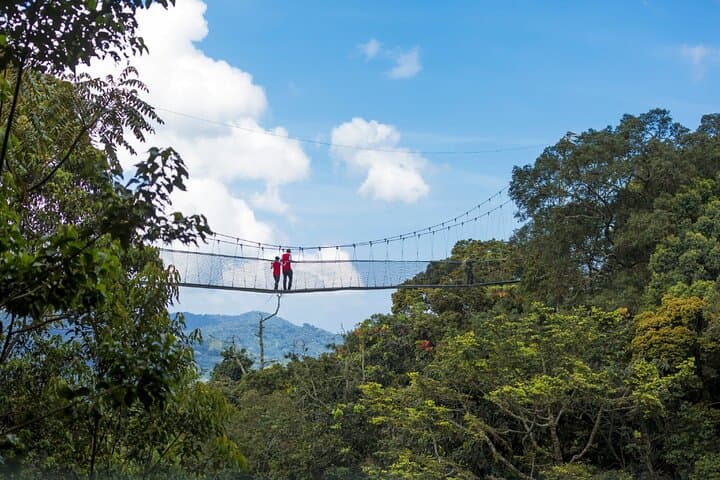
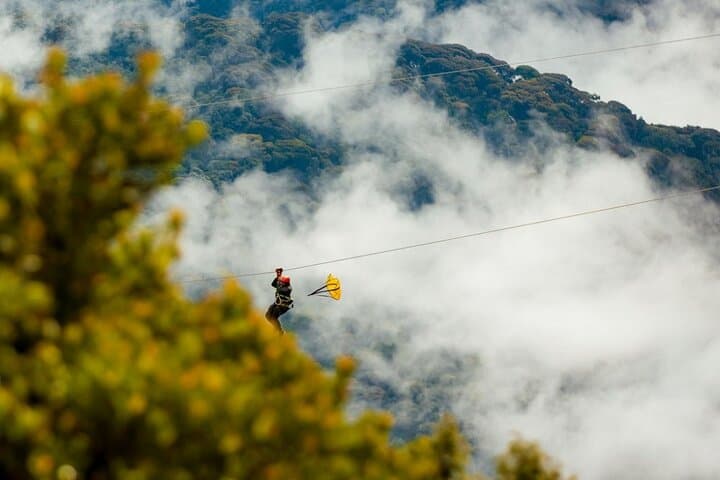
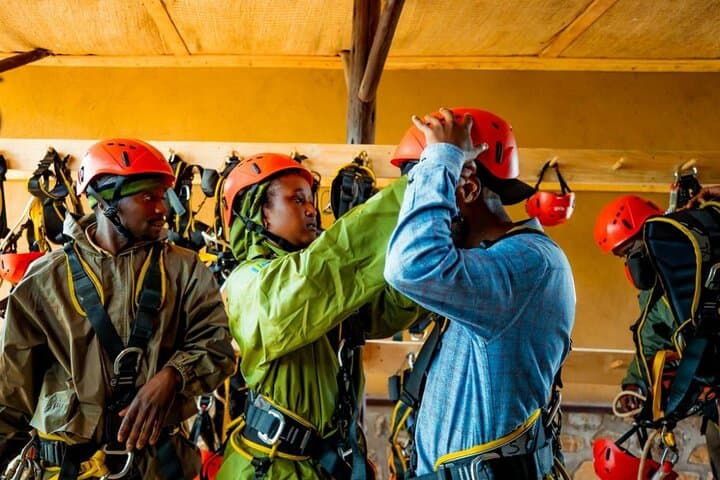
Expect steep, muddy sections, wooden boardwalks at the canopy walk, and cascades that gather into plunging waterfall basins. Guides interpret primate behavior, point out endemic orchids, and manage permits and safety on the canopy or zipline sections.
Practical guidance: start early to avoid afternoon rain and increased insect activity; wear grippy boots and a waterproof shell; bring water and binoculars for canopy viewing. Fitness should allow sustained uphill and downhill hiking for 2–6 hours on day hikes; expect basic scrambling on some descent sections. Permits and certified guides are required for primate areas and canopy features. With layered clothing and rain protection, visitors trade damp undergrowth for rare wildlife sightings and the sharp, cool air of Rwanda's high forest.
moderate.
2 days (6–8 hours hiking total).
Moderate fitness: able to sustain uphill/downhill hiking and short steep scrambles; not recommended for those with serious spine or heart issues.
Sightings are possible but not guaranteed; you’ll have guided opportunities in primate zones where presence depends on recent locations and animal movements.
Expect variable effort: boardwalks are easy, but connecting trails include steep, muddy climbs and descents—suitable for moderately fit hikers.
Yes—this tour includes park permits and a certified English/French guide for canopy and waterfall sections; follow their rules for distances and photography.
Dry months (June–September and December–February) tend to have firmer trails and better visibility, though wildlife activity can be high in wetter periods too.
The region around Nyungwe has long been inhabited by communities whose farming and cattle traditions shaped local culture; nearby Nyanza preserves royal sites tied to Rwanda's pre-colonial kingdom.
Nyungwe is managed for biodiversity and watershed protection; visitors should stick to trails, avoid single-use plastics, and follow guide rules to reduce disturbance.
YAMBI Tours & Adventures operates guided outdoor trips and adventures with an emphasis on safety, stewardship, and memorable experiences.
Mist lifts from a steep ridge and the canopy exhales—green columns and vines roll away into the distance as the trail descends toward Nyungwe's wetter valley floors. On day one the road from Kigali breaks into tea terraces and then into the forest edge where ferns and giant lobelias crowd the trailhead; by day two the forest itself dictates the pace, branches closing in, birds calling like punctuation.
Mist lifts from a steep ridge and the canopy exhales—green columns and vines roll away into the distance as the trail descends toward Nyungwe's wetter valley floors. On day one the road from Kigali breaks into tea terraces and then into the forest edge where ferns and giant lobelias crowd the trailhead; by day two the forest itself dictates the pace, branches closing in, birds calling like punctuation.
Nyungwe National Park is one of Africa's oldest montane rainforests, carved by volcanic uplifts and shaped by centuries of rain. The park shelters more than a thousand plant species and a notable primate community, including chimpanzees and several monkey species that animate the canopy. Cultural stops en route — notably the King's Palace Museum in Nyanza — frame Rwanda's royal past and the importance of cattle in local life.
Expect steep, muddy sections, wooden boardwalks at the canopy walk, and cascades that gather into plunging waterfall basins. Guides interpret primate behavior, point out endemic orchids, and manage permits and safety on the canopy or zipline sections.
Practical guidance: start early to avoid afternoon rain and increased insect activity; wear grippy boots and a waterproof shell; bring water and binoculars for canopy viewing. Fitness should allow sustained uphill and downhill hiking for 2–6 hours on day hikes; expect basic scrambling on some descent sections. Permits and certified guides are required for primate areas and canopy features. With layered clothing and rain protection, visitors trade damp undergrowth for rare wildlife sightings and the sharp, cool air of Rwanda's high forest.