THE ADVENTURE COLLECTIVE® · Independent discovery and booking for outdoor travel

Spend two days walking the sacred streets of Kōyasan from Osaka—visit Danjō Garan, Okunoin, and sleep in a temple lodging while experiencing shōjin ryōri and morning prayers. This tour blends accessible walking with deep cultural immersion.
Spend two days walking the sacred streets of Kōyasan from Osaka—visit Danjō Garan, Okunoin, and sleep in a temple lodging while experiencing shōjin ryōri and morning prayers. This tour blends accessible walking with deep cultural immersion.
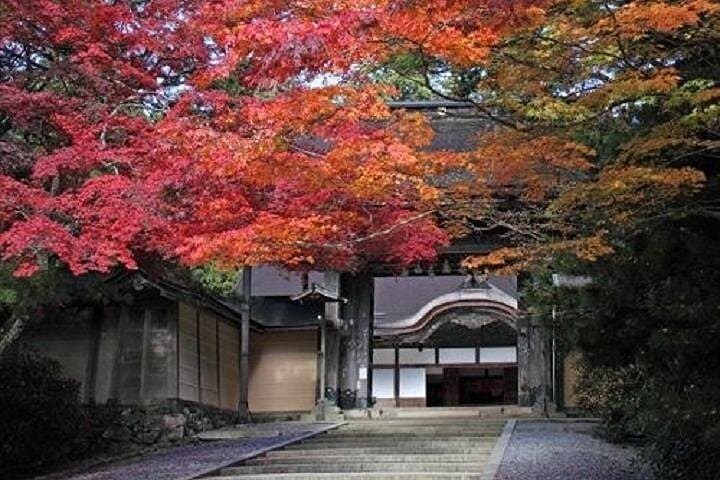
You step off the Nankai train into a high basin where cedars lean close and the air cools as if the mountain itself is inviting you to slow down.
Verified experiences and guided adventures in the surrounding area.
Operated by H.I.S.Co., Ltd. · Koya, Wakayama Prefecture
You step off the Nankai train into a high basin where cedars lean close and the air cools as if the mountain itself is inviting you to slow down.
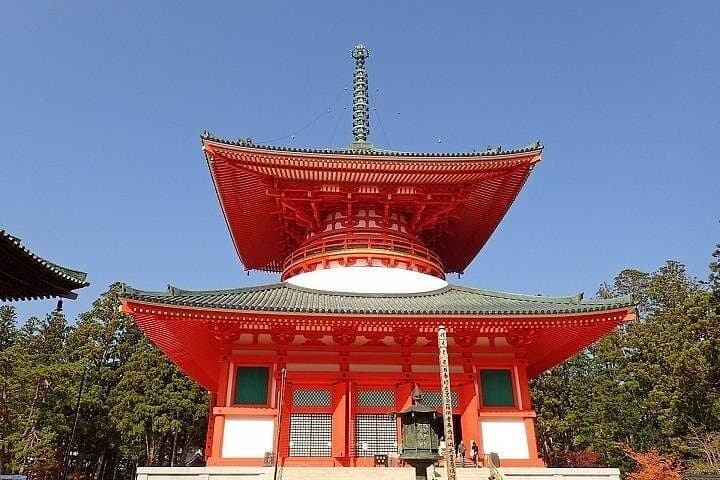
On day one the trail moves from busy Namba to the hushed lanes of Kōyasan: pagodas punctuate the skyline, lantern-lit paths lead to Okunoin’s centuries-old cemetery, and the Konpon Daitō stands vertical and patient. Geologically, Kōyasan sits on an upland plateau carved by ancient volcanic activity; the ridges cradle temples and cemeteries that read like a map of Japan’s religious history.
History arrives in the form of Kobo Daishi (Kūkai), the eighth-century monk who established Shingon Buddhism here. Cultural practice is intimate and tactile: remove shoes, bow low, listen to monks chant, and taste shōjin ryōri—meals designed around simplicity and seasonality.
The tour includes Nankai train transfers, a private English-speaking guide for the first day, visits to Danjō Garan and Okunoin, and an overnight at a shukubō where morning prayers may begin around 6:00 am. Expect paved streets, stone steps, and forested walking; the walking is accessible but involves stairs and uneven sections.
Practical notes: pack modest clothing for temple etiquette, a small daypack, cash for small purchases, and layered outerwear for cool mountain nights. If you want to join morning prayers, confirm in advance. Trains run on fixed schedules—plan connections accordingly. This is a short, immersive two-day rhythm of walking, quiet, and the kind of architecture and ritual that gives Kōyasan its enduring gravity.
moderate.
2 days.
Suitable for travelers comfortable with several hours of easy to moderate walking, stairs, and short uphill sections.
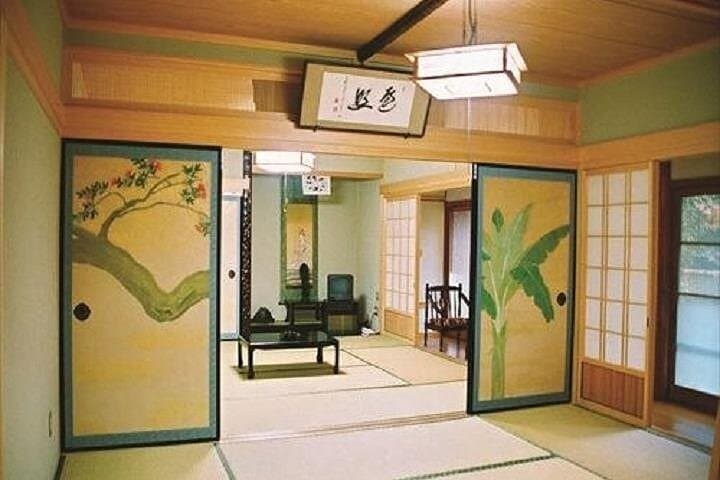
Yes—this tour includes an overnight at a shukubō where you’ll sleep in traditional rooms and usually share communal bathing areas; book ahead if you want to participate in morning prayers.
Dinner and breakfast (shōjin ryōri) at the temple are included; lunch on day one is typically not included, so plan accordingly.
The operator notes wheelchair accessibility in some areas, but Kōyasan has many stairs and stone paths—contact the provider to confirm specific accessibility needs.
The tour includes Nankai train tickets from Namba to Kōyasan via the Nankai line and cable car; follow scheduled departure times to ensure connections.
Kōyasan was founded in the early 9th century by Kūkai (Kobo Daishi) as the headquarters of Shingon Buddhism and remains a living monastic center.
Many temples and the Koyasan area emphasize low-impact visitation—stay on paths, avoid littering, and respect temple rules to reduce cultural and ecological strain.
H.I.S.Co., Ltd. operates guided outdoor trips and adventures with an emphasis on safety, stewardship, and memorable experiences.
You step off the Nankai train into a high basin where cedars lean close and the air cools as if the mountain itself is inviting you to slow down.
You step off the Nankai train into a high basin where cedars lean close and the air cools as if the mountain itself is inviting you to slow down.
On day one the trail moves from busy Namba to the hushed lanes of Kōyasan: pagodas punctuate the skyline, lantern-lit paths lead to Okunoin’s centuries-old cemetery, and the Konpon Daitō stands vertical and patient. Geologically, Kōyasan sits on an upland plateau carved by ancient volcanic activity; the ridges cradle temples and cemeteries that read like a map of Japan’s religious history.
History arrives in the form of Kobo Daishi (Kūkai), the eighth-century monk who established Shingon Buddhism here. Cultural practice is intimate and tactile: remove shoes, bow low, listen to monks chant, and taste shōjin ryōri—meals designed around simplicity and seasonality.
The tour includes Nankai train transfers, a private English-speaking guide for the first day, visits to Danjō Garan and Okunoin, and an overnight at a shukubō where morning prayers may begin around 6:00 am. Expect paved streets, stone steps, and forested walking; the walking is accessible but involves stairs and uneven sections.
Practical notes: pack modest clothing for temple etiquette, a small daypack, cash for small purchases, and layered outerwear for cool mountain nights. If you want to join morning prayers, confirm in advance. Trains run on fixed schedules—plan connections accordingly. This is a short, immersive two-day rhythm of walking, quiet, and the kind of architecture and ritual that gives Kōyasan its enduring gravity.