THE ADVENTURE COLLECTIVE® · Independent discovery and booking for outdoor travel

A compact, challenging two-day trek from Lençóis that traverses Serra do Bode, canyon gardens of orchids and two striking waterfalls. Expect steep climbs, narrow slots and a rustic campsite beside natural plunge pools.
A compact, challenging two-day trek from Lençóis that traverses Serra do Bode, canyon gardens of orchids and two striking waterfalls. Expect steep climbs, narrow slots and a rustic campsite beside natural plunge pools.
You push off from Lençóis before dawn, headlights cutting through eucalyptus and cerrado as the van climbs toward the Capivara River trailhead. The first steps are steep—Serra do Bode pulls you up over old diamond fields where pits and terraces still scar the slopes—then the route eases into a ribbon of shade that narrows into canyon.
Verified experiences and guided adventures in the surrounding area.
Operated by Zentur · Lençóis, Bahia
You push off from Lençóis before dawn, headlights cutting through eucalyptus and cerrado as the van climbs toward the Capivara River trailhead. The first steps are steep—Serra do Bode pulls you up over old diamond fields where pits and terraces still scar the slopes—then the route eases into a ribbon of shade that narrows into canyon.
Geology here is honest and exposed: sandstone walls gouged by seasonal floods create slot-like passages where orchids and bromeliads colonize vertical pockets. Cultural traces of 19th-century diamond extraction sit interleaved with the landscape, a reminder that these valleys supported boom-and-bust lives long before the park’s protections.
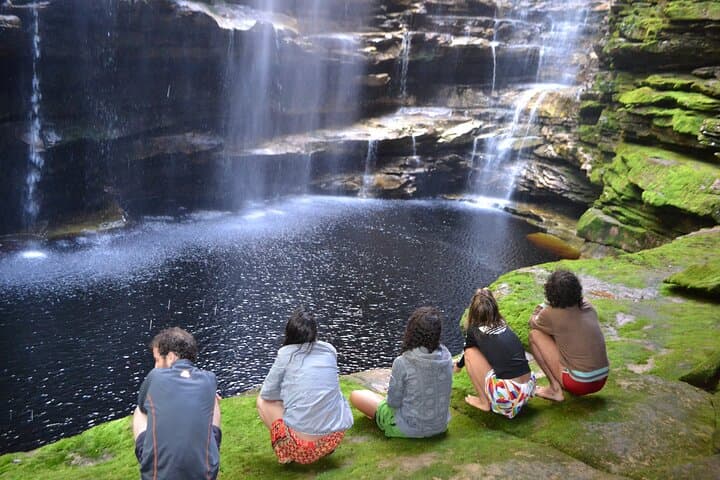
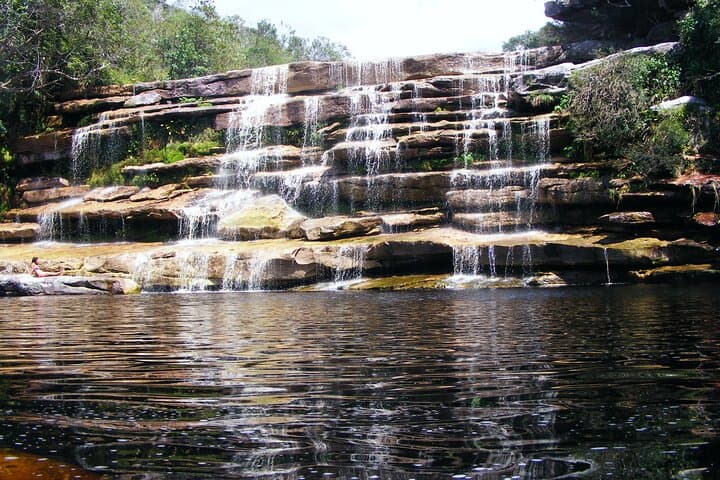
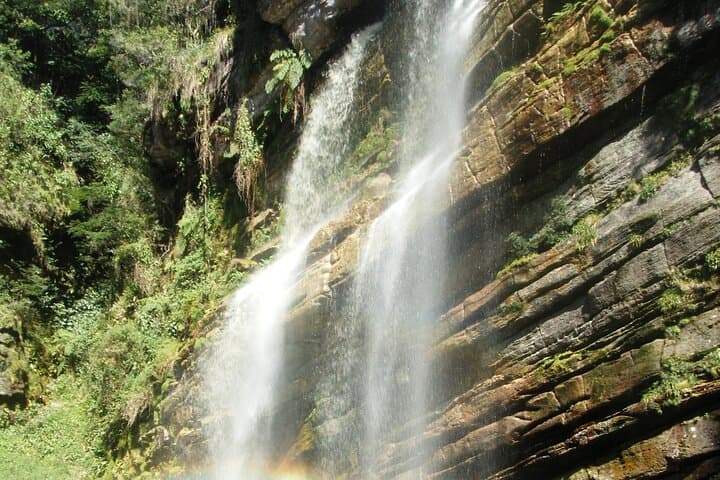
Day one ends in a protected campsite beside a rock pool under Capivari Waterfall; the sound of falling water sets the rhythm for drying gear and cooking over a small stove. Day two threads the narrow Mixila Canyon—walls thick with native flowers—and finishes at the Mixila Waterfall, where a deep, cool plunge pool rewards the 33 km of trekking.
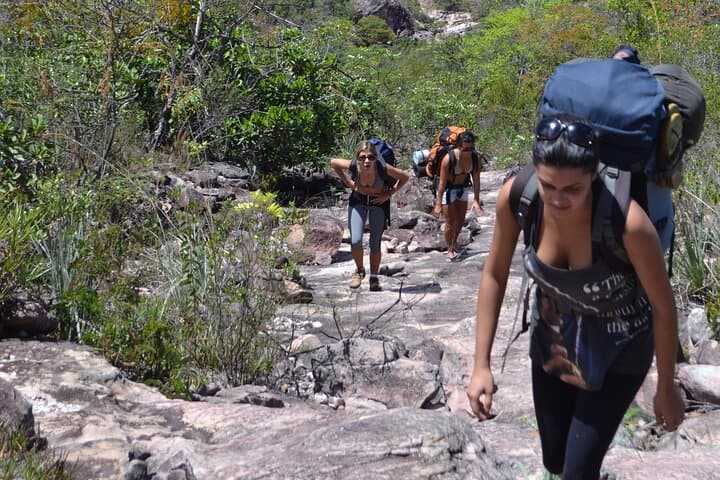
Practical edge: this is an advanced trek—expect about 7 hours of walking per day, varied terrain, and river crossings. Guides supply tents, sleeping bags and food, but bring sturdy boots, layered clothing, a headlamp, and reliable water treatment. Start early to avoid midday heat, respect fragile canyon vegetation, and be prepared for sudden tropical showers during the rainy months. The route is remote; good fitness, careful packing, and attention to hygiene and Leave No Trace practices make this two-day mix of canyon, waterfall and history a sharply rewarding experience.
challenging.
2 days (about 48 hours).
High level of aerobic fitness and endurance; comfortable with 6–8 hours of walking on consecutive days and some scrambling.
Yes—tents, sleeping bags and insulating pads are included, but bring a personal liner and pillow for comfort if you prefer.
The tour requires a minimum of two people per booking; contact the operator before purchase if traveling solo—they may be able to match you with another group.
Expect shallow to medium-depth crossings and narrow canyon walking; the route includes uneven footing and occasional scrambling but no technical rope work.
All sales are final per the operator—no refunds for cancellations; confirmations are instant but trips may be canceled if minimum participants aren't met.
The Serra do Bode region carries vestiges of 19th-century diamond mining—old terraces and pits intersect trekking routes and provide context for local settlement patterns.
Chapada Diamantina is protected but fragile; stick to trails, pack out waste and avoid removing plants or disturbing pool habitats to limit visitor impact.
Zentur operates guided outdoor trips and adventures with an emphasis on safety, stewardship, and memorable experiences.
You push off from Lençóis before dawn, headlights cutting through eucalyptus and cerrado as the van climbs toward the Capivara River trailhead. The first steps are steep—Serra do Bode pulls you up over old diamond fields where pits and terraces still scar the slopes—then the route eases into a ribbon of shade that narrows into canyon.
You push off from Lençóis before dawn, headlights cutting through eucalyptus and cerrado as the van climbs toward the Capivara River trailhead. The first steps are steep—Serra do Bode pulls you up over old diamond fields where pits and terraces still scar the slopes—then the route eases into a ribbon of shade that narrows into canyon.
Geology here is honest and exposed: sandstone walls gouged by seasonal floods create slot-like passages where orchids and bromeliads colonize vertical pockets. Cultural traces of 19th-century diamond extraction sit interleaved with the landscape, a reminder that these valleys supported boom-and-bust lives long before the park’s protections.
Day one ends in a protected campsite beside a rock pool under Capivari Waterfall; the sound of falling water sets the rhythm for drying gear and cooking over a small stove. Day two threads the narrow Mixila Canyon—walls thick with native flowers—and finishes at the Mixila Waterfall, where a deep, cool plunge pool rewards the 33 km of trekking.
Practical edge: this is an advanced trek—expect about 7 hours of walking per day, varied terrain, and river crossings. Guides supply tents, sleeping bags and food, but bring sturdy boots, layered clothing, a headlamp, and reliable water treatment. Start early to avoid midday heat, respect fragile canyon vegetation, and be prepared for sudden tropical showers during the rainy months. The route is remote; good fitness, careful packing, and attention to hygiene and Leave No Trace practices make this two-day mix of canyon, waterfall and history a sharply rewarding experience.