THE ADVENTURE COLLECTIVE® · Independent discovery and booking for outdoor travel

Two days of concentrated East African wildlife viewing: Tarangire’s river plains and the vast natural enclosure of Ngorongoro Crater. Ideal for travelers on tight schedules who want reliable big-game sightings plus cultural contact en route.
Two days of concentrated East African wildlife viewing: Tarangire’s river plains and the vast natural enclosure of Ngorongoro Crater. Ideal for travelers on tight schedules who want reliable big-game sightings plus cultural contact en route.
You step out before dawn in Arusha and the Land Cruiser waits with a low hum—headlights cutting through humid air, drivers swapping soft updates on spoor and waterholes. By the time the sun lifts, Tarangire’s riverbanks are a theater: elephants threading between fever trees, impalas frozen at the water’s edge, and acacia skeins framing the plain like stage wings.
Verified experiences and guided adventures in the surrounding area.
Operated by everlasting african adventure · Arusha, Arusha Region
You step out before dawn in Arusha and the Land Cruiser waits with a low hum—headlights cutting through humid air, drivers swapping soft updates on spoor and waterholes. By the time the sun lifts, Tarangire’s riverbanks are a theater: elephants threading between fever trees, impalas frozen at the water’s edge, and acacia skeins framing the plain like stage wings.
This two-day midrange safari moves fast but deliberately. Tarangire’s geology—ancient river terraces and seasonal floodplains—creates concentrated grazing that draws huge herds in the dry months. Ngorongoro, by contrast, is a volcanic caldera with 600-meter walls; its compact ecosystem has sheltered humans and wildlife for millennia and preserves an unusual density of species on a relatively small floor.
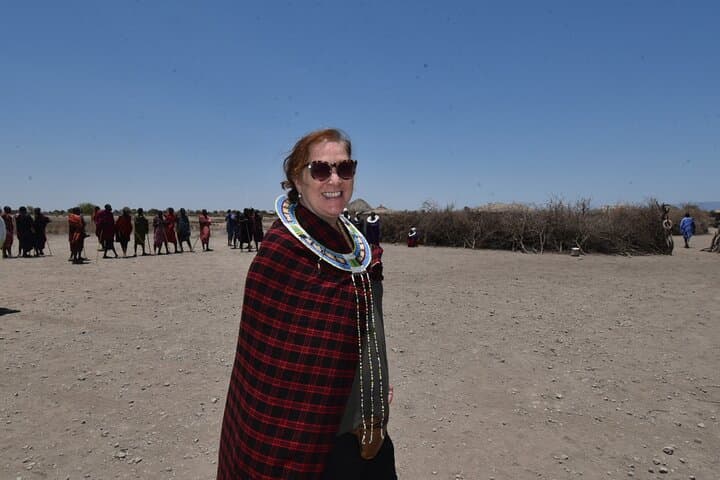
Culturally, the route threads past Maasai villages and the bustling market at Mto wa Mbu, where crop diversity and small-scale crafts reflect highland irrigation and lake-edge soils. Expect guides to weave natural history with community notes: grazing patterns, livestock corridors, and the delicate balance between tourism revenue and local livelihoods.
Practical guidance: travel light in soft luggage, bring binoculars, and favor early starts—the best sightings come at first light and again near dusk. Vehicles are shared but roomy; game drives typically run 4–6 hours each day with picnic lunches. Park fees and entrance times are fixed, so carry printed or mobile confirmation and a valid passport. Hydrate in the heat, keep cameras ready for sudden movement, and remember that these landscapes are living systems—watch, photograph, and leave footprints on the seat, not the grass.
easy.
2 days.
Suitable for travelers in basic fitness—most time is spent seated in a vehicle with short walks at lodges or viewpoints.
Shared tours typically limit vehicles to about 6–7 passengers so everyone has window access; exact numbers depend on booking.
Park entrance fees are usually included in midrange safari packages, but confirm on booking and carry receipts or confirmations for inspection.
Tarangire and Ngorongoro both host multiple Big Five species; sightings depend on season and luck—Ngorongoro offers higher density, especially for buffalo and lions.
Yes—this itinerary includes one night in Mto wa Mbu/Karatu area accommodations and meals as listed; verify dietary needs when booking.
Ngorongoro formed from a collapsed volcano roughly two to three million years ago; its walls have preserved unique ecological communities and archaeological sites important to human origins research.
Both parks are part of a larger conservation mosaic where tourism funds anti-poaching and community projects, but pressures from livestock grazing and population growth require continued sustainable management.
everlasting african adventure operates guided outdoor trips and adventures with an emphasis on safety, stewardship, and memorable experiences.
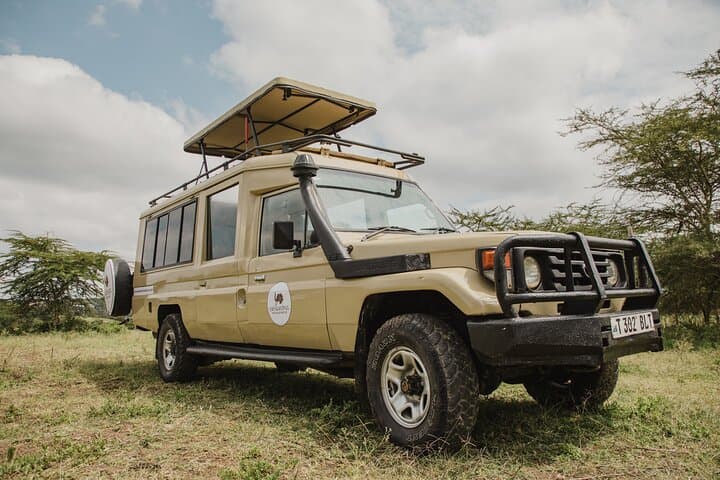
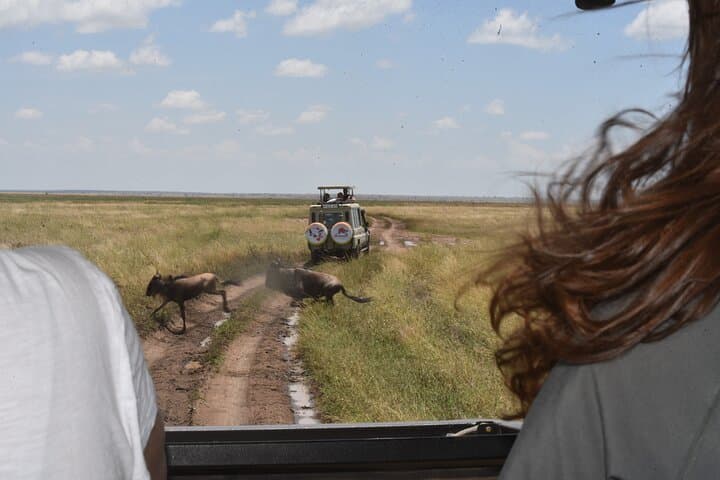
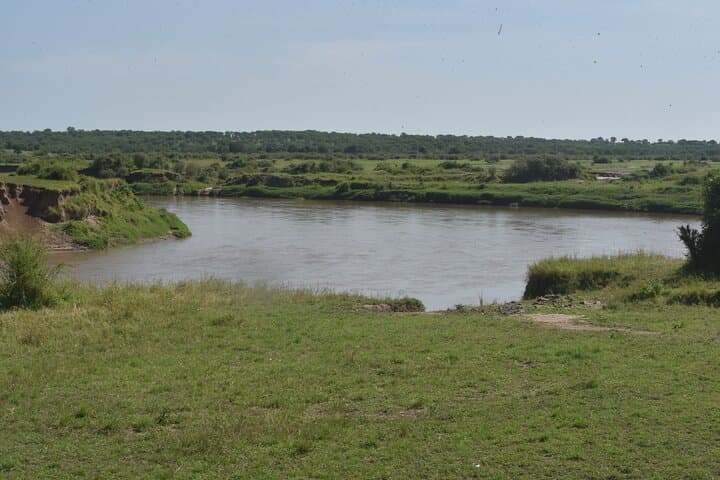
You step out before dawn in Arusha and the Land Cruiser waits with a low hum—headlights cutting through humid air, drivers swapping soft updates on spoor and waterholes. By the time the sun lifts, Tarangire’s riverbanks are a theater: elephants threading between fever trees, impalas frozen at the water’s edge, and acacia skeins framing the plain like stage wings.
You step out before dawn in Arusha and the Land Cruiser waits with a low hum—headlights cutting through humid air, drivers swapping soft updates on spoor and waterholes. By the time the sun lifts, Tarangire’s riverbanks are a theater: elephants threading between fever trees, impalas frozen at the water’s edge, and acacia skeins framing the plain like stage wings.
This two-day midrange safari moves fast but deliberately. Tarangire’s geology—ancient river terraces and seasonal floodplains—creates concentrated grazing that draws huge herds in the dry months. Ngorongoro, by contrast, is a volcanic caldera with 600-meter walls; its compact ecosystem has sheltered humans and wildlife for millennia and preserves an unusual density of species on a relatively small floor.
Culturally, the route threads past Maasai villages and the bustling market at Mto wa Mbu, where crop diversity and small-scale crafts reflect highland irrigation and lake-edge soils. Expect guides to weave natural history with community notes: grazing patterns, livestock corridors, and the delicate balance between tourism revenue and local livelihoods.
Practical guidance: travel light in soft luggage, bring binoculars, and favor early starts—the best sightings come at first light and again near dusk. Vehicles are shared but roomy; game drives typically run 4–6 hours each day with picnic lunches. Park fees and entrance times are fixed, so carry printed or mobile confirmation and a valid passport. Hydrate in the heat, keep cameras ready for sudden movement, and remember that these landscapes are living systems—watch, photograph, and leave footprints on the seat, not the grass.