THE ADVENTURE COLLECTIVE® · Independent discovery and booking for outdoor travel

Cover three premier Maya sites and a swim in a sacred cenote over two full days from Cancún. This combo tour pairs Chichen Itza, Tulum, Coba and Playa del Carmen into an efficient, archaeology-forward itinerary.
Cover three premier Maya sites and a swim in a sacred cenote over two full days from Cancún. This combo tour pairs Chichen Itza, Tulum, Coba and Playa del Carmen into an efficient, archaeology-forward itinerary.
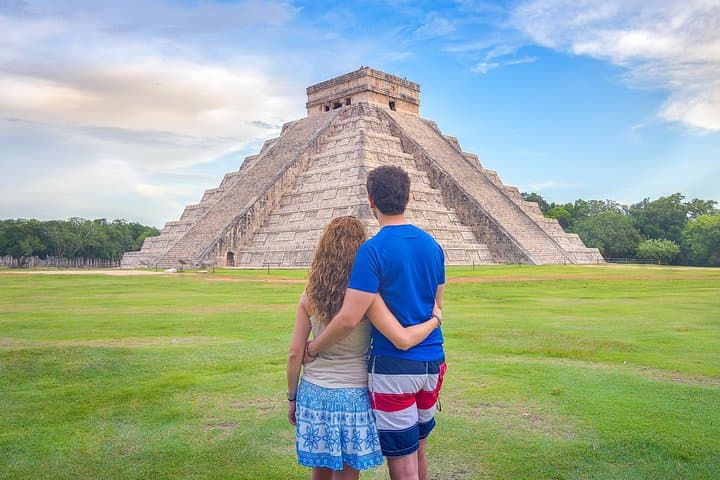
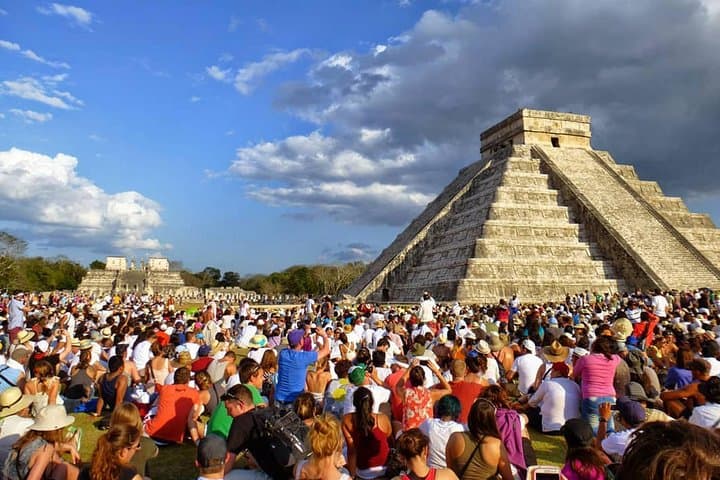
Morning light slices across low limestone, and a coach eases out of Cancún toward a landscape where stone keeps its own calendar. Over two long days you move between exposed plazas and humid jungle paths: Chichen Itza’s stepped pyramid rising from a flat plain, Tulum’s fortifications perched above the Caribbean, and Coba’s Nohoch Mul tower jutting through canopy that seems to push the ruins skyward.
Verified experiences and guided adventures in the surrounding area.
Operated by Mycancuntours · Cancún, Quintana Roo
Morning light slices across low limestone, and a coach eases out of Cancún toward a landscape where stone keeps its own calendar. Over two long days you move between exposed plazas and humid jungle paths: Chichen Itza’s stepped pyramid rising from a flat plain, Tulum’s fortifications perched above the Caribbean, and Coba’s Nohoch Mul tower jutting through canopy that seems to push the ruins skyward.
These sites span centuries of Maya history — Chichen Itza as a regional ceremonial and economic center, Tulum as a late-postclassic coastal trading port, and Coba as a dispersed city linked by sacbeob (white roads). Geologically the peninsula is porous limestone; sinkholes and caverns collapse to form cenotes, pockets of clear freshwater that still supply groundwater and host fragile cave life.
Culturally expect bilingual guides describing astronomy, ritual, and the meaning of carved stelae; local vendors selling handwoven textiles and fresh fruit; and the occasional iguana threading across sun-warmed stones. Conservation rules are strict at major sites: follow ropes, don’t climb restricted monuments, and rinse sunscreen before entering cenotes.
Practical guidance: plan for long days with early starts to avoid midday heat; bring 2–3 liters of water, high-SPF biodegradable sunscreen, a wide-brim hat, sturdy closed-toe shoes, swimwear and a towel for cenote swims. Expect 2–3 hours driving between major stops and short hikes on uneven, sometimes sandy trails. Cash for small purchases and tips is useful. With an active but accessible itinerary, this combo tour marries archaeology, jungle walking, and a refreshing dip in subterranean waters — efficient, sensory, and rooted in the Yucatán’s limestone heart.
moderate.
2 days.
Suitable for travelers in average physical condition able to manage uneven terrain, short stair climbs, and full days of walking.
Yes — entrance fees to Chichen Itza, Tulum and Coba are included in the tour price as stated in the itinerary.
Climbing rules vary: Coba’s Nohoch Mul has historically allowed climbers (with caution), while Chichen Itza and Tulum restrict access; follow staff guidance on the day as rules can change.
Yes — cenote swimming is included; bring swimwear, a towel, and biodegradable sunscreen; some tours provide lockers but bring small cash for towel rentals if needed.
Expect 1–3 hours driving between major stops (Cancún–Chichen Itza ~2–2.5 hours; Cancún–Tulum ~1.5–2 hours); round-trip transfer in air-conditioned vehicles is typically included—confirm pickup point at booking.
The sites reflect different eras of Maya civilization—Chichen Itza as a major ceremonial center, Tulum as a fortified coastal port, and Coba as a dispersed jungle network connected by ancient causeways.
Cenotes and archaeological zones are ecologically sensitive; use biodegradable products, avoid touching carvings, and stay on designated paths to minimize impact.
Mycancuntours operates guided outdoor trips and adventures with an emphasis on safety, stewardship, and memorable experiences.
Morning light slices across low limestone, and a coach eases out of Cancún toward a landscape where stone keeps its own calendar. Over two long days you move between exposed plazas and humid jungle paths: Chichen Itza’s stepped pyramid rising from a flat plain, Tulum’s fortifications perched above the Caribbean, and Coba’s Nohoch Mul tower jutting through canopy that seems to push the ruins skyward.
Morning light slices across low limestone, and a coach eases out of Cancún toward a landscape where stone keeps its own calendar. Over two long days you move between exposed plazas and humid jungle paths: Chichen Itza’s stepped pyramid rising from a flat plain, Tulum’s fortifications perched above the Caribbean, and Coba’s Nohoch Mul tower jutting through canopy that seems to push the ruins skyward.
These sites span centuries of Maya history — Chichen Itza as a regional ceremonial and economic center, Tulum as a late-postclassic coastal trading port, and Coba as a dispersed city linked by sacbeob (white roads). Geologically the peninsula is porous limestone; sinkholes and caverns collapse to form cenotes, pockets of clear freshwater that still supply groundwater and host fragile cave life.
Culturally expect bilingual guides describing astronomy, ritual, and the meaning of carved stelae; local vendors selling handwoven textiles and fresh fruit; and the occasional iguana threading across sun-warmed stones. Conservation rules are strict at major sites: follow ropes, don’t climb restricted monuments, and rinse sunscreen before entering cenotes.
Practical guidance: plan for long days with early starts to avoid midday heat; bring 2–3 liters of water, high-SPF biodegradable sunscreen, a wide-brim hat, sturdy closed-toe shoes, swimwear and a towel for cenote swims. Expect 2–3 hours driving between major stops and short hikes on uneven, sometimes sandy trails. Cash for small purchases and tips is useful. With an active but accessible itinerary, this combo tour marries archaeology, jungle walking, and a refreshing dip in subterranean waters — efficient, sensory, and rooted in the Yucatán’s limestone heart.