THE ADVENTURE COLLECTIVE® · Independent discovery and booking for outdoor travel

Combine an overnight Cusco stay with a cloud‑forest train to Machu Picchu and a high‑altitude hike to Rainbow Mountain. This two‑day loop balances archaeological sightseeing with a challenging alpine ascent.
Combine an overnight Cusco stay with a cloud‑forest train to Machu Picchu and a high‑altitude hike to Rainbow Mountain. This two‑day loop balances archaeological sightseeing with a challenging alpine ascent.
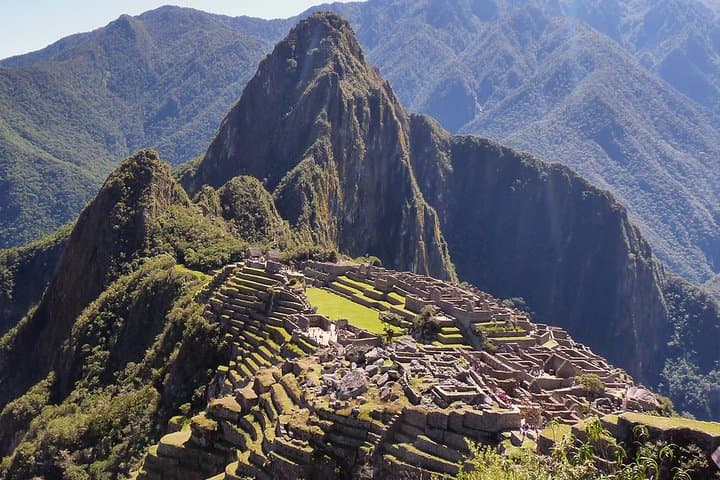
Before sunrise the highland air bites and the city of Cusco holds its last stars. On day one you slide down the Urubamba Valley by road and train, trading Andean skyline for the humid green of the cloud forest; by midmorning you climb the stone plazas of Machu Picchu, where terraces and temples reveal Inca engineering shaped by steep slopes and flowing mountain water.
Verified experiences and guided adventures in the surrounding area.
Operated by CrossoverPeru Tours · Cusco, Cusco Region
Before sunrise the highland air bites and the city of Cusco holds its last stars. On day one you slide down the Urubamba Valley by road and train, trading Andean skyline for the humid green of the cloud forest; by midmorning you climb the stone plazas of Machu Picchu, where terraces and temples reveal Inca engineering shaped by steep slopes and flowing mountain water.
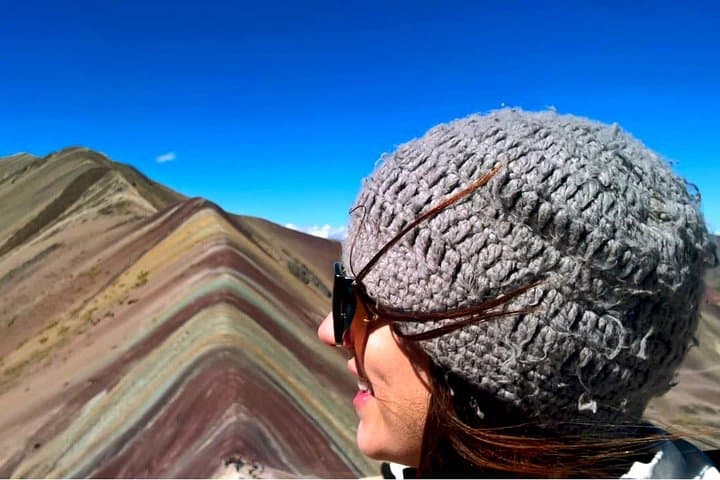
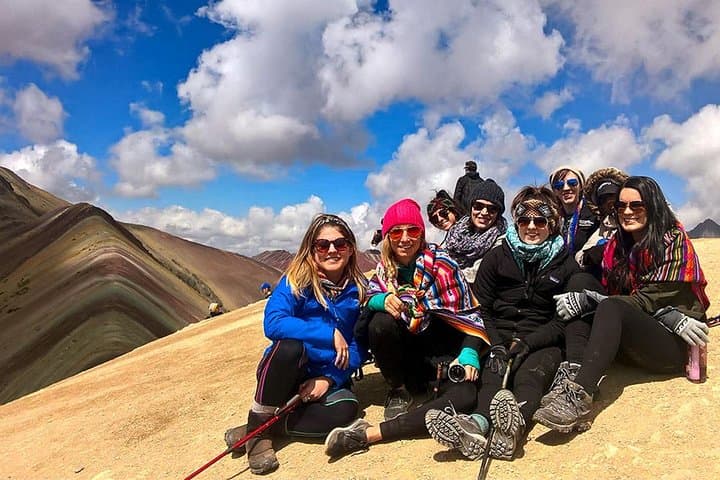
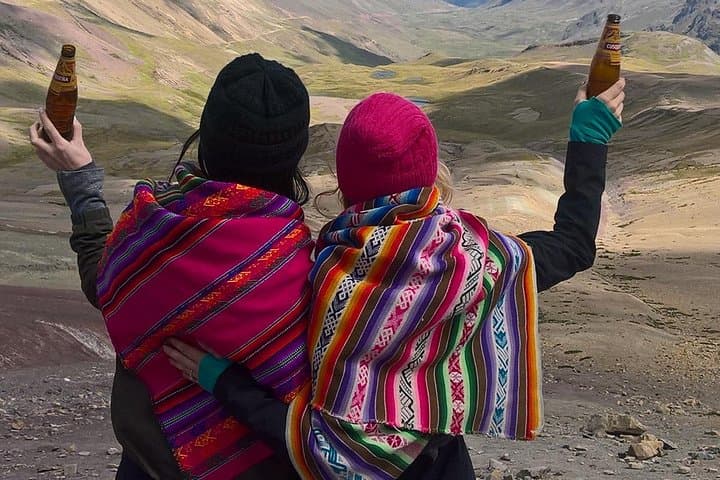
The next day is higher and rawer: Vinicunca, the so‑called Rainbow Mountain, rises above 5,000 m with banded mineral stripes formed by iron oxides, clays and copper minerals exposed through glacial and weathering processes. Local Quechua communities maintain pastoral traditions here — llamas graze and alpaca textiles appear at roadside stalls — and guides explain both Inca history and contemporary life on the puna.
Expect two different kinds of walking: Machu Picchu is a guided archaeological circuit over irregular stone paths (altitude ~2,430 m), while Rainbow Mountain is a steep 2–3 hour out‑and‑up trek from the trailhead, with exposed, rocky terrain and significant altitude gain.
Practical guidance: acclimatize in Cusco for at least 24–48 hours if possible, hydrate and pace the Rainbow ascent, layer for sun and high‑elevation wind, and carry cash for small purchases in Aguas Calientes and at trail markets. The itinerary uses an overnight in Cusco, round‑trip train and bus transfers to Machu Picchu, and includes a trekking pole and emergency oxygen. Plan photography windows early and late in the day to avoid crowds and midday weather shifts.
challenging.
2 days (active hiking ~6–8 hours total).
Good cardiovascular fitness and prior hiking at altitude recommended; be prepared for steep, sustained climbs.
Yes—plan 24–48 hours in Cusco to adjust to ~3,400 m; longer if you feel symptoms of altitude sickness.
The itinerary includes Machu Picchu entrance, round‑trip train and bus to Machu Picchu, and hotel pickup/drop‑off as listed in the inclusions.
The ascent from the trailhead is typically 2–2.5 hours one way with sections of steep climbing above 4,800 m; expect thin air and short, steady breaks.
Not recommended for very young children, pregnant travelers, or people with serious cardiovascular or spinal conditions due to altitude and trail conditions.
Machu Picchu is a 15th‑century Inca citadel built along ridgelines using precise stonework; Rainbow Mountain’s colorful strata are the result of millions of years of sedimentation and glacial sculpting.
High visitor numbers have strained trails and fragile puna vegetation; stick to marked paths, avoid littering, and use local guides who contribute to sustainable tourism initiatives.
CrossoverPeru Tours operates guided outdoor trips and adventures with an emphasis on safety, stewardship, and memorable experiences.
Before sunrise the highland air bites and the city of Cusco holds its last stars. On day one you slide down the Urubamba Valley by road and train, trading Andean skyline for the humid green of the cloud forest; by midmorning you climb the stone plazas of Machu Picchu, where terraces and temples reveal Inca engineering shaped by steep slopes and flowing mountain water.
Before sunrise the highland air bites and the city of Cusco holds its last stars. On day one you slide down the Urubamba Valley by road and train, trading Andean skyline for the humid green of the cloud forest; by midmorning you climb the stone plazas of Machu Picchu, where terraces and temples reveal Inca engineering shaped by steep slopes and flowing mountain water.
The next day is higher and rawer: Vinicunca, the so‑called Rainbow Mountain, rises above 5,000 m with banded mineral stripes formed by iron oxides, clays and copper minerals exposed through glacial and weathering processes. Local Quechua communities maintain pastoral traditions here — llamas graze and alpaca textiles appear at roadside stalls — and guides explain both Inca history and contemporary life on the puna.
Expect two different kinds of walking: Machu Picchu is a guided archaeological circuit over irregular stone paths (altitude ~2,430 m), while Rainbow Mountain is a steep 2–3 hour out‑and‑up trek from the trailhead, with exposed, rocky terrain and significant altitude gain.
Practical guidance: acclimatize in Cusco for at least 24–48 hours if possible, hydrate and pace the Rainbow ascent, layer for sun and high‑elevation wind, and carry cash for small purchases in Aguas Calientes and at trail markets. The itinerary uses an overnight in Cusco, round‑trip train and bus transfers to Machu Picchu, and includes a trekking pole and emergency oxygen. Plan photography windows early and late in the day to avoid crowds and midday weather shifts.