THE ADVENTURE COLLECTIVE® · Independent discovery and booking for outdoor travel

A compact two-day itinerary takes you from Cusco by train to Aguas Calientes and up to Machu Picchu at sunrise. Expect cloud-forest scenery, a guided tour of the citadel, and practical tips for tickets, altitude and weather.
A compact two-day itinerary takes you from Cusco by train to Aguas Calientes and up to Machu Picchu at sunrise. Expect cloud-forest scenery, a guided tour of the citadel, and practical tips for tickets, altitude and weather.
Morning mist clings to terraces as the tourist train carves a silver seam through the Andes, carrying you from Cusco to the steamy valley below Machu Picchu. Aguas Calientes hums with last-minute preparations—hot springs steaming, craft stalls, and the stair that climbs into the citadel waiting.
Verified experiences and guided adventures in the surrounding area.
Operated by Mega Expeditions · Aguas Calientes (Machupicchu Pueblo), Cusco
Morning mist clings to terraces as the tourist train carves a silver seam through the Andes, carrying you from Cusco to the steamy valley below Machu Picchu. Aguas Calientes hums with last-minute preparations—hot springs steaming, craft stalls, and the stair that climbs into the citadel waiting.
The stone city is perched on folded geology where volcanic and sedimentary layers meet, and the Incas forged terraces into steep slopes in the 1400s. Local Quechua traditions still thread through guide narratives: place names tied to agricultural cycles, seasonal rituals, and the solar alignments visible in the Temple of the Sun. The route from Ollantaytambo follows the Urubamba River gorge, a corridor of waterfalls, orchid-rich cloud forest and scattered archeological sites that hint at the classic Inca Trail network.
Practically, the program begins with a morning transport from Cusco to Ollantaytambo and a scenic train to Aguas Calientes, a hotel night with dinner, then a pre-dawn 40-minute ascent to catch sunrise at Machu Picchu. Guided exploration lasts about two hours before independent time to visit the Intihuatana, Guardhouse viewpoint or simply watch llamas graze on terraces.
Plan ahead: entrances and trains sell out—book at least months in advance for peak season. Expect steep stone steps, uneven paths and sudden weather shifts; layers and non-slip footwear matter. Hydrate for altitude, carry biodegradable waste bags, and follow site rules: stay on marked paths, respect restricted zones and avoid single-use plastics. With sensible preparation this two-day rail option delivers high-quality meals, a comfortable overnight, and direct access to one of the Andes’ most iconic ancient sites.
moderate.
2 days.
Light-to-moderate fitness; able to manage a 40-minute steep ascent, stairs and several hours of walking at altitude.
Yes. Entrance tickets and timed slots are limited and should be purchased in advance—many operators recommend booking months ahead for peak periods.
The climb to the entrance takes about 30–50 minutes on steep stone steps; it’s manageable for most people with moderate fitness but can be tiring at altitude.
Typical inclusions are round-trip transport from Cusco to Ollantaytambo, train to Aguas Calientes, one night hotel, meals indicated (dinner and breakfast), professional guide, and Machu Picchu entrance as described.
Those additional hikes require separate permits and timed entries; book them well in advance and confirm availability with the operator before departure.
Machu Picchu was constructed by the Inca around the mid-15th century and functioned as an administrative and ceremonial site linked to the Sacred Valley network.
Visitor limits, timed entry and strict trail rules aim to protect fragile terraces and archaeological fabric—follow leave-no-trace practices and avoid straying from marked routes.
Mega Expeditions operates guided outdoor trips and adventures with an emphasis on safety, stewardship, and memorable experiences.
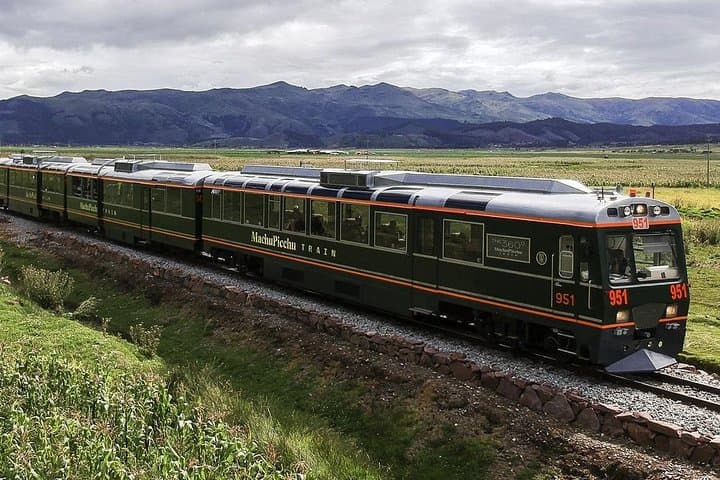
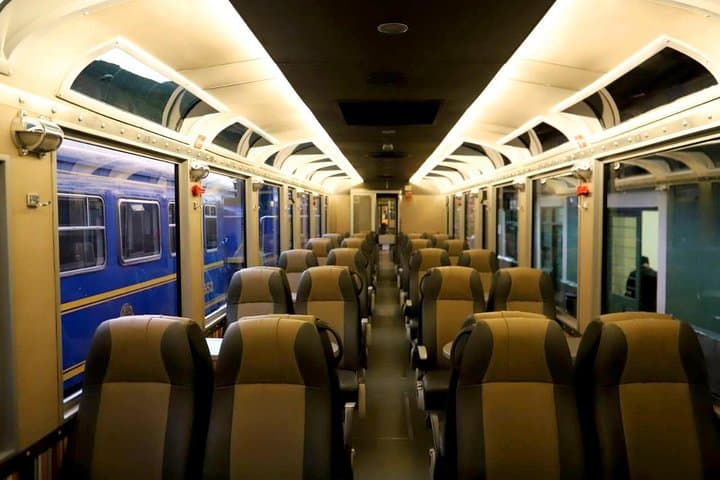
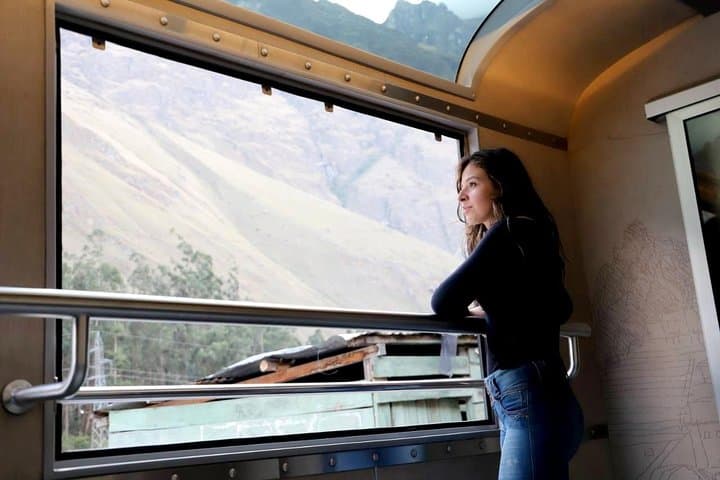
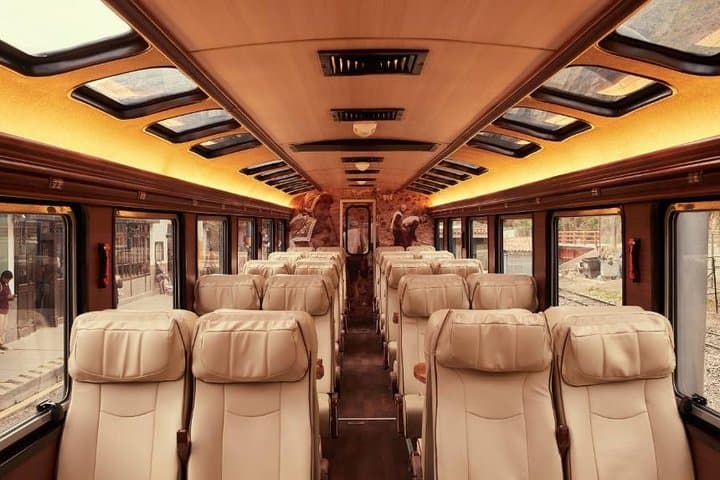
Morning mist clings to terraces as the tourist train carves a silver seam through the Andes, carrying you from Cusco to the steamy valley below Machu Picchu. Aguas Calientes hums with last-minute preparations—hot springs steaming, craft stalls, and the stair that climbs into the citadel waiting.
Morning mist clings to terraces as the tourist train carves a silver seam through the Andes, carrying you from Cusco to the steamy valley below Machu Picchu. Aguas Calientes hums with last-minute preparations—hot springs steaming, craft stalls, and the stair that climbs into the citadel waiting.
The stone city is perched on folded geology where volcanic and sedimentary layers meet, and the Incas forged terraces into steep slopes in the 1400s. Local Quechua traditions still thread through guide narratives: place names tied to agricultural cycles, seasonal rituals, and the solar alignments visible in the Temple of the Sun. The route from Ollantaytambo follows the Urubamba River gorge, a corridor of waterfalls, orchid-rich cloud forest and scattered archeological sites that hint at the classic Inca Trail network.
Practically, the program begins with a morning transport from Cusco to Ollantaytambo and a scenic train to Aguas Calientes, a hotel night with dinner, then a pre-dawn 40-minute ascent to catch sunrise at Machu Picchu. Guided exploration lasts about two hours before independent time to visit the Intihuatana, Guardhouse viewpoint or simply watch llamas graze on terraces.
Plan ahead: entrances and trains sell out—book at least months in advance for peak season. Expect steep stone steps, uneven paths and sudden weather shifts; layers and non-slip footwear matter. Hydrate for altitude, carry biodegradable waste bags, and follow site rules: stay on marked paths, respect restricted zones and avoid single-use plastics. With sensible preparation this two-day rail option delivers high-quality meals, a comfortable overnight, and direct access to one of the Andes’ most iconic ancient sites.