THE ADVENTURE COLLECTIVE® · Independent discovery and booking for outdoor travel

Fly from Cairo for a concentrated two-day tour of Luxor’s monumental highlights. Visit Karnak, the Valley of the Kings, Hatshepsut’s terraces, Dendera and Medinet Habu with guides, an overnight hotel stay, and domestic flights included.
Fly from Cairo for a concentrated two-day tour of Luxor’s monumental highlights. Visit Karnak, the Valley of the Kings, Hatshepsut’s terraces, Dendera and Medinet Habu with guides, an overnight hotel stay, and domestic flights included.
You step off the late-morning flight into a sky that seems to sit lower here, the Nile slicing the desert in green and the city’s stone rising in ochre bands. Temple columns throw long shadows; the river dares you to slow down and listen to a landscape that has carried pilgrims, traders and pharaohs for millennia.
Verified experiences and guided adventures in the surrounding area.
Operated by This Is Egypt Aswan · Luxor, Luxor Governorate
You step off the late-morning flight into a sky that seems to sit lower here, the Nile slicing the desert in green and the city’s stone rising in ochre bands. Temple columns throw long shadows; the river dares you to slow down and listen to a landscape that has carried pilgrims, traders and pharaohs for millennia.
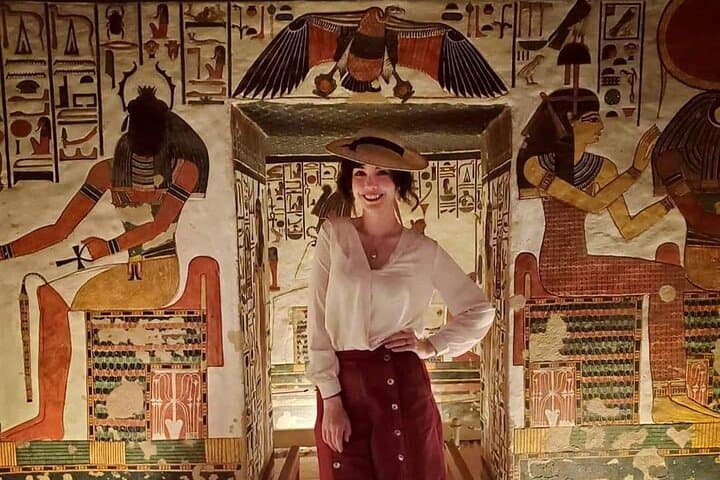
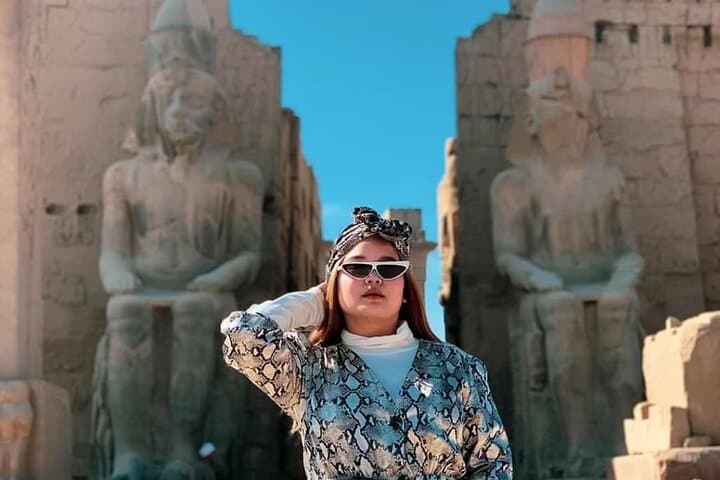
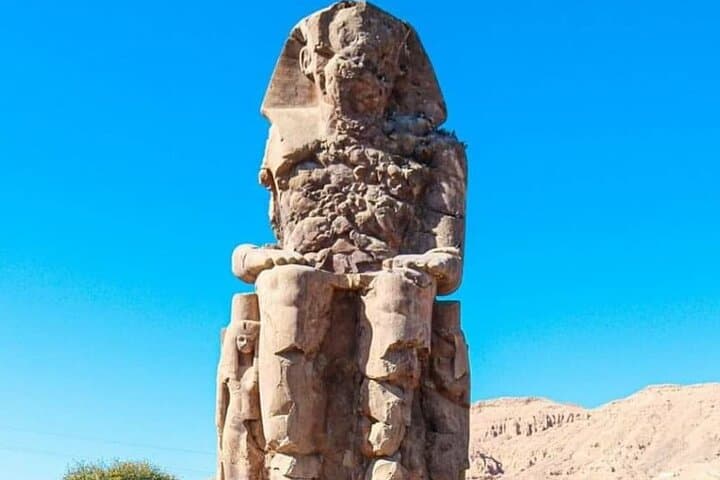
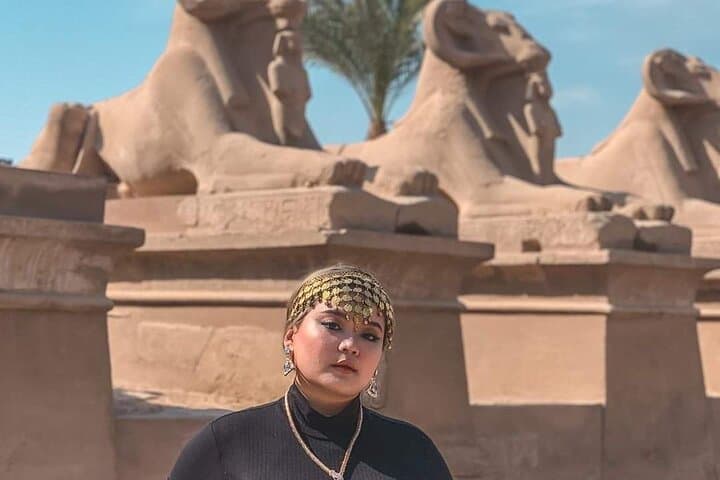
The tour threads through Egypt’s cultural heart: Karnak’s Hypostyle Hall — a forest of sandstone pillars carved and re-carved across dynasties — Luxor Temple’s processional axis, the twin Colossi of Memnon, and the rock-cut tombs of the Valley of the Kings where layered limestone and sandstone hold painted chambers sealed for the afterlife. On day two you cross for Dendera’s well-preserved Temple of Hathor and the fortified mortuary complex of Medinet Habu, each site reflecting shifting religious and political centers along the Nile floodplain.
This is more than sightseeing; it’s an encounter with engineered stone and riverine geology shaped by annual floods, and a living city whose markets and modern hotels sit beside ancient stones. Expect several hours of walking on packed sand, paved avenues and stepped ramps, plus short drives between sites.
Practical: domestic flights Cairo–Luxor–Cairo, one night hotel with meals, bottled water and an Egyptologist guide are included. Wear sturdy walking shoes, sun protection and comfortable, respectful clothing. Carry photocopies of travel documents, small local currency for tips, and plan for early starts to avoid the heat. Timing your visit for cooler months improves comfort and light for photos.
easy.
2 days (approx. 48 hours).
Suitable for most fitness levels; expect several hours of walking and brief climbs into tombs and temple terraces.
Yes — round-trip domestic flights Cairo–Luxor–Cairo are included in the tour price.
Entrance fees for listed monuments and a qualified Egyptologist guide are included per the itinerary.
One night’s accommodation at a 4-star hotel with breakfast and dinner (half board) is included; hotel may be substituted with similar-category options if necessary.
Luxor (ancient Thebes) was a political and religious capital for New Kingdom pharaohs; its temples and tombs were expanded over centuries by successive rulers.
Preservation focuses on managing visitor impact, controlling erosion around tomb entrances and limiting flash photography in sensitive painted chambers.
This Is Egypt Aswan operates guided outdoor trips and adventures with an emphasis on safety, stewardship, and memorable experiences.
You step off the late-morning flight into a sky that seems to sit lower here, the Nile slicing the desert in green and the city’s stone rising in ochre bands. Temple columns throw long shadows; the river dares you to slow down and listen to a landscape that has carried pilgrims, traders and pharaohs for millennia.
You step off the late-morning flight into a sky that seems to sit lower here, the Nile slicing the desert in green and the city’s stone rising in ochre bands. Temple columns throw long shadows; the river dares you to slow down and listen to a landscape that has carried pilgrims, traders and pharaohs for millennia.
The tour threads through Egypt’s cultural heart: Karnak’s Hypostyle Hall — a forest of sandstone pillars carved and re-carved across dynasties — Luxor Temple’s processional axis, the twin Colossi of Memnon, and the rock-cut tombs of the Valley of the Kings where layered limestone and sandstone hold painted chambers sealed for the afterlife. On day two you cross for Dendera’s well-preserved Temple of Hathor and the fortified mortuary complex of Medinet Habu, each site reflecting shifting religious and political centers along the Nile floodplain.
This is more than sightseeing; it’s an encounter with engineered stone and riverine geology shaped by annual floods, and a living city whose markets and modern hotels sit beside ancient stones. Expect several hours of walking on packed sand, paved avenues and stepped ramps, plus short drives between sites.
Practical: domestic flights Cairo–Luxor–Cairo, one night hotel with meals, bottled water and an Egyptologist guide are included. Wear sturdy walking shoes, sun protection and comfortable, respectful clothing. Carry photocopies of travel documents, small local currency for tips, and plan for early starts to avoid the heat. Timing your visit for cooler months improves comfort and light for photos.