THE ADVENTURE COLLECTIVE® · Independent discovery and booking for outdoor travel

Explore Luxor’s major ancient sites over two days—Valley of the Kings, Karnak, Luxor Temple and more—guided and with transfers included. Ideal for travelers who want curated cultural context without logistics hassle.
Explore Luxor’s major ancient sites over two days—Valley of the Kings, Karnak, Luxor Temple and more—guided and with transfers included. Ideal for travelers who want curated cultural context without logistics hassle.
You arrive before dawn on the Nile’s eastern shore, the air already warm and dust-sweet. The first light grazes the colonnades of Karnak and turns reliefs to low-relief drama; later the West Bank cliffs open like pages revealing tomb entrances scored with hieroglyphs.
Verified experiences and guided adventures in the surrounding area.
Operated by Egypt Best Day Tours · Luxor, Luxor Governorate
You arrive before dawn on the Nile’s eastern shore, the air already warm and dust-sweet. The first light grazes the colonnades of Karnak and turns reliefs to low-relief drama; later the West Bank cliffs open like pages revealing tomb entrances scored with hieroglyphs.
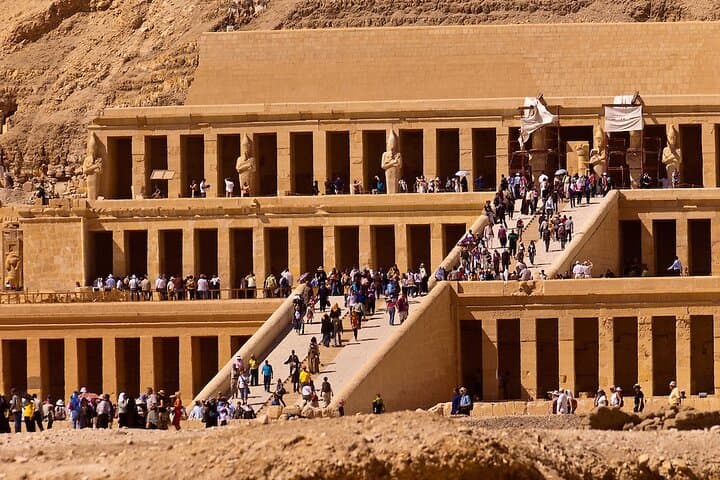
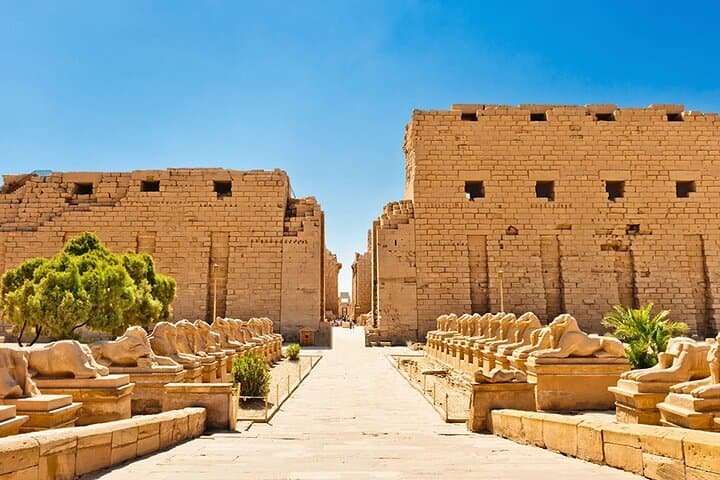
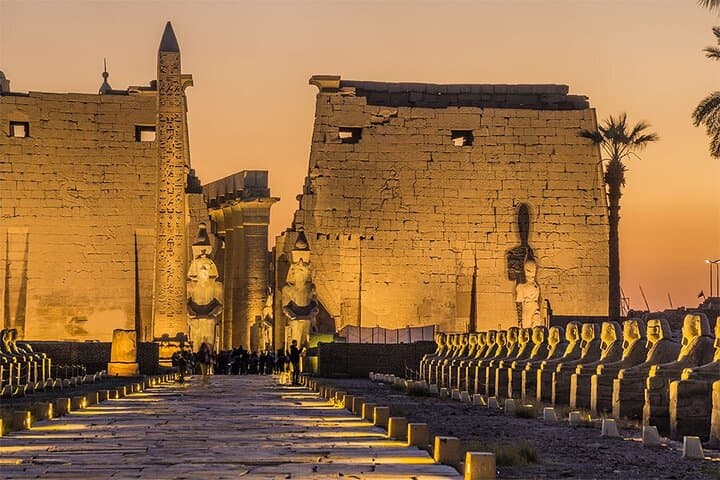
This two-day itinerary stitches Luxor’s major monuments into a manageable loop: Valley of the Kings, Hatshepsut’s terraced mortuary temple at Deir el-Bahari, Medinat Habu and the Colossi of Memnon on the West Bank; Karnak, Luxor Temple and the Luxor Museum on the East. Geologically, the sites are carved from the limestone and sandstone of the Theban Plateau; erosion and human activity have exposed tombs that date primarily to the New Kingdom (c. 1550–1070 BCE).
Culturally, Luxor occupies the footprint of ancient Thebes, once Egypt’s political and religious heart. Local guides interpret royal iconography, funerary practices and the Nile’s role as life-source and transport corridor. Small details—scarab amulets in a museum case, a dawn fisherman silhouetted on the Corniche—make the past feel immediate.
Practically, expect walking on uneven stone, short staircases inside tombs and heat by midday. Bring a hat, sunscreen and a reusable water bottle; plan heavy-site visits for morning and late afternoon when light is best. Admission fees for some tombs are separate; a knowledgeable private guide streamlines logistics and provides cultural context that a map cannot. The rhythm here is deliberate: move with the sun, listen to the stones, and leave space to absorb why Luxor remains one of the world’s most compelling open-air museums.
easy.
2 days (approx. 8–10 hours per day).
Basic walking fitness; able to navigate stairs, short uphill sections and uneven stone surfaces.
Some major sites require separate entrance fees and special tomb tickets (e.g., certain Valley of the Kings tombs); check your booking details—guides typically advise on which tickets to buy.
Many sites have uneven ground, steps and limited wheelchair access; discuss specific mobility needs with the operator before booking to arrange alternatives where possible.
Tipping is customary for guides, drivers and service staff—small notes for day services and a larger amount for private guiding are typical; carry small bills.
Yes—this tour is rated easy and suitable for most ages, but infants must sit on laps during transport and guardians should consider heat and wandering at open sites.
Luxor sits on the site of ancient Thebes, a major religious and political capital of Egypt during the New Kingdom; many surviving monuments date to pharaohs like Ramses II and Hatshepsut.
High visitor numbers put pressure on fragile stone surfaces and pigments—follow guide instructions, avoid touching reliefs and favor reusable water containers to reduce waste.
Egypt Best Day Tours operates guided outdoor trips and adventures with an emphasis on safety, stewardship, and memorable experiences.
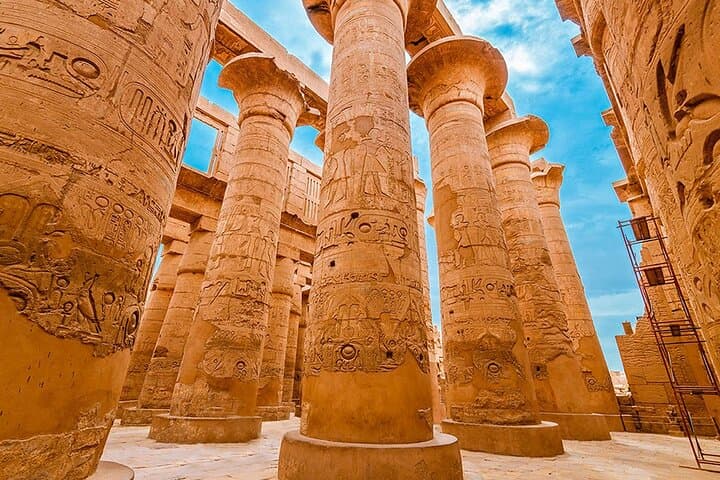
You arrive before dawn on the Nile’s eastern shore, the air already warm and dust-sweet. The first light grazes the colonnades of Karnak and turns reliefs to low-relief drama; later the West Bank cliffs open like pages revealing tomb entrances scored with hieroglyphs.
You arrive before dawn on the Nile’s eastern shore, the air already warm and dust-sweet. The first light grazes the colonnades of Karnak and turns reliefs to low-relief drama; later the West Bank cliffs open like pages revealing tomb entrances scored with hieroglyphs.
This two-day itinerary stitches Luxor’s major monuments into a manageable loop: Valley of the Kings, Hatshepsut’s terraced mortuary temple at Deir el-Bahari, Medinat Habu and the Colossi of Memnon on the West Bank; Karnak, Luxor Temple and the Luxor Museum on the East. Geologically, the sites are carved from the limestone and sandstone of the Theban Plateau; erosion and human activity have exposed tombs that date primarily to the New Kingdom (c. 1550–1070 BCE).
Culturally, Luxor occupies the footprint of ancient Thebes, once Egypt’s political and religious heart. Local guides interpret royal iconography, funerary practices and the Nile’s role as life-source and transport corridor. Small details—scarab amulets in a museum case, a dawn fisherman silhouetted on the Corniche—make the past feel immediate.
Practically, expect walking on uneven stone, short staircases inside tombs and heat by midday. Bring a hat, sunscreen and a reusable water bottle; plan heavy-site visits for morning and late afternoon when light is best. Admission fees for some tombs are separate; a knowledgeable private guide streamlines logistics and provides cultural context that a map cannot. The rhythm here is deliberate: move with the sun, listen to the stones, and leave space to absorb why Luxor remains one of the world’s most compelling open-air museums.