THE ADVENTURE COLLECTIVE® · Independent discovery and booking for outdoor travel

Two days in Luxor compress ancient Egypt’s greatest chapters: dawn balloons over the Nile, Karnak’s colonnades, and the silent tombs of the Valley of the Kings. This concise guide shows what to expect and how to plan smartly for a packed, hands-on cultural visit.
Two days in Luxor compress ancient Egypt’s greatest chapters: dawn balloons over the Nile, Karnak’s colonnades, and the silent tombs of the Valley of the Kings. This concise guide shows what to expect and how to plan smartly for a packed, hands-on cultural visit.
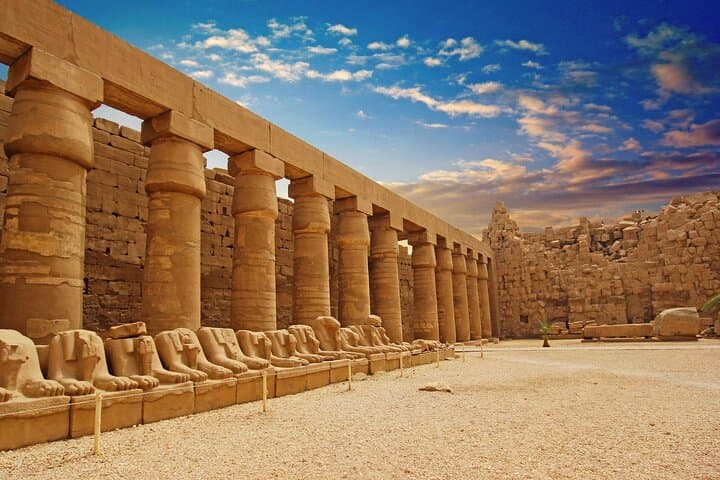
You step off the short flight into a pale desert morning and the Nile already seems to be pulling the city’s story toward itself. On the East Bank, columns throw long shadows across sandstone courts; on the West Bank, cliffs hold the hush of tombs that watched over pharaohs for millennia.
Verified experiences and guided adventures in the surrounding area.
Operated by Egypt Sunny Tours · Luxor, Luxor Governorate
You step off the short flight into a pale desert morning and the Nile already seems to be pulling the city’s story toward itself. On the East Bank, columns throw long shadows across sandstone courts; on the West Bank, cliffs hold the hush of tombs that watched over pharaohs for millennia.
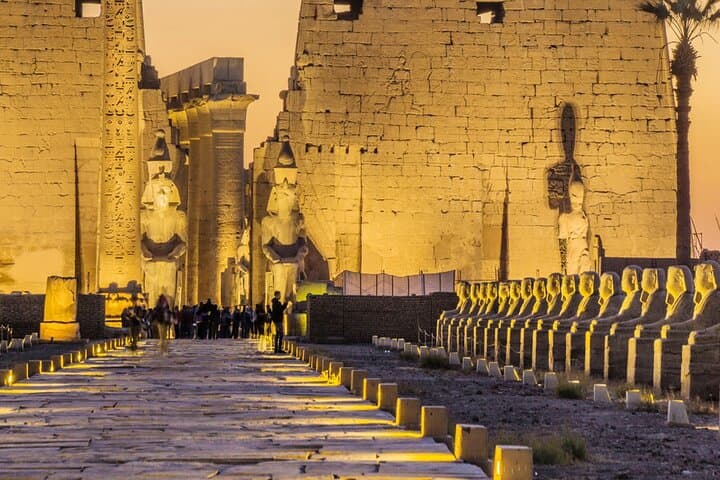
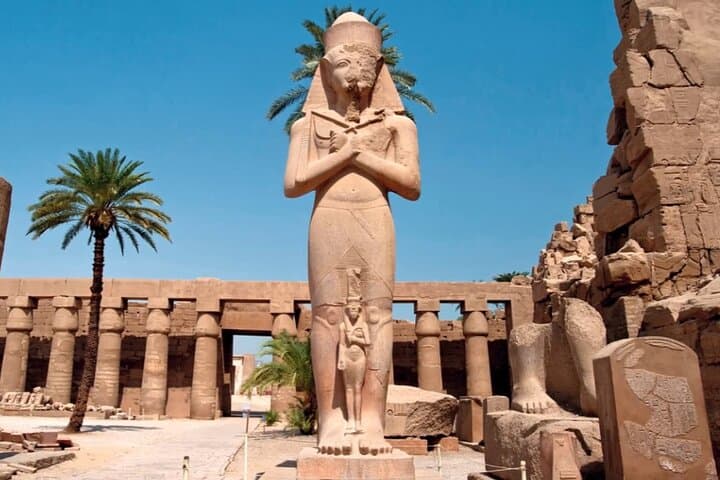
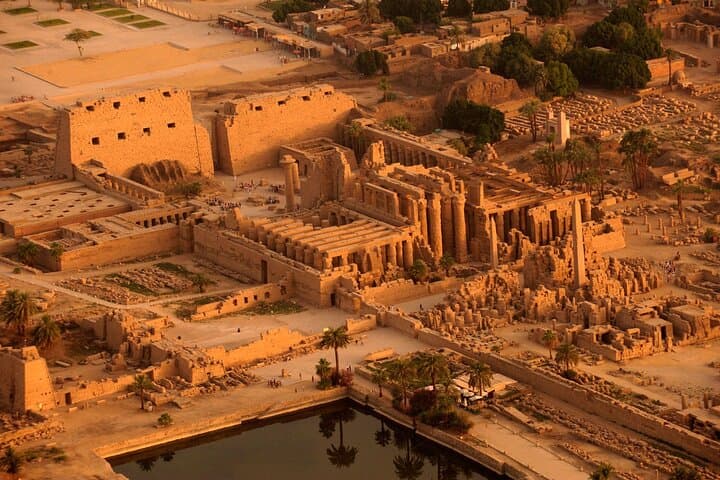
This compact two-day itinerary slices through Luxor’s layered past. Start at Luxor Temple and Karnak — massive mud-brick platforms and limestone pylons built over centuries of pharaonic ambition — then cross the Nile to the Valley of the Kings where painted tombs sigh with ancient rites. Deir el-Bahari (Hatshepsut’s terraced sanctuary) sits carved into cliff face, while the Colossi of Memnon stand like weathered guardians on the plain.
Geologically, Luxor sits on the Nile floodplain and adjacent Eocene and Oligocene limestone cliffs; sand and Nile silt frame the human-made stone. Culturally, the city remains a working Egyptian center — markets, feluccas, and a tourism industry centered on archaeology and hospitality.
Practical guidance: sunrise balloons are worth the alarm — light and calm skies give the best views. Expect a lot of walking on uneven, sometimes sandy surfaces; bring sturdy shoes, sun protection, and small local cash for entry fees, water, and tips. Mornings are cooler and less crowded; schedule major tombs early and reserve time for acclimation.
Accessibility varies: many sites have steps and narrow passages; guided commentary will help decode hieroglyphs and chronology. With two efficient days you’ll leave with a clear sense of Luxor’s skyline — river, temple, cliff — and why this stretch of the Nile shaped ancient power.
moderate.
2 days.
Basic walking fitness required — expect several hours on foot across uneven, sandy, and stepped terrain
Most travelers already have entry clearance for Egypt at arrival; check your nationality’s visa requirements before travel and carry passport details during booking.
This tour notes entrance fees as included for several major sites, but confirm which tombs or optional exhibitions may require extra tickets on site.
Operators set age and weight limits; children can fly but check the provider’s policy and notify guides during booking.
Some areas offer wheelchair-accessible paths, but many tombs and temples have steps or narrow passages—ask the operator about tailored access options.
Luxor was ancient Thebes, capital of Upper Egypt during periods of pharaonic power; the Karnak complex was expanded for more than a millennium.
Tourism pressure and development impact fragile archaeological sites; follow site guidelines, avoid touching reliefs, and use licensed guides to reduce wear.
Egypt Sunny Tours operates guided outdoor trips and adventures with an emphasis on safety, stewardship, and memorable experiences.
You step off the short flight into a pale desert morning and the Nile already seems to be pulling the city’s story toward itself. On the East Bank, columns throw long shadows across sandstone courts; on the West Bank, cliffs hold the hush of tombs that watched over pharaohs for millennia.
You step off the short flight into a pale desert morning and the Nile already seems to be pulling the city’s story toward itself. On the East Bank, columns throw long shadows across sandstone courts; on the West Bank, cliffs hold the hush of tombs that watched over pharaohs for millennia.
This compact two-day itinerary slices through Luxor’s layered past. Start at Luxor Temple and Karnak — massive mud-brick platforms and limestone pylons built over centuries of pharaonic ambition — then cross the Nile to the Valley of the Kings where painted tombs sigh with ancient rites. Deir el-Bahari (Hatshepsut’s terraced sanctuary) sits carved into cliff face, while the Colossi of Memnon stand like weathered guardians on the plain.
Geologically, Luxor sits on the Nile floodplain and adjacent Eocene and Oligocene limestone cliffs; sand and Nile silt frame the human-made stone. Culturally, the city remains a working Egyptian center — markets, feluccas, and a tourism industry centered on archaeology and hospitality.
Practical guidance: sunrise balloons are worth the alarm — light and calm skies give the best views. Expect a lot of walking on uneven, sometimes sandy surfaces; bring sturdy shoes, sun protection, and small local cash for entry fees, water, and tips. Mornings are cooler and less crowded; schedule major tombs early and reserve time for acclimation.
Accessibility varies: many sites have steps and narrow passages; guided commentary will help decode hieroglyphs and chronology. With two efficient days you’ll leave with a clear sense of Luxor’s skyline — river, temple, cliff — and why this stretch of the Nile shaped ancient power.