THE ADVENTURE COLLECTIVE® · Independent discovery and booking for outdoor travel

A two-day guided ascent of Lanín Volcano from Pucón mixes steep araucaria forests, high-camp sunsets and a pre-dawn summit push to 3,776 m. Ideal for fit hikers who want a non-technical yet demanding climb with panoramic views across Chile and Argentina.
A two-day guided ascent of Lanín Volcano from Pucón mixes steep araucaria forests, high-camp sunsets and a pre-dawn summit push to 3,776 m. Ideal for fit hikers who want a non-technical yet demanding climb with panoramic views across Chile and Argentina.
When the bus pulls off the rutted park road and the forest opens, Lanín reveals itself: a conical shoulder of ice and volcanic rock rising above a serrated line of araucaria pines. On this two-day guided ascent from the Puesco sector of Villarrica National Park, hikers trade the warm green of the valley for wind-scoured ridgelines where altitude and exposure shape every step.
Verified experiences and guided adventures in the surrounding area.
Operated by Terra Volcano Pucon · Pucón, La Araucanía
When the bus pulls off the rutted park road and the forest opens, Lanín reveals itself: a conical shoulder of ice and volcanic rock rising above a serrated line of araucaria pines. On this two-day guided ascent from the Puesco sector of Villarrica National Park, hikers trade the warm green of the valley for wind-scoured ridgelines where altitude and exposure shape every step.
The first day is a steady climb through ancient araucaria groves and volcanic scree. Guides set a deliberate pace—short, frequent breaks that let the lungs catch up and the body learn the mountain’s rhythm. Camp is pitched on a high saddle: close enough to watch the sun sink behind neighboring peaks, far enough to feel the raw dark of the night sky press in. The camp’s quiet is held by the mountain; even wind seems to respect the crater’s outline.
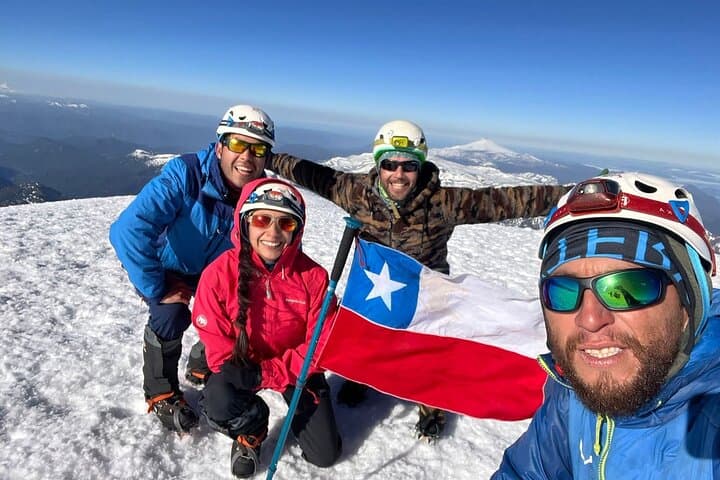
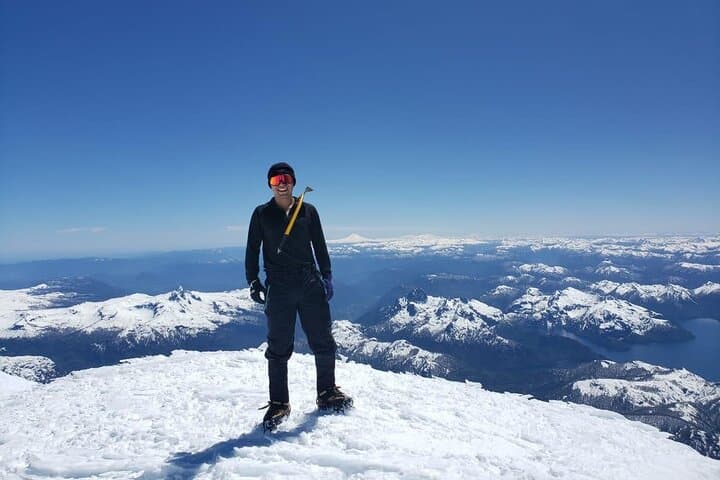
Geologically, Lanín is a stratovolcano formed by repeated eruptions that layered lava and ash into a symmetrical massif straddling Chile and Argentina. From the summit—3,776 meters—travelers can see the cordillera’s string of volcanoes: Villarrica, Osorno, and the distant Tronador, a panorama that explains why Lanín has long been a landmark for Mapuche communities. The mountain carries cultural weight; local guides often point out places where ancestral routes cross the slopes and explain traditional respect for the peak.
The climb is straightforward but unforgiving. Snowfields and steep gullies appear depending on the season; crampon-and-ice-axe technique is used on the upper slopes. The guided program supplies group technical support and camping gear, but personal preparation matters: layered clothing, solid boots and acclimatization are not optional. Weather can flip from bright sun to wind-driven snow in hours, and the last push to the summit is an exercise in timing and efficient respiration.
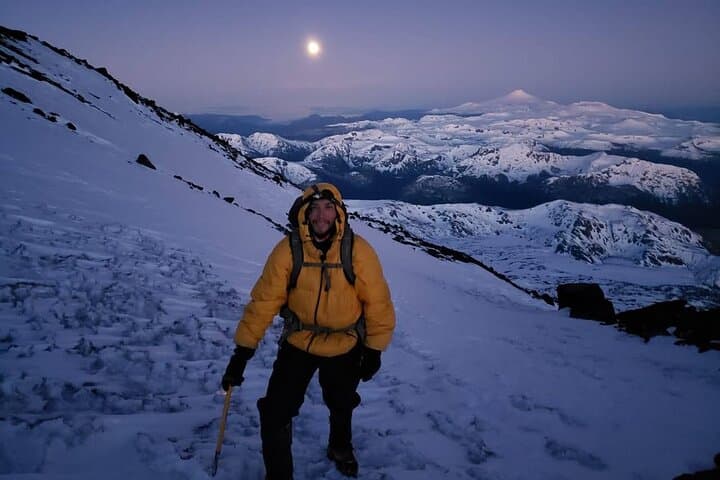
Practical edge: plan acclimatization in Pucón or surrounding lakes for 24–48 hours prior, eat and hydrate deliberately, and know that the most memorable photos—sunset from camp and a cold, clear sunrise on the rim—require early starts and patience.
For adventurers who want a high-altitude climb without glacier crevasse travel, Lanín offers a classic South American summit: rugged, stark, culturally resonant and deeply scenic. It’s a trip that rewards straightforward preparation and respect for weather, while delivering a 360-degree summit that feels earned.
difficult.
2 days (overnight).
Requires high aerobic fitness; comfortable with long days, heavy packs and altitude gain to ~3,776 m.
The route is non-technical but exposed; you’ll need to use crampons and an ice axe on steep snow sections—guides provide instruction and group technical support.
Previous high-altitude hiking experience is strongly recommended; complete beginners should join with a guide and be prepared for a demanding pace.
The operator cancels for unsafe weather and offers a full refund if within the stated policy window; contingency plans include descending early or waiting for a weather window.
Yes—group camping equipment is included, but personal items like sleeping bags and boots are typically your responsibility (confirm rentals with the operator).
Participants must be in excellent cardiovascular health; the tour is not recommended for those with serious heart or spinal conditions, or for pregnant travelers.
Entrance to Villarrica National Park is included in the tour; independent climbers must register with park authorities and pay entrance fees.
Lanín sits on the Chile–Argentina frontier and is culturally significant to Mapuche communities; traditional routes and place names reflect centuries of indigenous presence.
The climb is inside Villarrica National Park; campers should follow leave-no-trace rules, stick to established sites and avoid open fires to protect fragile alpine vegetation.
Terra Volcano Pucon operates guided outdoor trips and adventures with an emphasis on safety, stewardship, and memorable experiences.
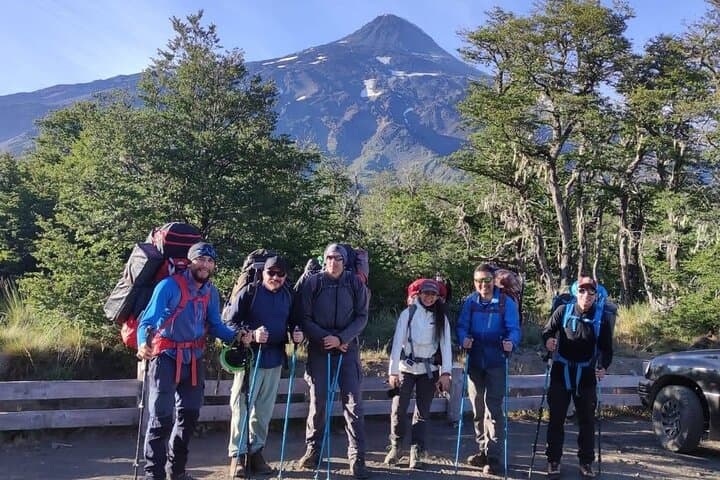
When the bus pulls off the rutted park road and the forest opens, Lanín reveals itself: a conical shoulder of ice and volcanic rock rising above a serrated line of araucaria pines. On this two-day guided ascent from the Puesco sector of Villarrica National Park, hikers trade the warm green of the valley for wind-scoured ridgelines where altitude and exposure shape every step.
When the bus pulls off the rutted park road and the forest opens, Lanín reveals itself: a conical shoulder of ice and volcanic rock rising above a serrated line of araucaria pines. On this two-day guided ascent from the Puesco sector of Villarrica National Park, hikers trade the warm green of the valley for wind-scoured ridgelines where altitude and exposure shape every step.
The first day is a steady climb through ancient araucaria groves and volcanic scree. Guides set a deliberate pace—short, frequent breaks that let the lungs catch up and the body learn the mountain’s rhythm. Camp is pitched on a high saddle: close enough to watch the sun sink behind neighboring peaks, far enough to feel the raw dark of the night sky press in. The camp’s quiet is held by the mountain; even wind seems to respect the crater’s outline.
Geologically, Lanín is a stratovolcano formed by repeated eruptions that layered lava and ash into a symmetrical massif straddling Chile and Argentina. From the summit—3,776 meters—travelers can see the cordillera’s string of volcanoes: Villarrica, Osorno, and the distant Tronador, a panorama that explains why Lanín has long been a landmark for Mapuche communities. The mountain carries cultural weight; local guides often point out places where ancestral routes cross the slopes and explain traditional respect for the peak.
The climb is straightforward but unforgiving. Snowfields and steep gullies appear depending on the season; crampon-and-ice-axe technique is used on the upper slopes. The guided program supplies group technical support and camping gear, but personal preparation matters: layered clothing, solid boots and acclimatization are not optional. Weather can flip from bright sun to wind-driven snow in hours, and the last push to the summit is an exercise in timing and efficient respiration.
Practical edge: plan acclimatization in Pucón or surrounding lakes for 24–48 hours prior, eat and hydrate deliberately, and know that the most memorable photos—sunset from camp and a cold, clear sunrise on the rim—require early starts and patience.
For adventurers who want a high-altitude climb without glacier crevasse travel, Lanín offers a classic South American summit: rugged, stark, culturally resonant and deeply scenic. It’s a trip that rewards straightforward preparation and respect for weather, while delivering a 360-degree summit that feels earned.