THE ADVENTURE COLLECTIVE® · Independent discovery and booking for outdoor travel

Float through reed islands, sleep in a local family home and climb to ancient hilltop temples on Amantani. This two-day Lake Titicaca tour from Puno combines boat crossings, cultural exchange and hands-on textile traditions.
Float through reed islands, sleep in a local family home and climb to ancient hilltop temples on Amantani. This two-day Lake Titicaca tour from Puno combines boat crossings, cultural exchange and hands-on textile traditions.
The motorboat pushes off Puno’s port and the lake immediately takes charge: wind along the hull, a wide silver surface hissing under high-altitude sun. Floating islands of totora reeds appear like patchwork rafts, then the steep, terraced shoulders of Amantani and Taquile rise from the water—each island a small world with songs, stone paths and rooftop views.
Verified experiences and guided adventures in the surrounding area.
Operated by Puno Tours · Puno, Puno
The motorboat pushes off Puno’s port and the lake immediately takes charge: wind along the hull, a wide silver surface hissing under high-altitude sun. Floating islands of totora reeds appear like patchwork rafts, then the steep, terraced shoulders of Amantani and Taquile rise from the water—each island a small world with songs, stone paths and rooftop views.
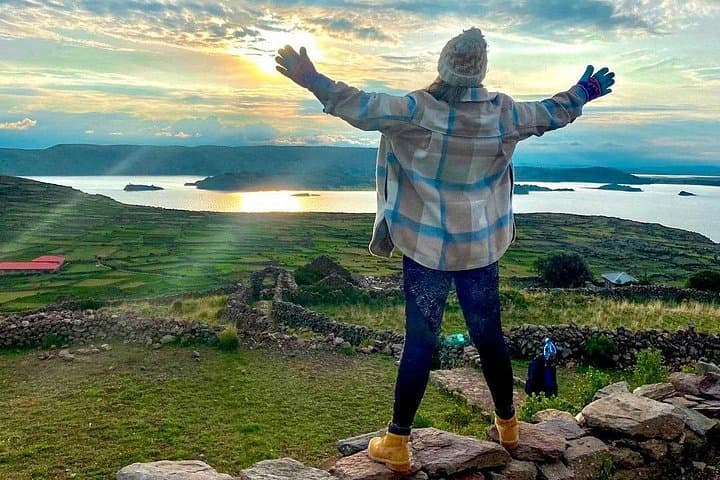
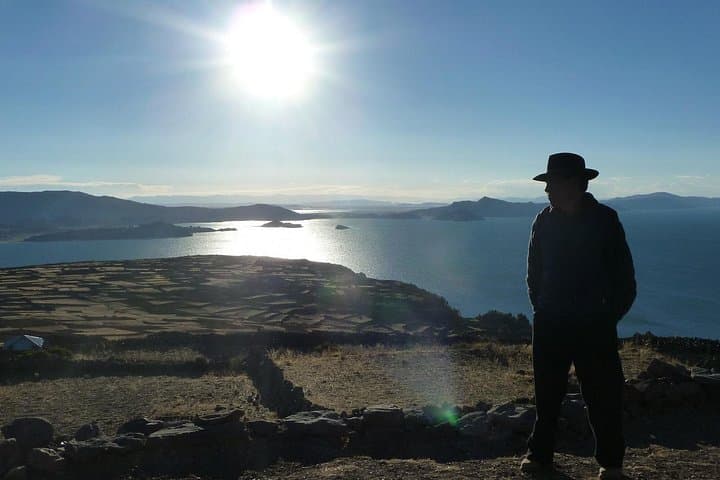
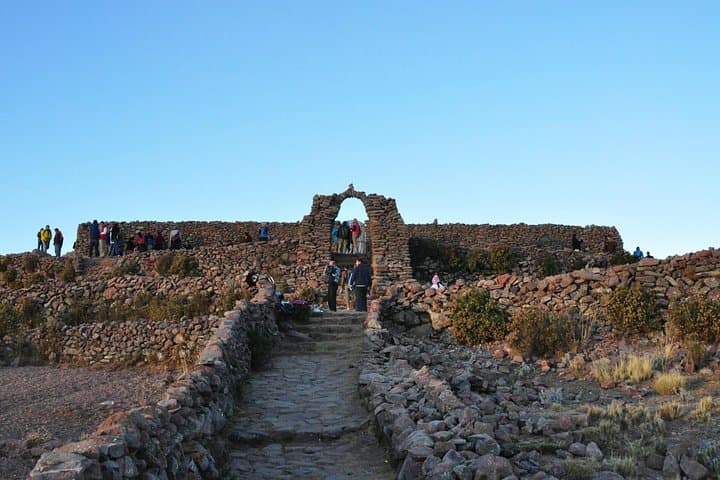
Lake Titicaca sits at roughly 3,812 m (12,500 ft), a high plain where indigenous Aymara and Quechua communities have lived for millennia. Uros islands are man-made reed platforms still maintained with totora; Amantani preserves ancestral temples—Pachatata and Pachatampa—on its twin summits; Taquile is famed for its cooperative textile tradition and daytime terraces that look east across the lake. Geologically, the lake occupies an Andean basin carved by tectonics and glacial action, yielding clear water and strong winds that shape daily life.
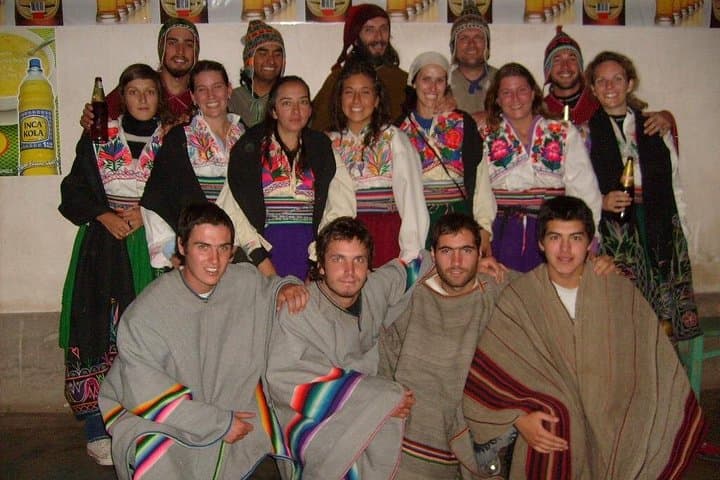
Expect guided cultural exchanges, a homestay night in a local family home with simple private rooms, communal meals, and an evening of music and dance. Walks include short climbs on Amantani (stone paths, 20–40 minutes to viewpoints) and longer stair-like ascents on Taquile (steeper, uneven stone). Boat crossings vary from 30 minutes to about two hours depending on stop sequence and wind.
Practical notes: acclimatize in Puno before departure, pack warm layers and sun protection, carry small cash for crafts and tips, and anticipate basic toilets and limited hot-water availability. The itinerary blends cultural immersion with manageable hiking—bring curiosity and respect, and the islands will repay you with views, textiles, and a memorable sunset over the high lake.
moderate.
2 days.
Participants should be comfortable with 30–90 minute uphill walks at high elevation and able to manage basic homestay conditions.
Lake Titicaca is about 3,812 m (12,500 ft); many visitors feel mild symptoms—headache, shortness of breath. Rest, hydrate, and avoid heavy alcohol the day before.
Homestays are simple private rooms within family houses; facilities are basic (limited hot water in many homes) and meals are communal home-cooked fare.
Yes—Uros and Taquile residents sell reed souvenirs and handwoven textiles; bring soles in small denominations and expect to bargain respectfully.
Most islands have basic pit or flushed toilets and limited potable water; it's wise to carry drinking water and hand sanitizer.
The Uros built floating totora reed islands centuries before the Inca; Amantani and Taquile retain strong Aymara/Quechua traditions including communal land stewardship and textile co-operatives.
Totora reed harvesting and island maintenance are ongoing practices; travelers should avoid trampling reed edges and purchase local crafts to support island economies and conservation.
Puno Tours operates guided outdoor trips and adventures with an emphasis on safety, stewardship, and memorable experiences.
The motorboat pushes off Puno’s port and the lake immediately takes charge: wind along the hull, a wide silver surface hissing under high-altitude sun. Floating islands of totora reeds appear like patchwork rafts, then the steep, terraced shoulders of Amantani and Taquile rise from the water—each island a small world with songs, stone paths and rooftop views.
The motorboat pushes off Puno’s port and the lake immediately takes charge: wind along the hull, a wide silver surface hissing under high-altitude sun. Floating islands of totora reeds appear like patchwork rafts, then the steep, terraced shoulders of Amantani and Taquile rise from the water—each island a small world with songs, stone paths and rooftop views.
Lake Titicaca sits at roughly 3,812 m (12,500 ft), a high plain where indigenous Aymara and Quechua communities have lived for millennia. Uros islands are man-made reed platforms still maintained with totora; Amantani preserves ancestral temples—Pachatata and Pachatampa—on its twin summits; Taquile is famed for its cooperative textile tradition and daytime terraces that look east across the lake. Geologically, the lake occupies an Andean basin carved by tectonics and glacial action, yielding clear water and strong winds that shape daily life.
Expect guided cultural exchanges, a homestay night in a local family home with simple private rooms, communal meals, and an evening of music and dance. Walks include short climbs on Amantani (stone paths, 20–40 minutes to viewpoints) and longer stair-like ascents on Taquile (steeper, uneven stone). Boat crossings vary from 30 minutes to about two hours depending on stop sequence and wind.
Practical notes: acclimatize in Puno before departure, pack warm layers and sun protection, carry small cash for crafts and tips, and anticipate basic toilets and limited hot-water availability. The itinerary blends cultural immersion with manageable hiking—bring curiosity and respect, and the islands will repay you with views, textiles, and a memorable sunset over the high lake.