THE ADVENTURE COLLECTIVE® · Independent discovery and booking for outdoor travel

Two days of guided walking through Kyoto’s temples and Nara’s ancient shrine precincts, blending focused local insight with efficient public-transport logistics. Expect steady walking, cultural highlights, and early starts to beat the crowds.
Two days of guided walking through Kyoto’s temples and Nara’s ancient shrine precincts, blending focused local insight with efficient public-transport logistics. Expect steady walking, cultural highlights, and early starts to beat the crowds.
You meet at Kyoto Station beneath the canopy of steel and glass; a guide raises a company flag and the city’s rhythm becomes your itinerary. Narrow streets give way to broad temple courtyards, and by mid-morning the bamboo grove’s tall trunks whisper as you walk beneath shafts of light. By day two the torii tunnel of Fushimi Inari opens like a corridor through time, and in Nara the deer wander the shrine approach as unhurried hosts.
Verified experiences and guided adventures in the surrounding area.
Operated by japan local and fun experiences · Kyoto, Kyoto Prefecture
You meet at Kyoto Station beneath the canopy of steel and glass; a guide raises a company flag and the city’s rhythm becomes your itinerary. Narrow streets give way to broad temple courtyards, and by mid-morning the bamboo grove’s tall trunks whisper as you walk beneath shafts of light. By day two the torii tunnel of Fushimi Inari opens like a corridor through time, and in Nara the deer wander the shrine approach as unhurried hosts.
Kyoto and Nara are consecutive chapters of Japan’s political and religious history: Nara was the first permanent capital (8th century), and Kyoto served as court life and imperial ritual for more than a millennium. The region’s wooden architecture — from gilded shrines to sprawling wooden Buddha halls — reflects seismic-aware building traditions and the social power of Shoguns and priests. Local culture is present in small ways: shrine etiquette, the lacquered red of torii gates, and the preserved teahouse streets of Kyoto’s geisha districts.
Practical guidance: this is a walking-first tour using public transport between sites; expect long periods on foot over paved and uneven stone surfaces with stairs. Wear comfortable shoes, bring a compact rain layer and a refillable water bottle. Mornings clear crowds at popular sites; plan photography and shrine visits early. Guides handle tickets and local transit but have limited time at each stop — prioritize what you want to see. Carry small bills for shrine offerings and purchases. Cancellation is typically allowed up to 24 hours prior; confirm details when booking.
easy.
Approximately 8–9 hours per day (two days).
Light to moderate stamina for extended city walking and some stairs; suitable for most travelers who can walk several miles per day.
Expect several miles per day across paved streets, temple grounds and some stairs; the tour is designed for steady walking rather than strenuous hiking.
The tour notes admission fees as included in its inclusions; confirm specifics at booking since some optional interiors may require separate fees.
The provider notes infant seats are available and the itinerary is classified as physically easy, but parents should account for long hours and crowded areas.
Guiding language varies by operator; check your booking page for the guide’s language and request assistance if you need interpretation.
Nara became Japan’s first permanent capital in the 8th century; Kyoto succeeded it and was the imperial center for over a millennium, shaping Buddhist and court traditions still visible today.
Respect shrine rules and do not feed wildlife; stick to designated paths, carry out trash, and support local conservation by using refillable bottles and following guidance from your guide.
japan local and fun experiences operates guided outdoor trips and adventures with an emphasis on safety, stewardship, and memorable experiences.
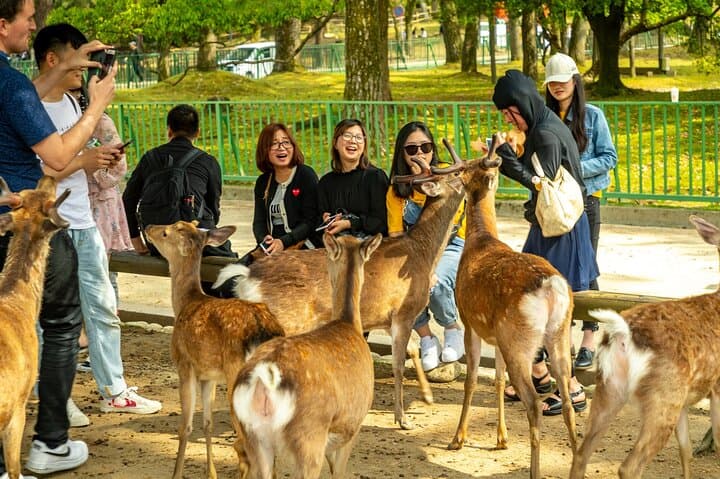
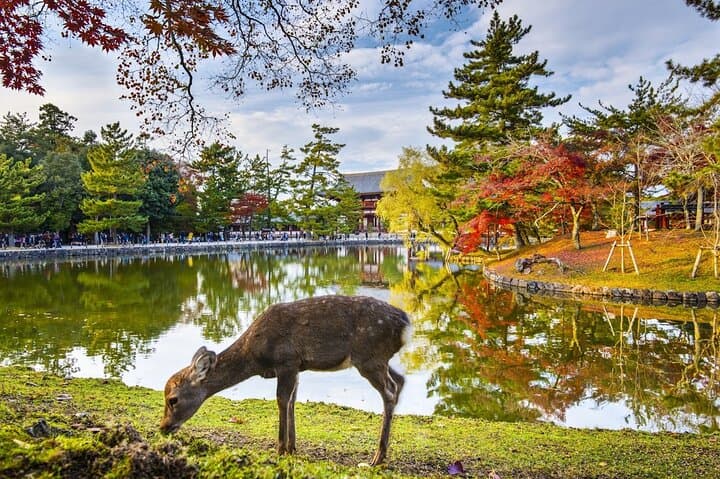
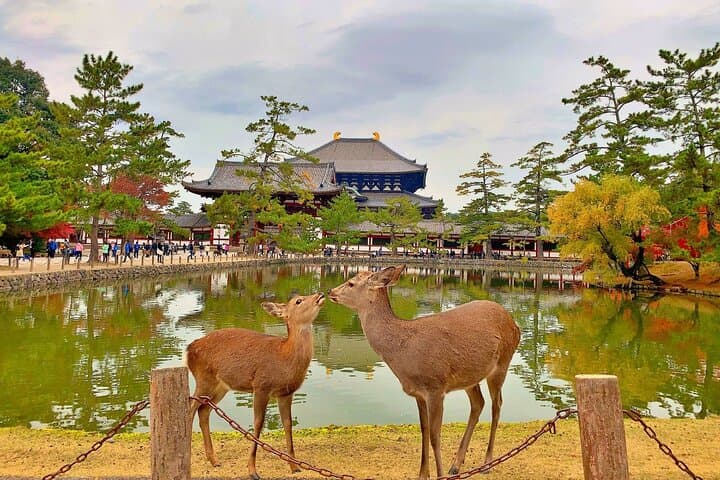
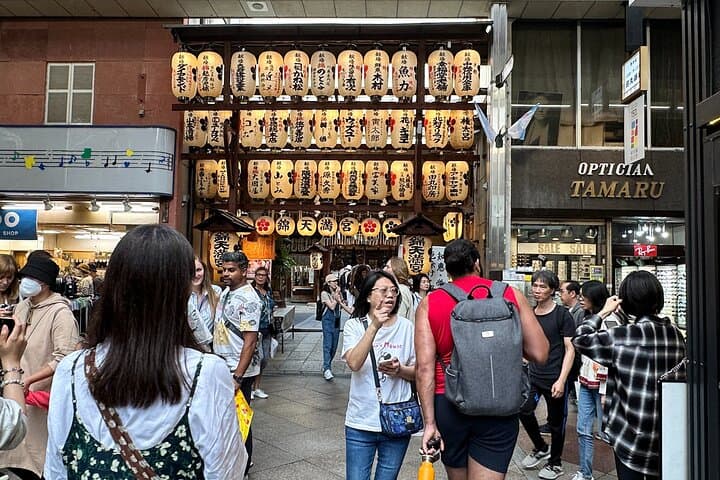
You meet at Kyoto Station beneath the canopy of steel and glass; a guide raises a company flag and the city’s rhythm becomes your itinerary. Narrow streets give way to broad temple courtyards, and by mid-morning the bamboo grove’s tall trunks whisper as you walk beneath shafts of light. By day two the torii tunnel of Fushimi Inari opens like a corridor through time, and in Nara the deer wander the shrine approach as unhurried hosts.
You meet at Kyoto Station beneath the canopy of steel and glass; a guide raises a company flag and the city’s rhythm becomes your itinerary. Narrow streets give way to broad temple courtyards, and by mid-morning the bamboo grove’s tall trunks whisper as you walk beneath shafts of light. By day two the torii tunnel of Fushimi Inari opens like a corridor through time, and in Nara the deer wander the shrine approach as unhurried hosts.
Kyoto and Nara are consecutive chapters of Japan’s political and religious history: Nara was the first permanent capital (8th century), and Kyoto served as court life and imperial ritual for more than a millennium. The region’s wooden architecture — from gilded shrines to sprawling wooden Buddha halls — reflects seismic-aware building traditions and the social power of Shoguns and priests. Local culture is present in small ways: shrine etiquette, the lacquered red of torii gates, and the preserved teahouse streets of Kyoto’s geisha districts.
Practical guidance: this is a walking-first tour using public transport between sites; expect long periods on foot over paved and uneven stone surfaces with stairs. Wear comfortable shoes, bring a compact rain layer and a refillable water bottle. Mornings clear crowds at popular sites; plan photography and shrine visits early. Guides handle tickets and local transit but have limited time at each stop — prioritize what you want to see. Carry small bills for shrine offerings and purchases. Cancellation is typically allowed up to 24 hours prior; confirm details when booking.