THE ADVENTURE COLLECTIVE® · Independent discovery and booking for outdoor travel

A compact 2‑day loop from Ulaanbaatar that pairs Khustai’s reintroduced Takhi with the monumental Genghis Khan statue and a night in Terelj’s ger camp. Expect about 400 km of driving, easy horseback riding, and broad Mongolian steppe scenery.
A compact 2‑day loop from Ulaanbaatar that pairs Khustai’s reintroduced Takhi with the monumental Genghis Khan statue and a night in Terelj’s ger camp. Expect about 400 km of driving, easy horseback riding, and broad Mongolian steppe scenery.
You leave Ulaanbaatar as the city thins and the steppe opens—roads flatten, wind pushes at the van, and the sky stretches like a promise. By midmorning you arrive at Khustai National Park, where short grasslands give way to rolling hills and the reintroduced Takhi (Przewalski’s horse) graze with wary calm. The museum pins the species’ story to plates and film; outside, the herd moves with practiced economy, a wildness that refuses to be tamed.
Verified experiences and guided adventures in the surrounding area.
Operated by Nymtemuulen Khaltar · Ulaanbaatar, Töv
You leave Ulaanbaatar as the city thins and the steppe opens—roads flatten, wind pushes at the van, and the sky stretches like a promise. By midmorning you arrive at Khustai National Park, where short grasslands give way to rolling hills and the reintroduced Takhi (Przewalski’s horse) graze with wary calm. The museum pins the species’ story to plates and film; outside, the herd moves with practiced economy, a wildness that refuses to be tamed.
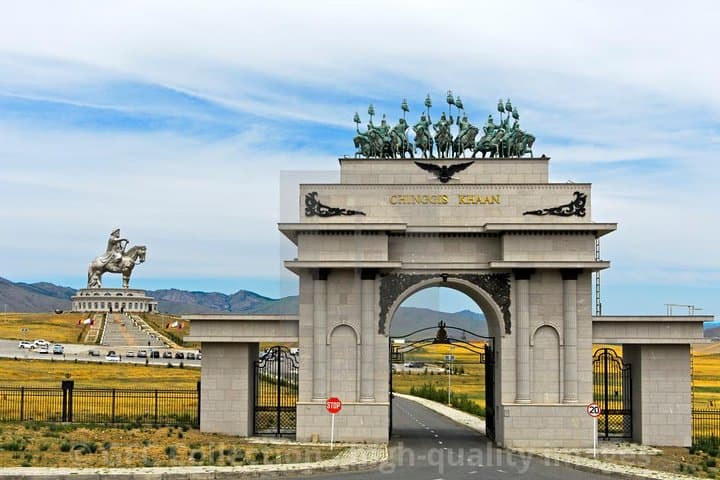
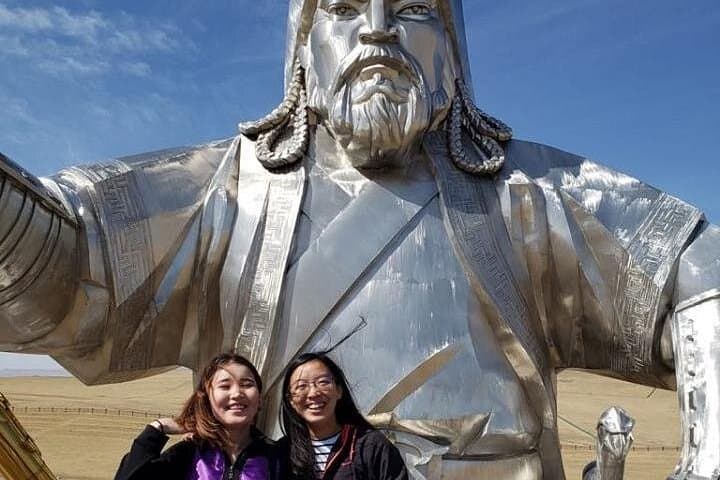
The route threads farther east toward the gleaming Genghis Khan Equestrian Statue on the Tuul River plain. The 40‑plus meter stainless steel horseman watches traffic and valley alike—an audacious modern landmark sited where legend and archaeology intersect. From that vantage the steppe reads like a map of Mongolia’s nomadic past, and the river below dares you to trace its course.
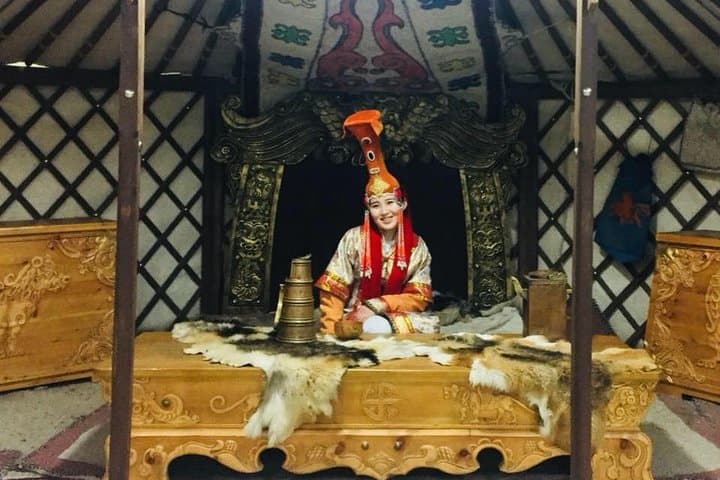
Terelj National Park closes the loop with granite outcrops, forested gullies, and the distinctive Turtle Rock. Overnighting in a ger camp brings traditional food, story, and the night air—cold, clean, and wide. On day two a guided hour of horseback riding delivers the landscape at horse pace: steep enough to work, gentle enough to enjoy.
Practical guidance: total driving is about 400 km over two days; expect basic gravel shoulders and paved stretches. Pack layered clothing for large diurnal swings, sturdy footwear for short hikes and rocky terrain, and cash for small purchases. Bookings often include meals and entry fees; bring binoculars for wildlife viewing and a charged phone with offline maps for navigation.
moderate.
2 days, 1 night.
Suitable for travelers in average fitness—short hikes, one hour horseback ride, and periods of vehicle travel
The itinerary covers roughly 400 km of driving over two days, with several short stops and longer visits in each park.
Khustai NP was established to protect the Takhi and sightings are common, but wildlife is never guaranteed—viewing is best in calm, quiet conditions.
Yes—hour‑long rides in Terelj are typically suitable for beginners with basic instruction and gentle horses.
Overnight lodging is in a ger camp at Terelj National Park; facilities are basic but include bedding and meals as listed in the tour inclusions.
Khustai was created in 1993 to reintroduce the Przewalski’s horse; the Genghis Khan statue marks a modern commemorative site near traditional nomadic lands.
Khustai’s protected status focuses on species recovery and regulated tourism; visitors are asked to stick to paths and minimize disturbance to sensitive habitats.
Nymtemuulen Khaltar operates guided outdoor trips and adventures with an emphasis on safety, stewardship, and memorable experiences.
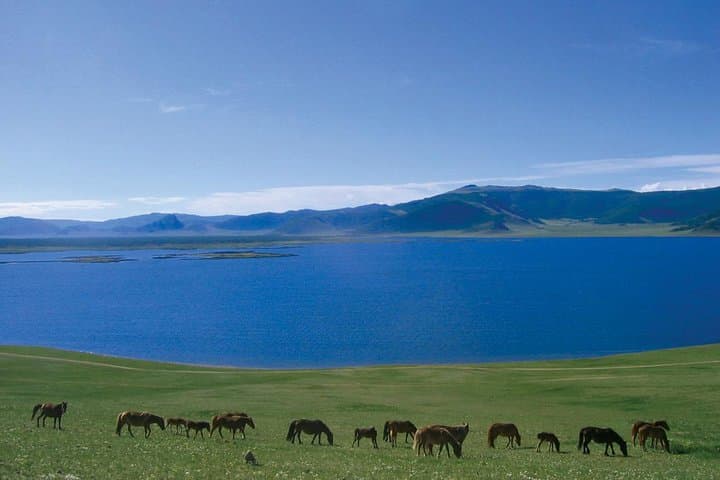
You leave Ulaanbaatar as the city thins and the steppe opens—roads flatten, wind pushes at the van, and the sky stretches like a promise. By midmorning you arrive at Khustai National Park, where short grasslands give way to rolling hills and the reintroduced Takhi (Przewalski’s horse) graze with wary calm. The museum pins the species’ story to plates and film; outside, the herd moves with practiced economy, a wildness that refuses to be tamed.
You leave Ulaanbaatar as the city thins and the steppe opens—roads flatten, wind pushes at the van, and the sky stretches like a promise. By midmorning you arrive at Khustai National Park, where short grasslands give way to rolling hills and the reintroduced Takhi (Przewalski’s horse) graze with wary calm. The museum pins the species’ story to plates and film; outside, the herd moves with practiced economy, a wildness that refuses to be tamed.
The route threads farther east toward the gleaming Genghis Khan Equestrian Statue on the Tuul River plain. The 40‑plus meter stainless steel horseman watches traffic and valley alike—an audacious modern landmark sited where legend and archaeology intersect. From that vantage the steppe reads like a map of Mongolia’s nomadic past, and the river below dares you to trace its course.
Terelj National Park closes the loop with granite outcrops, forested gullies, and the distinctive Turtle Rock. Overnighting in a ger camp brings traditional food, story, and the night air—cold, clean, and wide. On day two a guided hour of horseback riding delivers the landscape at horse pace: steep enough to work, gentle enough to enjoy.
Practical guidance: total driving is about 400 km over two days; expect basic gravel shoulders and paved stretches. Pack layered clothing for large diurnal swings, sturdy footwear for short hikes and rocky terrain, and cash for small purchases. Bookings often include meals and entry fees; bring binoculars for wildlife viewing and a charged phone with offline maps for navigation.