THE ADVENTURE COLLECTIVE® · Independent discovery and booking for outdoor travel

Fly into Port Kaituma for a reflective two-day tour that combines the Jonestown Memorial, local history, and riverside scenery. This itinerary pairs thoughtful remembrance with visits to Eclipse Rapids and Port Kaituma’s market life.
Fly into Port Kaituma for a reflective two-day tour that combines the Jonestown Memorial, local history, and riverside scenery. This itinerary pairs thoughtful remembrance with visits to Eclipse Rapids and Port Kaituma’s market life.
The plane drops you onto a short dirt strip and the air changes—thick, warm, full of river humidity and the smell of wet earth. From Port Kaituma’s airfield the landscape stretches in low green: rivers threading through laterite banks, scattered stilt houses, and the quick silver flash of birds over the water. You step into a place where history and landscape press close together.
Verified experiences and guided adventures in the surrounding area.
Operated by Wanderlust Adventures GY · Port Kaituma, Barima-Waini (Region 1)
The plane drops you onto a short dirt strip and the air changes—thick, warm, full of river humidity and the smell of wet earth. From Port Kaituma’s airfield the landscape stretches in low green: rivers threading through laterite banks, scattered stilt houses, and the quick silver flash of birds over the water. You step into a place where history and landscape press close together.
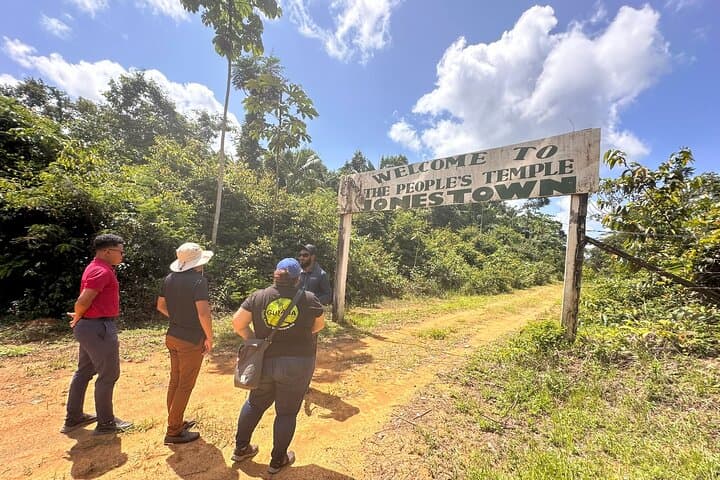
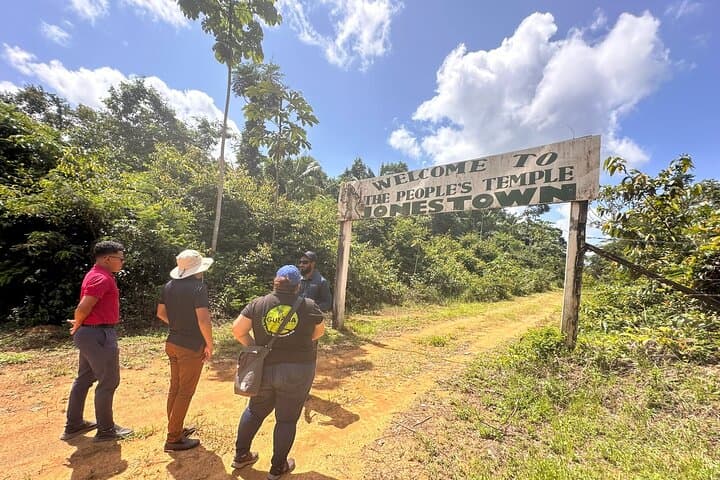
On this two-day route you follow the arc of a tragic moment: the Jonestown site and the spot outside Port Kaituma where Senator Leo Ryan and others were killed in 1978. Guides frame that history in local terms—how the commune affected nearby communities—and point out the Guiana Shield geology underfoot, the iron-rich soils and fast-flowing rapids carved into sandstone. Cultural texture arrives at the Port Kaituma market, where vendors sell handwoven goods, smoked fish, and stories handed down by neighbors.
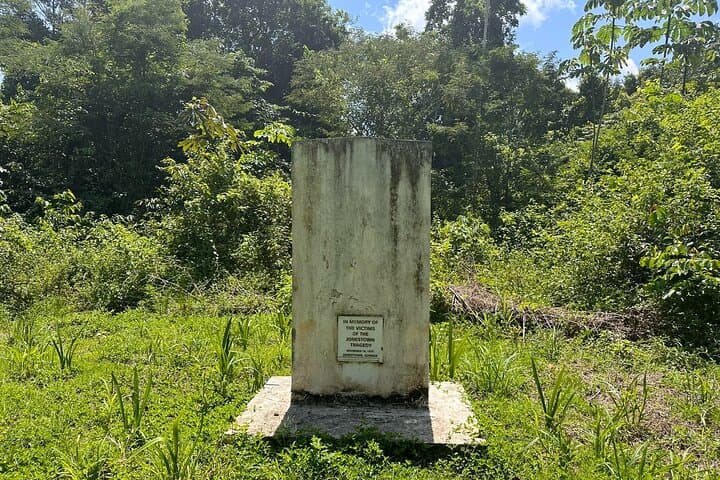
Contrasts define the itinerary: reflective time at the Jonestown Memorial, then the bright relief of Eclipse Rapids and a simple overnight in town. A local who lived in the area during the Jonestown era often joins, offering firsthand context that turns names into people.
Practical notes: travel involves a return light flight and short drives, and the tour is rated easy physically but remote—expect rustic lodging and limited cell service. Bring insect repellent, a lightweight rain layer, sturdy shoes for muddy banks, and sensitivity when photographing memorial areas. Plan flexible travel days around regional weather; the guide and community hospitality make the journey informative and respectfully grounded.
easy.
2 days (approx. 48 hours).
Suitable for most fitness levels; expect short walks on uneven, sometimes muddy terrain and minimal elevation change.
The itinerary is rated easy—most activity is short walks on flat or gently sloping ground; no technical hiking is required.
Yes. Visitors are asked to be respectful: keep voices low, follow guide instructions, and avoid intrusive photography of personal items or makeshift tributes.
The tour includes a return flight to Port Kaituma; flights are typically short but subject to weather—allow flexibility in onward plans.
Yes—two breakfasts, lunch, dinner, and one night’s accommodation in Port Kaituma are included as described in the itinerary.
The Jonestown site marks the end of the Peoples Temple Agricultural Project (1970s); visiting communities remember both the event and its long social aftermath.
This region is ecologically sensitive—stick to trails, avoid littering, and support local guides and vendors to ensure tourism benefits the community.
Wanderlust Adventures GY operates guided outdoor trips and adventures with an emphasis on safety, stewardship, and memorable experiences.
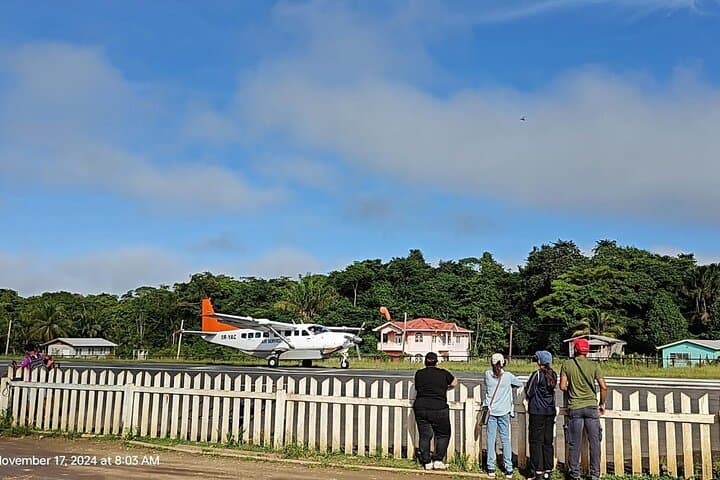
The plane drops you onto a short dirt strip and the air changes—thick, warm, full of river humidity and the smell of wet earth. From Port Kaituma’s airfield the landscape stretches in low green: rivers threading through laterite banks, scattered stilt houses, and the quick silver flash of birds over the water. You step into a place where history and landscape press close together.
The plane drops you onto a short dirt strip and the air changes—thick, warm, full of river humidity and the smell of wet earth. From Port Kaituma’s airfield the landscape stretches in low green: rivers threading through laterite banks, scattered stilt houses, and the quick silver flash of birds over the water. You step into a place where history and landscape press close together.
On this two-day route you follow the arc of a tragic moment: the Jonestown site and the spot outside Port Kaituma where Senator Leo Ryan and others were killed in 1978. Guides frame that history in local terms—how the commune affected nearby communities—and point out the Guiana Shield geology underfoot, the iron-rich soils and fast-flowing rapids carved into sandstone. Cultural texture arrives at the Port Kaituma market, where vendors sell handwoven goods, smoked fish, and stories handed down by neighbors.
Contrasts define the itinerary: reflective time at the Jonestown Memorial, then the bright relief of Eclipse Rapids and a simple overnight in town. A local who lived in the area during the Jonestown era often joins, offering firsthand context that turns names into people.
Practical notes: travel involves a return light flight and short drives, and the tour is rated easy physically but remote—expect rustic lodging and limited cell service. Bring insect repellent, a lightweight rain layer, sturdy shoes for muddy banks, and sensitivity when photographing memorial areas. Plan flexible travel days around regional weather; the guide and community hospitality make the journey informative and respectfully grounded.