THE ADVENTURE COLLECTIVE® · Independent discovery and booking for outdoor travel

A condensed version of the classic Inca Trail, this two-day trek threads cloud forest, Inka stonework and the Winaywayna ruins before delivering you to Machu Picchu for a focused, guided visit. Ideal for hikers who want the essence of the trail with an overnight in Aguas Calientes and a scenic train return.
A condensed version of the classic Inca Trail, this two-day trek threads cloud forest, Inka stonework and the Winaywayna ruins before delivering you to Machu Picchu for a focused, guided visit. Ideal for hikers who want the essence of the trail with an overnight in Aguas Calientes and a scenic train return.
The path tightens between moss-slick stonework and breathless sky as you climb—each step a conversation with the Andes. On day one the trail unfurls through cloud forest, threaded with terraces and the carved stairways the Inka left for travelers centuries ago. Winaywayna’s stepped ruins appear like an argument between human order and wild growth; the river below dares you to forget the altitude.
Verified experiences and guided adventures in the surrounding area.
Operated by Discover Inca Planet · Aguas Calientes, Cusco
The path tightens between moss-slick stonework and breathless sky as you climb—each step a conversation with the Andes. On day one the trail unfurls through cloud forest, threaded with terraces and the carved stairways the Inka left for travelers centuries ago. Winaywayna’s stepped ruins appear like an argument between human order and wild growth; the river below dares you to forget the altitude.
This short Inca Trail covers classic archaeology and Andean geology: volcanic soils, folded limestone ridges and glacial valleys shaped during the last ice age. The route is a cultural corridor—Inka road-building skills, agricultural terraces, and ritual platforms framed by llamas grazing at the margins. Local guides bring the ruins to life, explaining construction techniques, the sun worship that structured Inka life, and how the trail linked Cusco to its highland empire.
Practically, the itinerary compresses the famous route: a steady 4–5 hour uphill on day one to reach Winaywayna, an overnight in Aguas Calientes, then an early transfer and a 2.5-hour guided exploration of Machu Picchu. Expect rocky steps, sudden weather swings, and elevation near 2,430–2,700 m (Aguas Calientes to Machu Picchu). Hydrate, pace yourself on steep sections, and use trekking poles for descents. The return is a relaxing train ride to Cusco, giving you time to reflect on stone plazas and narrow, wind-swept ridgelines. Book permits and trains well in advance—spaces on the two-day itinerary are limited—and plan for early starts and steady, high-altitude hiking.
challenging.
2 days.
You should have good cardiovascular fitness and experience with sustained uphill hiking; ability to hike 6–8 hours at altitude is recommended.
Yes—permits for the Inca Trail are issued in limited numbers and must be secured well in advance through licensed operators; the two-day variant still requires an entry permit and train ticket.
It’s more condensed: steeper daily mileage and less time to acclimate, so physical exertion per day is higher even though total distance is shorter.
Machu Picchu sits around 2,430 m, and some trail sections rise higher; altitude sickness is possible—acclimatize in Cusco, hydrate, and ascend at a steady pace.
Typical inclusions are licensed guide services, Machu Picchu entrance, train ticket round-trip, lunch on hiking day, private transfers and one night in Aguas Calientes—confirm details with the operator.
The Inca Trail is part of the Qhapaq Ñan, the imperial road network that connected Cusco to outlying settlements; many stone ways you walk are original, reassembled, or conserved by archaeologists.
Visitor numbers are controlled through permits and regulated paths to protect fragile ruins and trails; follow your guide, avoid off-trail walking and pack out waste to minimize impact.
Discover Inca Planet operates guided outdoor trips and adventures with an emphasis on safety, stewardship, and memorable experiences.
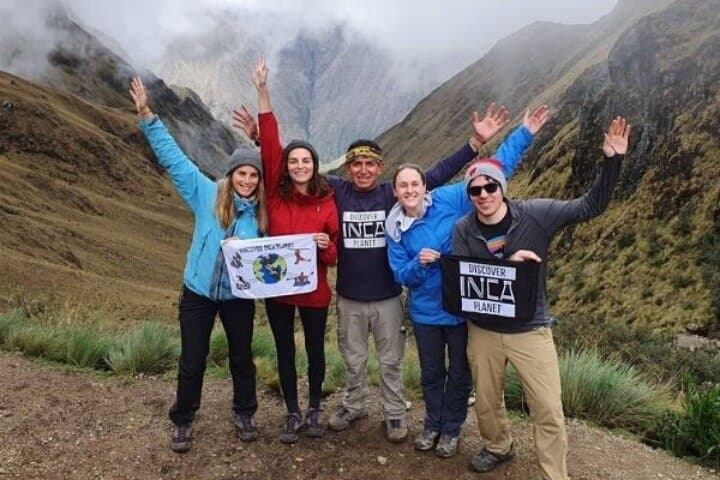
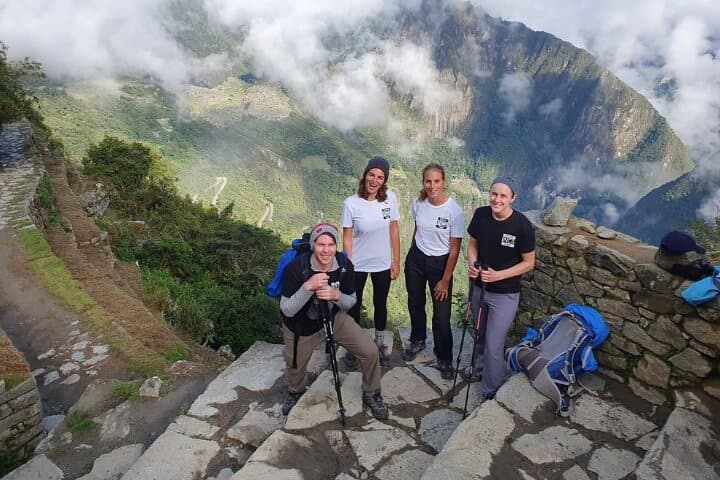
The path tightens between moss-slick stonework and breathless sky as you climb—each step a conversation with the Andes. On day one the trail unfurls through cloud forest, threaded with terraces and the carved stairways the Inka left for travelers centuries ago. Winaywayna’s stepped ruins appear like an argument between human order and wild growth; the river below dares you to forget the altitude.
The path tightens between moss-slick stonework and breathless sky as you climb—each step a conversation with the Andes. On day one the trail unfurls through cloud forest, threaded with terraces and the carved stairways the Inka left for travelers centuries ago. Winaywayna’s stepped ruins appear like an argument between human order and wild growth; the river below dares you to forget the altitude.
This short Inca Trail covers classic archaeology and Andean geology: volcanic soils, folded limestone ridges and glacial valleys shaped during the last ice age. The route is a cultural corridor—Inka road-building skills, agricultural terraces, and ritual platforms framed by llamas grazing at the margins. Local guides bring the ruins to life, explaining construction techniques, the sun worship that structured Inka life, and how the trail linked Cusco to its highland empire.
Practically, the itinerary compresses the famous route: a steady 4–5 hour uphill on day one to reach Winaywayna, an overnight in Aguas Calientes, then an early transfer and a 2.5-hour guided exploration of Machu Picchu. Expect rocky steps, sudden weather swings, and elevation near 2,430–2,700 m (Aguas Calientes to Machu Picchu). Hydrate, pace yourself on steep sections, and use trekking poles for descents. The return is a relaxing train ride to Cusco, giving you time to reflect on stone plazas and narrow, wind-swept ridgelines. Book permits and trains well in advance—spaces on the two-day itinerary are limited—and plan for early starts and steady, high-altitude hiking.