THE ADVENTURE COLLECTIVE® · Independent discovery and booking for outdoor travel

A compact, two-day Inca Trail trek from KM 104 delivers classic highlights—Chachabamba, Wiñay Wayna and the Sun Gate—culminating in a guided visit of Machu Picchu. Ideal for travelers with limited time who want an authentic trail experience without the full multi-day commitment.
A compact, two-day Inca Trail trek from KM 104 delivers classic highlights—Chachabamba, Wiñay Wayna and the Sun Gate—culminating in a guided visit of Machu Picchu. Ideal for travelers with limited time who want an authentic trail experience without the full multi-day commitment.
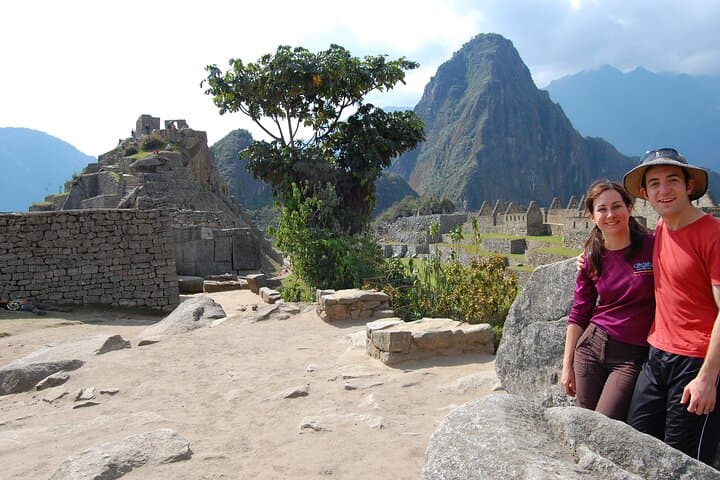
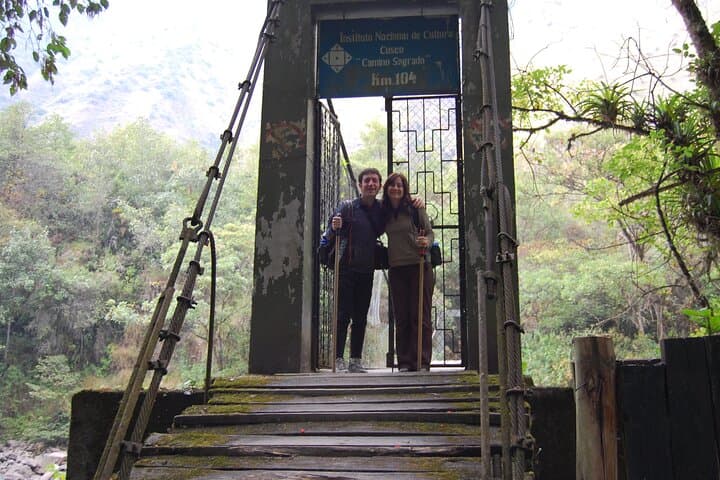
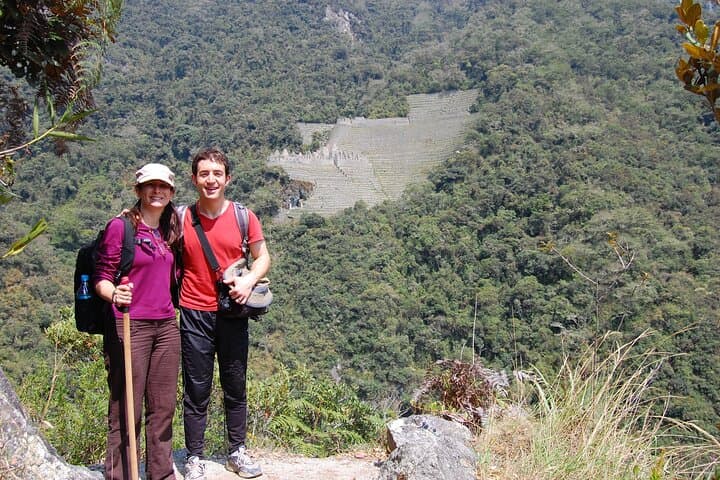
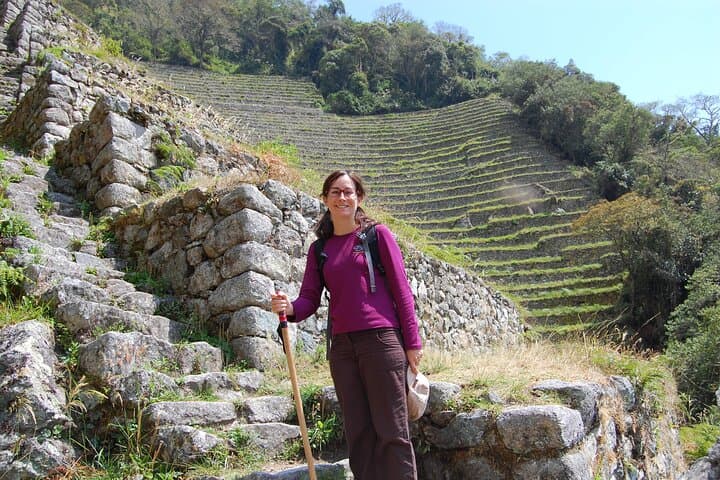
The trail begins before dawn: a small convoy leaves Cusco, the valley air crisp as the van threads terraces and pines toward Ollantaytambo. From the train at kilometer 104 the path climbs through cloud forest—orchids and ferns press close, the stonework of Chachabamba appears like a quiet checkpoint, and Wiñay Wayna’s stepped terraces unfurl below the track. On a late-afternoon approach to Inti Punku, the Sun Gate, Machu Picchu slips into view, the citadel lowering and rising with the mist.
Verified experiences and guided adventures in the surrounding area.
Operated by Magic Experiences Perú · Aguas Calientes (Machu Picchu Pueblo), Cusco
The trail begins before dawn: a small convoy leaves Cusco, the valley air crisp as the van threads terraces and pines toward Ollantaytambo. From the train at kilometer 104 the path climbs through cloud forest—orchids and ferns press close, the stonework of Chachabamba appears like a quiet checkpoint, and Wiñay Wayna’s stepped terraces unfurl below the track. On a late-afternoon approach to Inti Punku, the Sun Gate, Machu Picchu slips into view, the citadel lowering and rising with the mist.
This short Inca Trail follows the original imperial route used by the Inca to connect sacred sites, carved into volcanic and sedimentary highland geology that funnels water and shapes terraces. The route passes fine examples of pre-Columbian drainage and agricultural engineering and sits in a cultural landscape where Quechua traditions remain alive in nearby towns.
Practical guidance: expect 4–6 hours of sustained hiking the first day with several steep stone steps and narrow trail sections at 2,400–2,700 m elevation; pace yourself and watch footing where rain slicks stone. A guided entrance through the Sun Gate times your arrival for sunset photos, then the group descends to Aguas Calientes to sleep in a modest hotel. On day two the early bus to the citadel provides a 2–3 hour guided walk through terraces, temples and viewpoints before the return train to Ollantaytambo and transfer to Cusco.
Timing, hydration, and prior acclimatization are the biggest determinants of comfort here—pack rain protection, good boots and respect for the altitude and fragile archaeological sites.
moderate.
2 days.
Moderate physical fitness with prior acclimatization; able to hike 4–6 hours with elevation change.
Yes—entry is controlled and included in organized tours; this short trek uses the permitted KM 104 access which the operator secures on your behalf.
The route is moderate but the altitude (2,400–2,700 m) can cause breathlessness; acclimatize in Cusco and ascend slowly to reduce symptoms.
The itinerary includes one night in a 2-star hotel in Aguas Calientes and standard train transfers (Expedition or Voyager class).
Yes, but the wet season (Dec–Mar) brings rain and slippery trails; the dry season (May–Sep) offers clearer views but higher visitor numbers.
The trail follows pre-Columbian routes that linked administrative centers and religious sites of the Inca Empire, with stonework and agricultural terraces dating to the 15th century.
Machu Picchu and the Inca Trail are UNESCO-protected; limit impact by staying on trails, carrying out waste and respecting visitor quotas and guide instructions.
Magic Experiences Perú operates guided outdoor trips and adventures with an emphasis on safety, stewardship, and memorable experiences.
The trail begins before dawn: a small convoy leaves Cusco, the valley air crisp as the van threads terraces and pines toward Ollantaytambo. From the train at kilometer 104 the path climbs through cloud forest—orchids and ferns press close, the stonework of Chachabamba appears like a quiet checkpoint, and Wiñay Wayna’s stepped terraces unfurl below the track. On a late-afternoon approach to Inti Punku, the Sun Gate, Machu Picchu slips into view, the citadel lowering and rising with the mist.
The trail begins before dawn: a small convoy leaves Cusco, the valley air crisp as the van threads terraces and pines toward Ollantaytambo. From the train at kilometer 104 the path climbs through cloud forest—orchids and ferns press close, the stonework of Chachabamba appears like a quiet checkpoint, and Wiñay Wayna’s stepped terraces unfurl below the track. On a late-afternoon approach to Inti Punku, the Sun Gate, Machu Picchu slips into view, the citadel lowering and rising with the mist.
This short Inca Trail follows the original imperial route used by the Inca to connect sacred sites, carved into volcanic and sedimentary highland geology that funnels water and shapes terraces. The route passes fine examples of pre-Columbian drainage and agricultural engineering and sits in a cultural landscape where Quechua traditions remain alive in nearby towns.
Practical guidance: expect 4–6 hours of sustained hiking the first day with several steep stone steps and narrow trail sections at 2,400–2,700 m elevation; pace yourself and watch footing where rain slicks stone. A guided entrance through the Sun Gate times your arrival for sunset photos, then the group descends to Aguas Calientes to sleep in a modest hotel. On day two the early bus to the citadel provides a 2–3 hour guided walk through terraces, temples and viewpoints before the return train to Ollantaytambo and transfer to Cusco.
Timing, hydration, and prior acclimatization are the biggest determinants of comfort here—pack rain protection, good boots and respect for the altitude and fragile archaeological sites.