THE ADVENTURE COLLECTIVE® · Independent discovery and booking for outdoor travel

Cover the highlights of the Classic Inca Trail in two days: kilometer 104 to the Sun Gate, Winay Wayna, and a guided morning at Machu Picchu. Fast-paced but accessible, this 48-hour route blends iconic views with demanding stair climbs and high-altitude walking.
Cover the highlights of the Classic Inca Trail in two days: kilometer 104 to the Sun Gate, Winay Wayna, and a guided morning at Machu Picchu. Fast-paced but accessible, this 48-hour route blends iconic views with demanding stair climbs and high-altitude walking.
The trail opens before dawn: a 4:00 a.m. transfer from Cusco, train to kilometer 104, and then the forest swallows footsteps as the Inca stones begin their old work under your boots.
Verified experiences and guided adventures in the surrounding area.
Operated by AB Expeditions · Machu Picchu (Aguas Calientes), Cusco
The trail opens before dawn: a 4:00 a.m. transfer from Cusco, train to kilometer 104, and then the forest swallows footsteps as the Inca stones begin their old work under your boots.
This compressed Inca Trail threads 15 km of original stone pathways through cloud forest, passing Chachabamba and the terraced ruins of Winay Wayna before delivering you to the Sun Gate—where Machu Picchu first unfolds like a secret granted back to the world. The geology here is steep, folded Andean volcanic rock carved by rivers and time; the trail alternates packed earth, stone steps, and narrow switchbacks that demand steady footing.
Culturally the route remains a pilgrimage. The path was a royal and ritual artery for the Inca, whose masonry and agricultural terraces still anchor the slopes. Local Quechua communities continue to tend fields below and keep stories that guide the interpretation offered by knowledgeable guides.
Practicalities matter: expect altitude shifts (Cusco sits above 3,300 m, Machu Picchu around 2,430 m), variable weather, and long stair sections. Bring layered clothing, a sturdy waterproof jacket, and quality hiking boots. Start early on both days to avoid the crowds at the Sun Gate and Machu Picchu terraces, and allow time in Aguas Calientes for a soak or a relaxed lunch.
This itinerary is physically demanding but non-technical; permits limit group numbers and entry windows, so book in advance. Move deliberately, hydrate frequently, and treat the ruins and fragile flora with leave-no-trace care—these paths carry both history and responsibility.
moderate.
2 days.
Should be comfortable walking 10–15 km across varied terrain and climbing long stone stair sections; basic cardiovascular fitness required.
Yes—permits are required and limited; this tour includes the access fees and secures permits on your behalf, so book well in advance.
The 2-day is more compressed with longer daily distances and fewer acclimatization opportunities; it’s faster-paced but non-technical.
Huayna Picchu requires a separate, limited ticket; the tour offers the main Machu Picchu visit but the Huayna ascent must be booked ahead and is not included by default.
Symptoms can appear despite fitness; acclimatize in Cusco, hydrate, avoid alcohol before trekking, and tell guides if you feel unwell—guides are trained to respond and may adjust pace.
The Inca Trail was an imperial road network; its stonework and stairways connected ceremonial sites to Cusco and Machu Picchu, functioning as both transport and ritual route.
Permits limit daily visitors to protect archaeological sites and cloud-forest ecology—follow guides, pack out waste, and avoid off-trail shortcuts to minimize impact.
AB Expeditions operates guided outdoor trips and adventures with an emphasis on safety, stewardship, and memorable experiences.
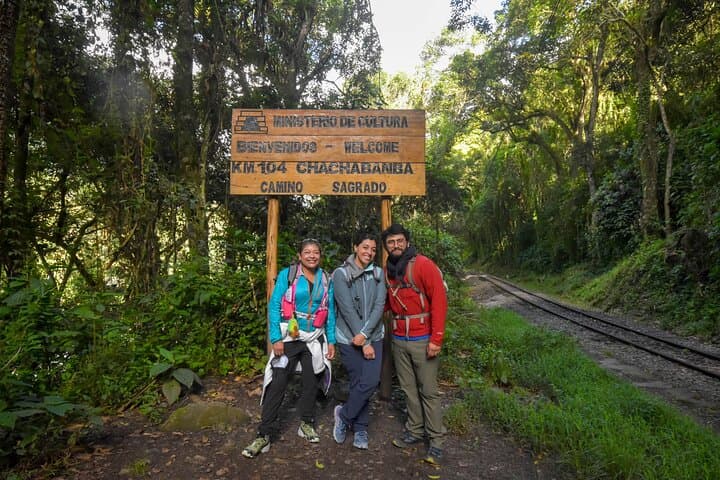
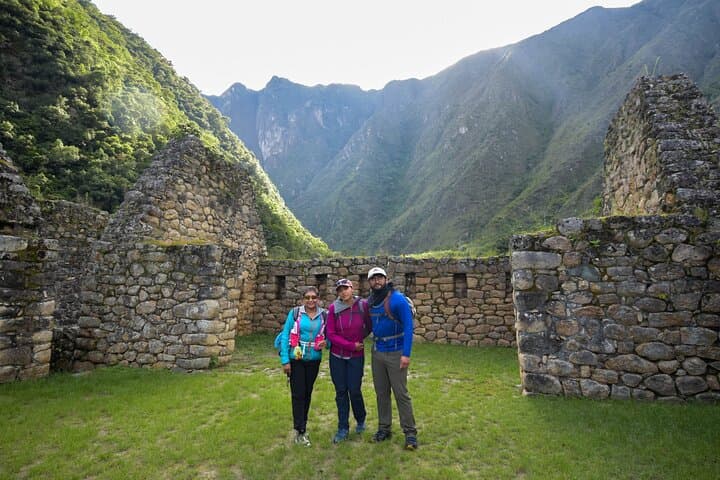
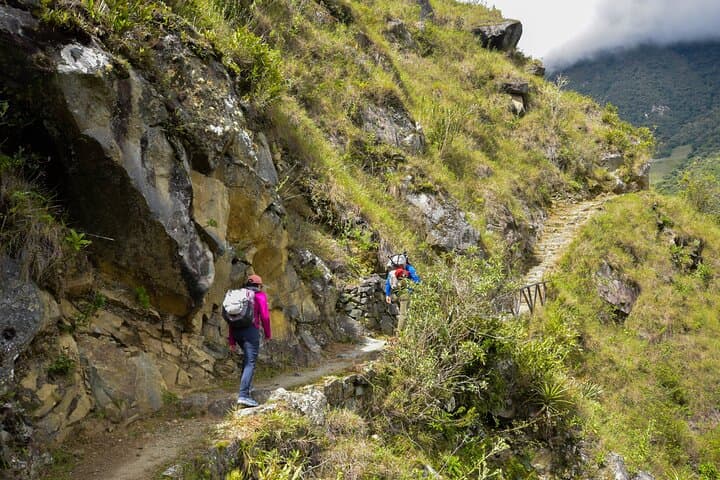
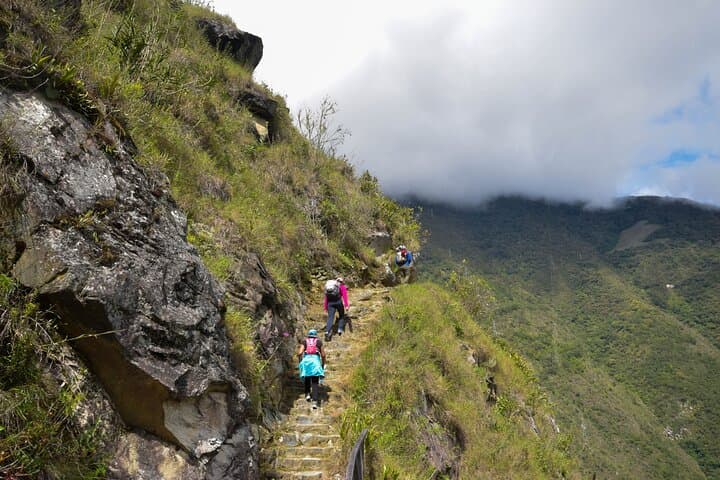
The trail opens before dawn: a 4:00 a.m. transfer from Cusco, train to kilometer 104, and then the forest swallows footsteps as the Inca stones begin their old work under your boots.
The trail opens before dawn: a 4:00 a.m. transfer from Cusco, train to kilometer 104, and then the forest swallows footsteps as the Inca stones begin their old work under your boots.
This compressed Inca Trail threads 15 km of original stone pathways through cloud forest, passing Chachabamba and the terraced ruins of Winay Wayna before delivering you to the Sun Gate—where Machu Picchu first unfolds like a secret granted back to the world. The geology here is steep, folded Andean volcanic rock carved by rivers and time; the trail alternates packed earth, stone steps, and narrow switchbacks that demand steady footing.
Culturally the route remains a pilgrimage. The path was a royal and ritual artery for the Inca, whose masonry and agricultural terraces still anchor the slopes. Local Quechua communities continue to tend fields below and keep stories that guide the interpretation offered by knowledgeable guides.
Practicalities matter: expect altitude shifts (Cusco sits above 3,300 m, Machu Picchu around 2,430 m), variable weather, and long stair sections. Bring layered clothing, a sturdy waterproof jacket, and quality hiking boots. Start early on both days to avoid the crowds at the Sun Gate and Machu Picchu terraces, and allow time in Aguas Calientes for a soak or a relaxed lunch.
This itinerary is physically demanding but non-technical; permits limit group numbers and entry windows, so book in advance. Move deliberately, hydrate frequently, and treat the ruins and fragile flora with leave-no-trace care—these paths carry both history and responsibility.