THE ADVENTURE COLLECTIVE® · Independent discovery and booking for outdoor travel

A two-day guided hike from Chefchaouen into Talassemtane National Park that pairs forested ridgelines and limestone summits with stays in traditional Berber guesthouses. Expect steep rocky trails, panoramic valley views, and local meals at a simple gîte.
A two-day guided hike from Chefchaouen into Talassemtane National Park that pairs forested ridgelines and limestone summits with stays in traditional Berber guesthouses. Expect steep rocky trails, panoramic valley views, and local meals at a simple gîte.
Morning light hits the blue alleys of Chefchaouen and you feel the town giving way to limestone ridges and fir forests.
Verified experiences and guided adventures in the surrounding area.
Operated by Learning & Discovery with Fatima · Chefchaouen, Tanger-Tetouan-Al Hoceima
Morning light hits the blue alleys of Chefchaouen and you feel the town giving way to limestone ridges and fir forests.
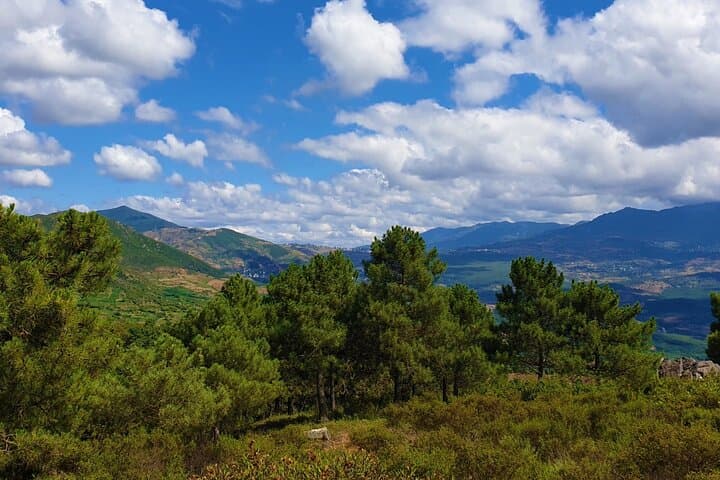
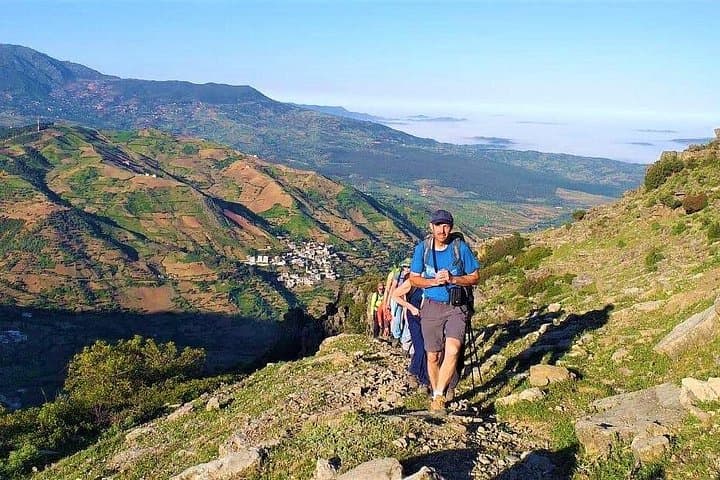
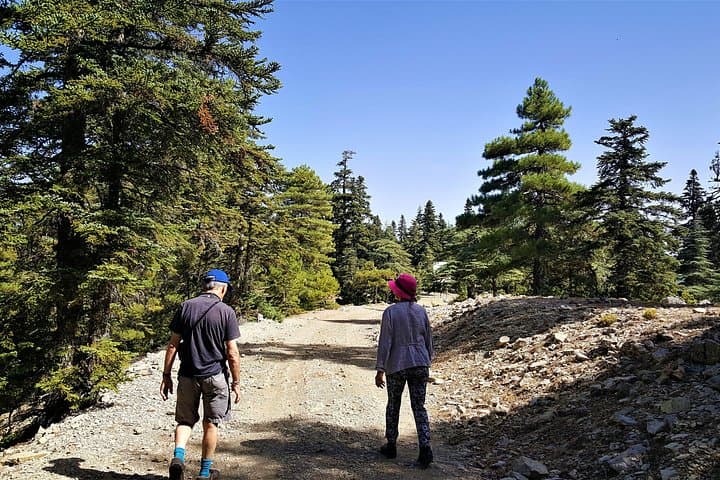
On day one the trail climbs Tissouka’s rocky shoulders with expanding views of Chefchaouen and the Oued Laou valley. Villages appear as clusters of whitewashed houses clinging to terraces; children wave from agricultural plots. The second day pushes higher into Talassemtane’s cork and fir woodlands toward Mount Lakraa (≈2,159 m), where limestone outcrops and narrow ridgelines open into meadows.
Geologically the Rif is folded Mesozoic limestone—karst features, caves, and sharp escarpments shape the route. Culturally the Rif is Berber: expect traditional stone houses, communal terraces, and a slower rural rhythm. Talassemtane is part of the Intercontinental Mediterranean Biosphere Reserve and hosts unique fir stands not found elsewhere in Africa.
Practically this is a guided, multi-day hike: Day 1 ~5 hours on rocky, sometimes steep trails; Day 2 ~6 hours with longer ascents and exposed sections. Accommodation is a simple gîte with hot water; meals are home-cooked local fare.
Bring sturdy boots, layered clothing, and a sense of patience—village schedules and trail conditions vary. Water sources are limited; filter or carry enough. Respect private lands and refrain from feeding wildlife, particularly Barbary macaques. Weather can shift quickly above 1,500 m—start early to avoid afternoon storms. With moderate fitness this route rewards hikers with quiet highland meadows, dramatic cliffs, and authentic Berber hospitality.
moderate.
2 days (total ~11 hours of hiking).
Moderate fitness—regular walkers who can handle 5–6 hour mountain days with sustained ascents.
Trails are moderate: rocky and sometimes steep but non-technical; the route is guided and suitable for hikers in good general health.
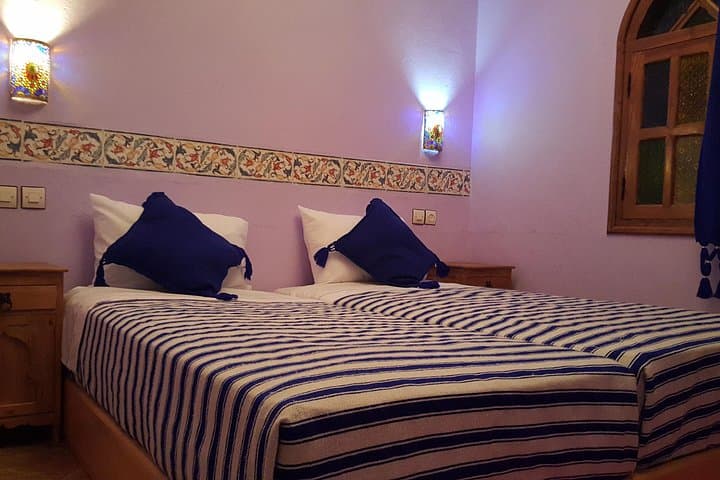
Yes — the gîte is simple with double/triple rooms and hot water; expect rustic but clean local hospitality.
Meals listed include breakfast, lunch, and dinner prepared locally; inform guides of dietary restrictions in advance.
Children with moderate fitness can join, but the tour is not recommended for infants or people with serious mobility or heart conditions.
The Rif has long been home to Amazigh (Berber) communities; local architecture and agricultural terraces reflect centuries of mountain farming and resistance to outside rule.
Talassemtane is part of a Mediterranean biosphere reserve—stay on trails, avoid disturbing fir regeneration, and don't feed wildlife to minimize human impact.
Learning & Discovery with Fatima operates guided outdoor trips and adventures with an emphasis on safety, stewardship, and memorable experiences.
Morning light hits the blue alleys of Chefchaouen and you feel the town giving way to limestone ridges and fir forests.
Morning light hits the blue alleys of Chefchaouen and you feel the town giving way to limestone ridges and fir forests.
On day one the trail climbs Tissouka’s rocky shoulders with expanding views of Chefchaouen and the Oued Laou valley. Villages appear as clusters of whitewashed houses clinging to terraces; children wave from agricultural plots. The second day pushes higher into Talassemtane’s cork and fir woodlands toward Mount Lakraa (≈2,159 m), where limestone outcrops and narrow ridgelines open into meadows.
Geologically the Rif is folded Mesozoic limestone—karst features, caves, and sharp escarpments shape the route. Culturally the Rif is Berber: expect traditional stone houses, communal terraces, and a slower rural rhythm. Talassemtane is part of the Intercontinental Mediterranean Biosphere Reserve and hosts unique fir stands not found elsewhere in Africa.
Practically this is a guided, multi-day hike: Day 1 ~5 hours on rocky, sometimes steep trails; Day 2 ~6 hours with longer ascents and exposed sections. Accommodation is a simple gîte with hot water; meals are home-cooked local fare.
Bring sturdy boots, layered clothing, and a sense of patience—village schedules and trail conditions vary. Water sources are limited; filter or carry enough. Respect private lands and refrain from feeding wildlife, particularly Barbary macaques. Weather can shift quickly above 1,500 m—start early to avoid afternoon storms. With moderate fitness this route rewards hikers with quiet highland meadows, dramatic cliffs, and authentic Berber hospitality.