THE ADVENTURE COLLECTIVE® · Independent discovery and booking for outdoor travel

See Delhi, Agra and Jaipur in a tightly paced 48-hour loop that hits the Red Fort, Taj Mahal and Jaipur Fort with private transfers and a guided overnight. Ideal for travelers who want high-impact cultural highlights in minimal time.
See Delhi, Agra and Jaipur in a tightly paced 48-hour loop that hits the Red Fort, Taj Mahal and Jaipur Fort with private transfers and a guided overnight. Ideal for travelers who want high-impact cultural highlights in minimal time.
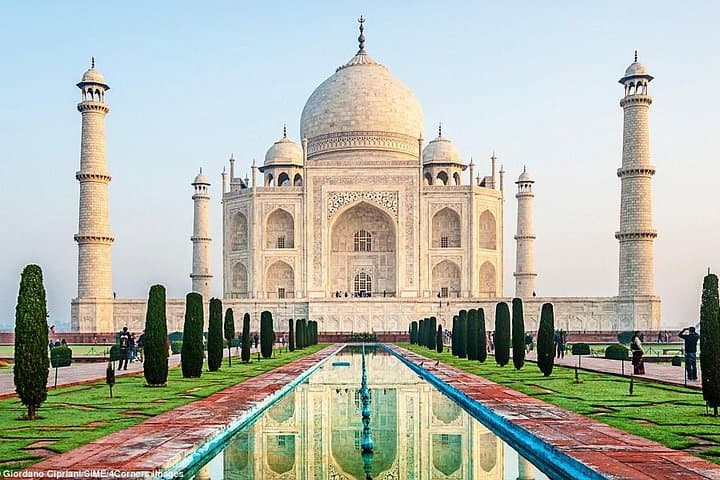
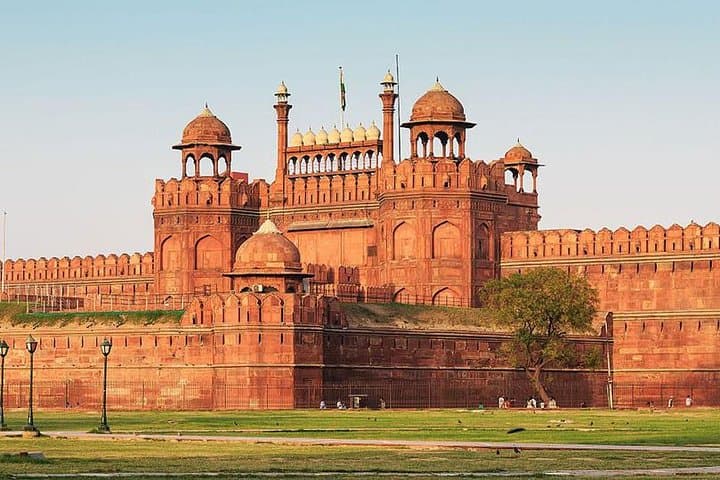
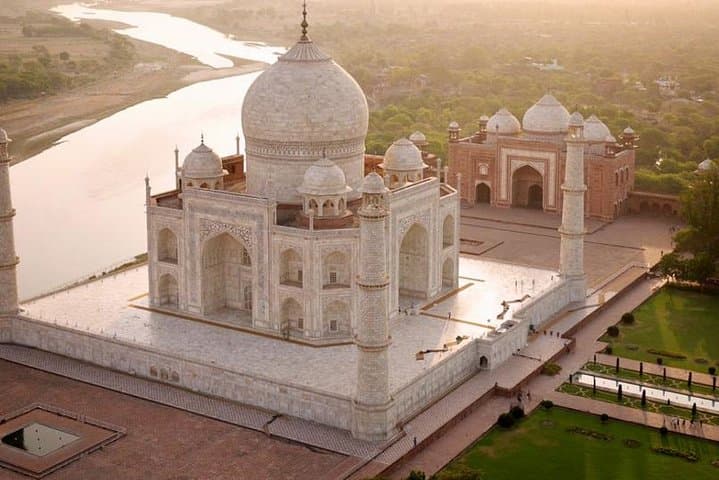
Before the city fully wakes, a private vehicle threads out of New Delhi toward monuments that have shaped India's public memory. The Red Fort's red sandstone asserts a deliberate presence; the Taj Mahal's white marble catches and returns the dawn; Jaipur's forts squat and glitter on the arid ridge as the day heats. This compact loop moves fast, trading depth for breadth so travelers can stand inside emblematic sites across three cities in two days.
Verified experiences and guided adventures in the surrounding area.
Operated by Padma Holidays · New Delhi, Delhi
Before the city fully wakes, a private vehicle threads out of New Delhi toward monuments that have shaped India's public memory. The Red Fort's red sandstone asserts a deliberate presence; the Taj Mahal's white marble catches and returns the dawn; Jaipur's forts squat and glitter on the arid ridge as the day heats. This compact loop moves fast, trading depth for breadth so travelers can stand inside emblematic sites across three cities in two days.
The route traces Mughal and Rajput power—the imperial capitals and courts that defined South Asian politics and architecture. Geologically, the tour crosses the alluvial Gangetic plain into the sandy fringe of the Aravalli foothills; building materials shift from river-polished marble in Agra to local sandstone in Jaipur. Local culture surfaces in market laneways: block-printed textiles, enamel jewelry, and spice stalls that punctuate each stop.
Practically, expect early starts, guided walkthroughs of UNESCO sites, and timed photo stops. Entry fees and a single night’s hotel in Jaipur are usually included, and private transfers cut transit stress. Bring comfortable walking shoes for uneven courtyards, a daypack for water and documents, and a hat—the sun is uncompromising in summer. Respect dress norms at religious and historic sites: shoulders and knees covered keeps lines moving.
This itinerary suits travelers who prefer curated introductions to Delhi, Agra, and Jaipur—fast-moving, high-sight-value days that give a concentrated sense of history, architecture, and market life with local guides smoothing logistics.
easy.
2 days (approx. 8–10 hours per day).
Light to moderate walking fitness; comfortable standing and climbing short flights of stairs.
Entrance fees are typically included with the tour option; confirm at booking if solo sightseeing or ticket windows differ.
Yes—short market stops are usually scheduled in Jaipur; expect limited free time for shopping between guided visits.
The tour is paced for all fitness levels but involves walking and steps; travelers with mobility issues should notify the operator in advance.
Private, air-conditioned vehicles handle all transfers, with drivers experienced on the Golden Triangle route and fixed drop-off points in Delhi.
The Golden Triangle links Mughal-era monuments and Rajput palaces—sites built and modified from the 16th to 19th centuries that reflect imperial patronage and regional craftsmanship.
Monuments are protected UNESCO or ASI sites with regulated visitor numbers and photography rules; visitors should stick to marked paths, avoid littering, and use local guides to support conservation-aware tourism.
Padma Holidays operates guided outdoor trips and adventures with an emphasis on safety, stewardship, and memorable experiences.
Before the city fully wakes, a private vehicle threads out of New Delhi toward monuments that have shaped India's public memory. The Red Fort's red sandstone asserts a deliberate presence; the Taj Mahal's white marble catches and returns the dawn; Jaipur's forts squat and glitter on the arid ridge as the day heats. This compact loop moves fast, trading depth for breadth so travelers can stand inside emblematic sites across three cities in two days.
Before the city fully wakes, a private vehicle threads out of New Delhi toward monuments that have shaped India's public memory. The Red Fort's red sandstone asserts a deliberate presence; the Taj Mahal's white marble catches and returns the dawn; Jaipur's forts squat and glitter on the arid ridge as the day heats. This compact loop moves fast, trading depth for breadth so travelers can stand inside emblematic sites across three cities in two days.
The route traces Mughal and Rajput power—the imperial capitals and courts that defined South Asian politics and architecture. Geologically, the tour crosses the alluvial Gangetic plain into the sandy fringe of the Aravalli foothills; building materials shift from river-polished marble in Agra to local sandstone in Jaipur. Local culture surfaces in market laneways: block-printed textiles, enamel jewelry, and spice stalls that punctuate each stop.
Practically, expect early starts, guided walkthroughs of UNESCO sites, and timed photo stops. Entry fees and a single night’s hotel in Jaipur are usually included, and private transfers cut transit stress. Bring comfortable walking shoes for uneven courtyards, a daypack for water and documents, and a hat—the sun is uncompromising in summer. Respect dress norms at religious and historic sites: shoulders and knees covered keeps lines moving.
This itinerary suits travelers who prefer curated introductions to Delhi, Agra, and Jaipur—fast-moving, high-sight-value days that give a concentrated sense of history, architecture, and market life with local guides smoothing logistics.