THE ADVENTURE COLLECTIVE® · Independent discovery and booking for outdoor travel

A compact, two-day overland circuit from Yerevan to Georgia that pairs UNESCO sites and fortified hill towns with dramatic cave monasteries. Expect long drives, short hikes on cobbles and steep stairs, and concentrated cultural history.
A compact, two-day overland circuit from Yerevan to Georgia that pairs UNESCO sites and fortified hill towns with dramatic cave monasteries. Expect long drives, short hikes on cobbles and steep stairs, and concentrated cultural history.
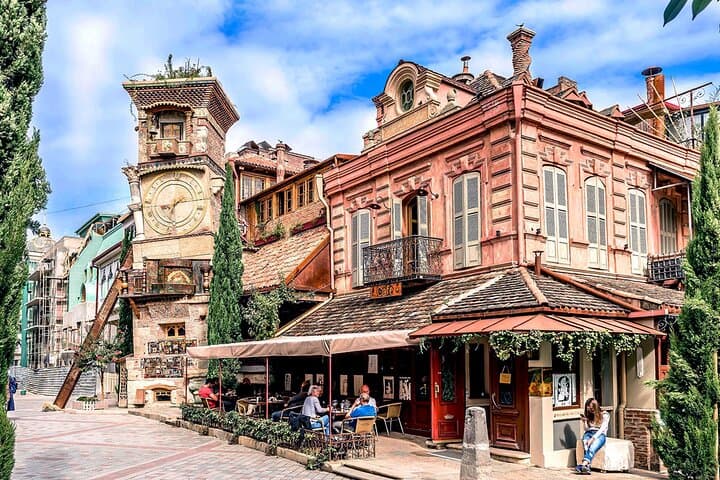
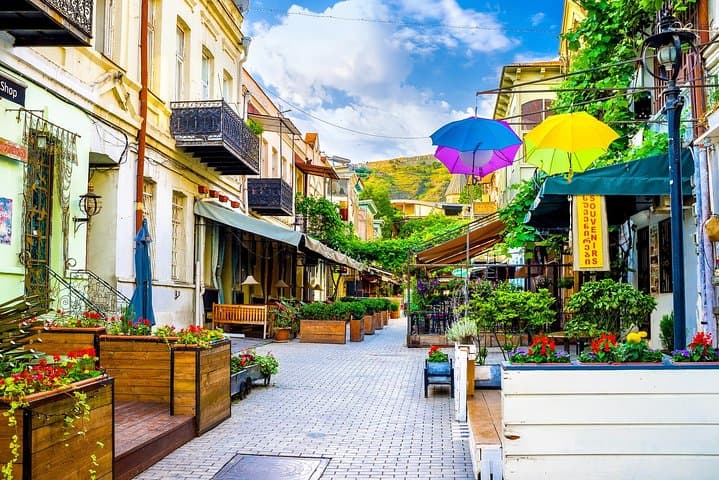
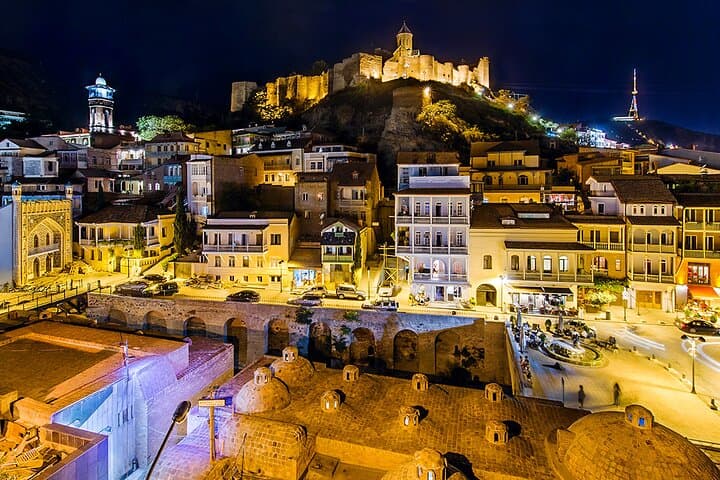
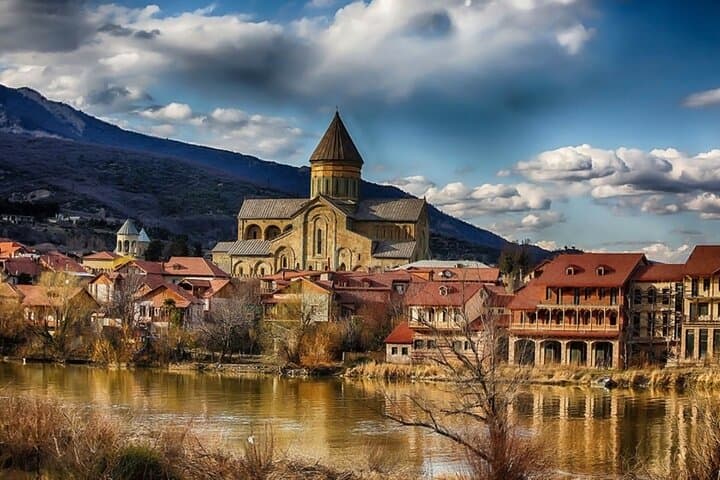
You step into a highland morning leaving Yerevan behind as the road pushes toward the green folds of Georgia. The Kura River threads through towns and the first-day skyline opens on Tbilisi’s mixed roofline—a collision of medieval stone and modern glass—and then narrows to the stone cross of Jvari perched over the confluence of rivers, daring you to take the view.
Verified experiences and guided adventures in the surrounding area.
Operated by Hyur Service · Tbilisi, Tbilisi
You step into a highland morning leaving Yerevan behind as the road pushes toward the green folds of Georgia. The Kura River threads through towns and the first-day skyline opens on Tbilisi’s mixed roofline—a collision of medieval stone and modern glass—and then narrows to the stone cross of Jvari perched over the confluence of rivers, daring you to take the view.
History sits heavy here: Mtskheta was Georgia’s first capital and a cradle of its Christian identity; Jvari’s 7th-century church marks the spot where Saint Nino raised the cross. Southward, Rabati Castle shows layers of medieval defenses and Ottoman, Georgian and Russian influences after renovations. Vardzia, carved into the Erusheti slopes at roughly 1,300 m, reads like an ancient vertical village—multi-level caves, wine cellars and refectories linked by tight tunnels and steep stairs.
Geology and culture intersect: volcanic foothills and river valleys shaped trade routes and fortress sites; today small towns serve dense culinary traditions—bread ovens, mountain cheeses and strong coffee. Guides provide context, and the trip’s pace balances long road segments with timed walks and an overnight in a 4-star Tbilisi hotel.
Practical guidance: carry your passport (visa rules vary), expect up to 4–5 hours driving between major points, and prepare for uneven cobbles and many stairs at Vardzia. Bring layered clothing for temperature swings, sun protection for exposed viewpoints, and cash in Georgian lari for small purchases. Start early to beat crowds at UNESCO sites and allow extra time at the border—this two-day circuit delivers concentrated history and landscape in pragmatic, unforgettable doses.
easy.
2 days.
Basic fitness for short walks, standing and stair-climbing; suitable for most travelers
Visa requirements depend on your nationality; check Georgian consular info well before travel and confirm any re-entry visa needs for Armenia.
Walking is moderate: short guided walks in old towns and stair-heavy exploration at Vardzia—most of the tour is by coach between sites.
Lunches and one hotel breakfast are included; snacks and dinners are typically on your own unless specified otherwise.
Families can cross but should expect security checks and some waiting; infants may ride in strollers or sit on an adult’s lap on the coach.
Mtskheta became Georgia’s spiritual center after adopting Christianity in the 4th century; many churches here date back to the early medieval period.
Many historic sites are protected as museum reserves; visitors should stay on marked paths, avoid touching fragile frescoes, and support local guides and businesses to ensure sustainable tourism.
Hyur Service operates guided outdoor trips and adventures with an emphasis on safety, stewardship, and memorable experiences.
You step into a highland morning leaving Yerevan behind as the road pushes toward the green folds of Georgia. The Kura River threads through towns and the first-day skyline opens on Tbilisi’s mixed roofline—a collision of medieval stone and modern glass—and then narrows to the stone cross of Jvari perched over the confluence of rivers, daring you to take the view.
You step into a highland morning leaving Yerevan behind as the road pushes toward the green folds of Georgia. The Kura River threads through towns and the first-day skyline opens on Tbilisi’s mixed roofline—a collision of medieval stone and modern glass—and then narrows to the stone cross of Jvari perched over the confluence of rivers, daring you to take the view.
History sits heavy here: Mtskheta was Georgia’s first capital and a cradle of its Christian identity; Jvari’s 7th-century church marks the spot where Saint Nino raised the cross. Southward, Rabati Castle shows layers of medieval defenses and Ottoman, Georgian and Russian influences after renovations. Vardzia, carved into the Erusheti slopes at roughly 1,300 m, reads like an ancient vertical village—multi-level caves, wine cellars and refectories linked by tight tunnels and steep stairs.
Geology and culture intersect: volcanic foothills and river valleys shaped trade routes and fortress sites; today small towns serve dense culinary traditions—bread ovens, mountain cheeses and strong coffee. Guides provide context, and the trip’s pace balances long road segments with timed walks and an overnight in a 4-star Tbilisi hotel.
Practical guidance: carry your passport (visa rules vary), expect up to 4–5 hours driving between major points, and prepare for uneven cobbles and many stairs at Vardzia. Bring layered clothing for temperature swings, sun protection for exposed viewpoints, and cash in Georgian lari for small purchases. Start early to beat crowds at UNESCO sites and allow extra time at the border—this two-day circuit delivers concentrated history and landscape in pragmatic, unforgettable doses.