THE ADVENTURE COLLECTIVE® · Independent discovery and booking for outdoor travel

Cross the High Atlas from Marrakech to Ouarzazate on a two-day loop that visits Telouet, Ait Ben Haddou, Taourirt and the verdant Fint Oasis—mud-brick fortresses, mountain passes, and palm-fringed river walks.
Cross the High Atlas from Marrakech to Ouarzazate on a two-day loop that visits Telouet, Ait Ben Haddou, Taourirt and the verdant Fint Oasis—mud-brick fortresses, mountain passes, and palm-fringed river walks.
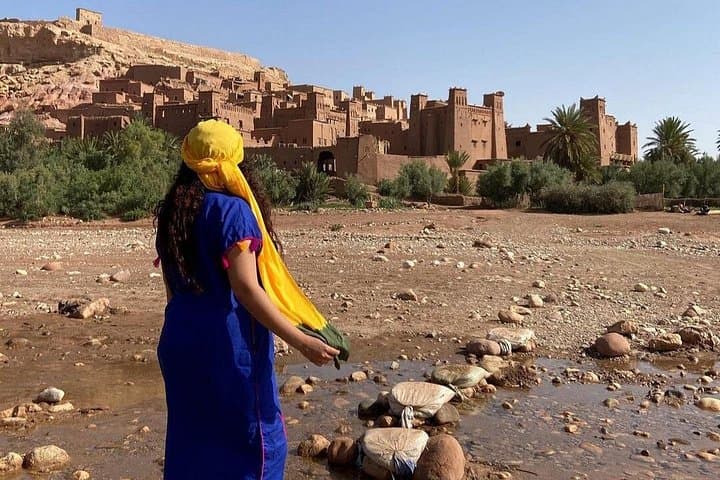
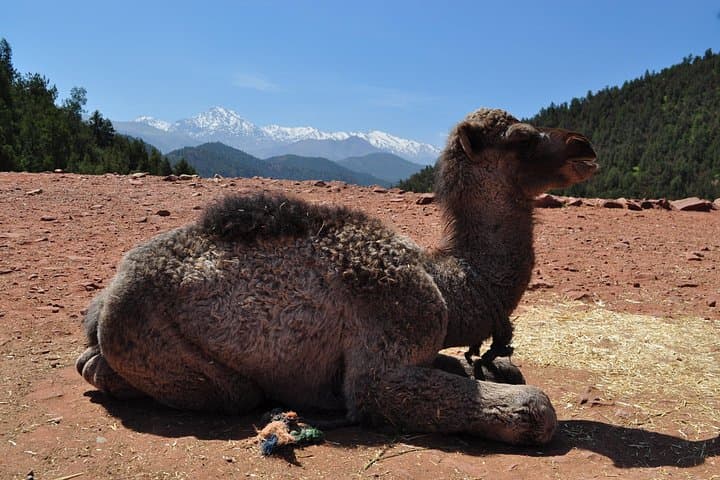
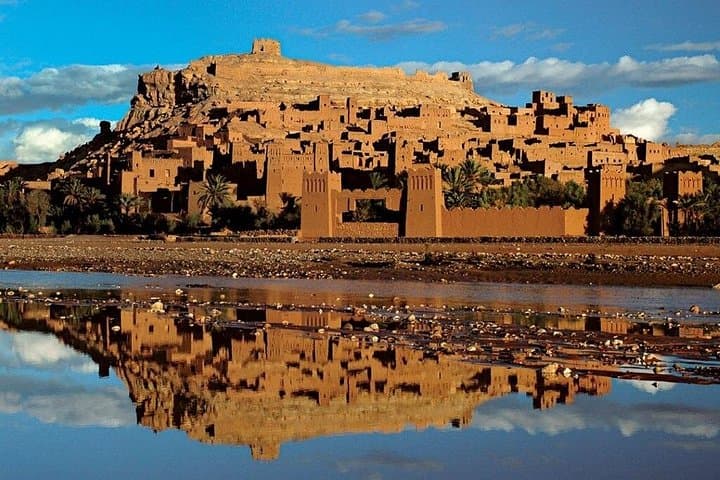
Dawn on the Tizi n'Tichka pass begins with a cold slice of sky and the long silhouette of the High Atlas. Travelers leave Marrakech by road, climbing to 2,260 m while the valley below widens into ochre villages and terraced fields. By midday the mud-brick towers of Ait Ben Haddou appear—massive, dry, and sculpted by centuries of sun and sparse rain.
Verified experiences and guided adventures in the surrounding area.
Operated by Morocco Friends Travel · Ouarzazate, Drâa-Tafilalet
Dawn on the Tizi n'Tichka pass begins with a cold slice of sky and the long silhouette of the High Atlas. Travelers leave Marrakech by road, climbing to 2,260 m while the valley below widens into ochre villages and terraced fields. By midday the mud-brick towers of Ait Ben Haddou appear—massive, dry, and sculpted by centuries of sun and sparse rain.
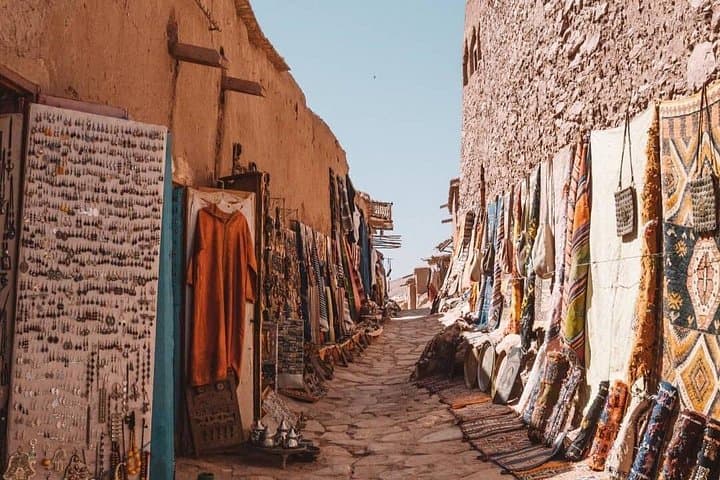
The route of 1,000 kasbahs is less a single path than a chain of fortified homes and caravan waypoints: Telouet’s ornate, earthen rooms recall the wealth of trans-Saharan trade, while Taourirt in Ouarzazate shows the regional power of the Glaoui family. Geologically the region is old rock and alluvial fans, cut by seasonal rivers that feed palm groves and pockets of irrigated agriculture like Fint Oasis—an unexpected green throat where date palms and small farms cluster around a river.
Culturally the landscape balances Berber village life, French colonial-era roads, and modern film studios that use these backdrops for global cinema. Expect easy walking on uneven ground, brief guided village treks, and meals in local riads or family-run restaurants.
Practicalities: pack sturdy walking shoes, sun protection, and a refillable water bottle. The tour includes breakfast and dinner and an overnight in a local riad; altitude is moderate but can be windy on the pass. Best timing is shoulder seasons (spring, fall) for cooler days and clearer light for photography. Bring cash for small purchases in villages and be prepared for short, unpaved sections when exploring kasbah ruins.
easy.
2 days.
Suitable for travelers with basic mobility who can handle short walks (30–60 minutes) on uneven terrain and steps.
Day one includes a full morning crossing of the High Atlas to Ait Ben Haddou with multiple short stops; expect 4–6 hours of combined driving and sightseeing. Day two returns via Ouarzazate with shorter driving segments and oasis exploration.
Yes—this tour is classified as easy with minimal strenuous activity, but it involves vehicle travel on mountain roads and some walking on uneven surfaces; check mobility needs before booking.
The tour includes entry to Ait Ben Haddou and visits with a professional local guide as noted; confirm specifics with the operator for any optional extras.
Most operators can accommodate common dietary needs if informed at booking; the itinerary requests full names and special requirements during reservation.
These kasbahs grew from caravan commerce between the Sahara and northern cities; families like the Glaoui invested in fortified homes that doubled as political centers.
Water is scarce—respect local irrigation channels and avoid littering; choose riads and guides who support local communities and low-impact visits.
Morocco Friends Travel operates guided outdoor trips and adventures with an emphasis on safety, stewardship, and memorable experiences.
Dawn on the Tizi n'Tichka pass begins with a cold slice of sky and the long silhouette of the High Atlas. Travelers leave Marrakech by road, climbing to 2,260 m while the valley below widens into ochre villages and terraced fields. By midday the mud-brick towers of Ait Ben Haddou appear—massive, dry, and sculpted by centuries of sun and sparse rain.
Dawn on the Tizi n'Tichka pass begins with a cold slice of sky and the long silhouette of the High Atlas. Travelers leave Marrakech by road, climbing to 2,260 m while the valley below widens into ochre villages and terraced fields. By midday the mud-brick towers of Ait Ben Haddou appear—massive, dry, and sculpted by centuries of sun and sparse rain.
The route of 1,000 kasbahs is less a single path than a chain of fortified homes and caravan waypoints: Telouet’s ornate, earthen rooms recall the wealth of trans-Saharan trade, while Taourirt in Ouarzazate shows the regional power of the Glaoui family. Geologically the region is old rock and alluvial fans, cut by seasonal rivers that feed palm groves and pockets of irrigated agriculture like Fint Oasis—an unexpected green throat where date palms and small farms cluster around a river.
Culturally the landscape balances Berber village life, French colonial-era roads, and modern film studios that use these backdrops for global cinema. Expect easy walking on uneven ground, brief guided village treks, and meals in local riads or family-run restaurants.
Practicalities: pack sturdy walking shoes, sun protection, and a refillable water bottle. The tour includes breakfast and dinner and an overnight in a local riad; altitude is moderate but can be windy on the pass. Best timing is shoulder seasons (spring, fall) for cooler days and clearer light for photography. Bring cash for small purchases in villages and be prepared for short, unpaved sections when exploring kasbah ruins.