THE ADVENTURE COLLECTIVE® · Independent discovery and booking for outdoor travel

Short on time but keen to see Machu Picchu? This two-day express tour moves from Cusco to Aguas Calientes by train, then delivers a sunrise arrival and guided exploration of the Inca citadel. Practical, fast, and focused on the highlights.
Short on time but keen to see Machu Picchu? This two-day express tour moves from Cusco to Aguas Calientes by train, then delivers a sunrise arrival and guided exploration of the Inca citadel. Practical, fast, and focused on the highlights.
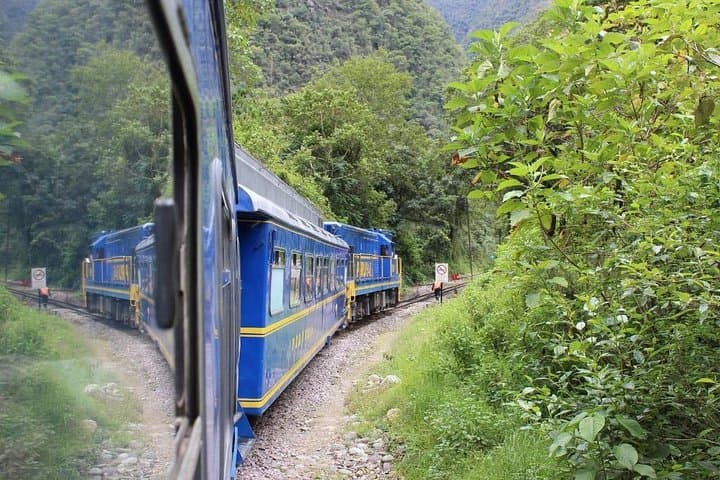
Dawn in the Sacred Valley arrives in a blue chill as the bus eases out of Cusco and the Andes unfold—steep terraces, distant peaks, and the river cutting a polished ribbon through the valley. On day one the group heads to Ollantaytambo, then boards a 1 hour 40 minute train that threads cloud-creased slopes to Aguas Calientes, the town that serves as the gateway to Machu Picchu.
Verified experiences and guided adventures in the surrounding area.
Operated by PaRa Travels · Aguas Calientes, Cusco
Dawn in the Sacred Valley arrives in a blue chill as the bus eases out of Cusco and the Andes unfold—steep terraces, distant peaks, and the river cutting a polished ribbon through the valley. On day one the group heads to Ollantaytambo, then boards a 1 hour 40 minute train that threads cloud-creased slopes to Aguas Calientes, the town that serves as the gateway to Machu Picchu.
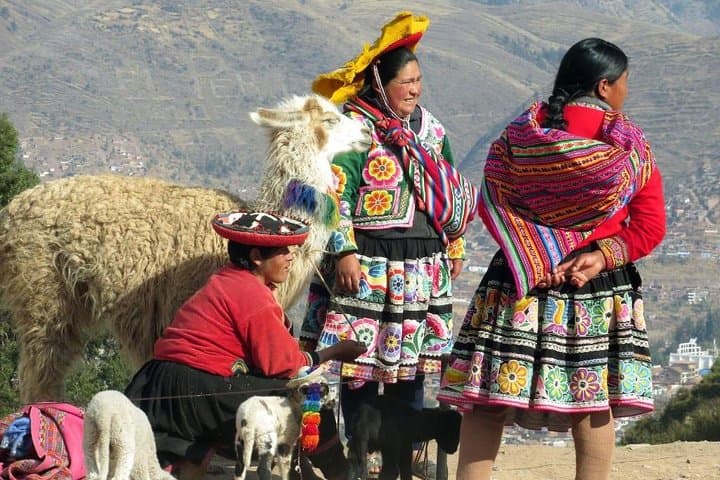
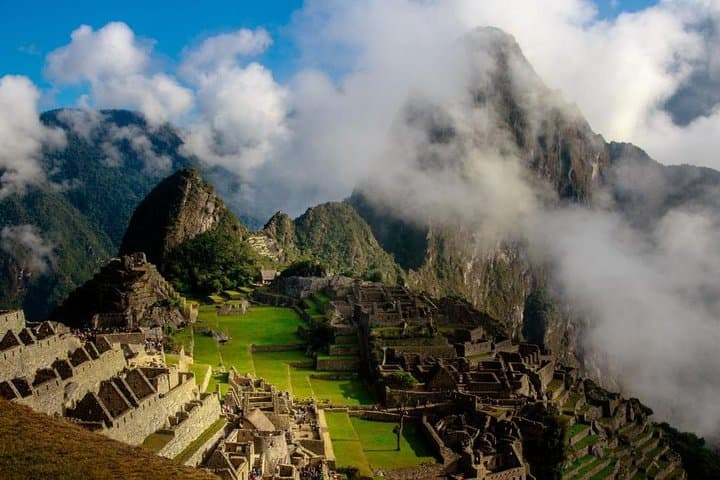
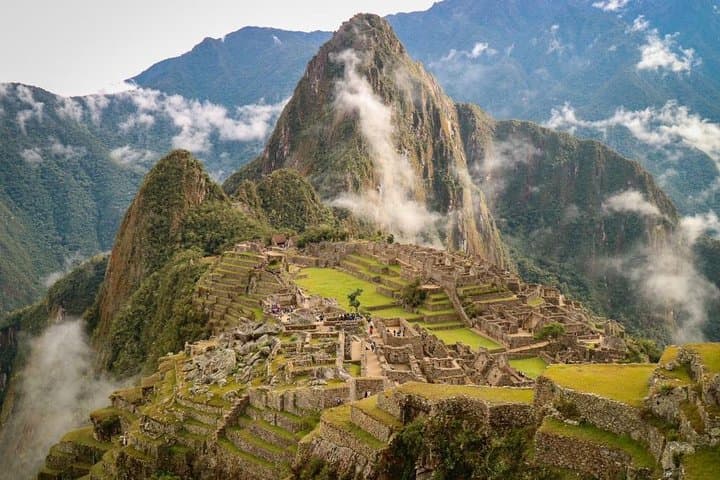
Machu Picchu perches at about 2,430 m (7,970 ft) on a narrow ridge carved by the Urubamba River. Built in the 15th century during the Inca Empire, the citadel’s fine stonework and agricultural terraces reflect local granite geology and sophisticated hydraulic engineering. The modern town’s culture centers on tourism and Andean craft traditions—expect markets of alpaca textiles and local ceviche stalls in Aguas Calientes.
Practicalities shape the experience: the plan calls for a pre-dawn bus at roughly 05:40 up a 7–8 km switchback road or a steep 1–2 hour climb of stone steps from town. Guided tours inside the citadel typically run two hours; if you opt for Huayna Picchu or the Inca Bridge, allow extra time and a separate permit. Altitude matters—many travelers come from Cusco (≈3,400 m) and should hydrate, rest, and go easy on exertion your first day.
Bring layered clothing for cool mornings and strong sun later, a daypack with water and passport (required at the control gate), and comfortable, grippy footwear for uneven stone paths. The schedule is tight: trains and buses are on fixed times, so punctuality is essential. With minimal time but maximum payoff, this two-day plan compresses one of South America’s great archaeological experiences into an accessible, efficiently run visit.
moderate.
2 days.
Moderate fitness—able to walk 1–3 hours uphill on uneven stone steps and stand for a guided 2-hour tour
The journey is about 1 hour 40 minutes and follows the Urubamba River valley through steep Andean scenery.
Possibly, but Huayna Picchu requires a separate timed permit and adds steep, exposed climbing; check availability before booking.
The site has uneven stone surfaces and many steps; people with significant mobility limitations may find access difficult despite bus transport.
Mobile tickets are accepted, but bring government ID (passport) to present at the Machu Picchu control gate.
Machu Picchu was constructed in the 15th century under the Inca and later abandoned during the Spanish conquest era; it was brought to international attention by Hiram Bingham in 1911.
Visitor numbers and erosion threaten terraces and trails—stick to marked paths, carry out trash, and follow the guide’s instructions to minimize impact.
PaRa Travels operates guided outdoor trips and adventures with an emphasis on safety, stewardship, and memorable experiences.
Dawn in the Sacred Valley arrives in a blue chill as the bus eases out of Cusco and the Andes unfold—steep terraces, distant peaks, and the river cutting a polished ribbon through the valley. On day one the group heads to Ollantaytambo, then boards a 1 hour 40 minute train that threads cloud-creased slopes to Aguas Calientes, the town that serves as the gateway to Machu Picchu.
Dawn in the Sacred Valley arrives in a blue chill as the bus eases out of Cusco and the Andes unfold—steep terraces, distant peaks, and the river cutting a polished ribbon through the valley. On day one the group heads to Ollantaytambo, then boards a 1 hour 40 minute train that threads cloud-creased slopes to Aguas Calientes, the town that serves as the gateway to Machu Picchu.
Machu Picchu perches at about 2,430 m (7,970 ft) on a narrow ridge carved by the Urubamba River. Built in the 15th century during the Inca Empire, the citadel’s fine stonework and agricultural terraces reflect local granite geology and sophisticated hydraulic engineering. The modern town’s culture centers on tourism and Andean craft traditions—expect markets of alpaca textiles and local ceviche stalls in Aguas Calientes.
Practicalities shape the experience: the plan calls for a pre-dawn bus at roughly 05:40 up a 7–8 km switchback road or a steep 1–2 hour climb of stone steps from town. Guided tours inside the citadel typically run two hours; if you opt for Huayna Picchu or the Inca Bridge, allow extra time and a separate permit. Altitude matters—many travelers come from Cusco (≈3,400 m) and should hydrate, rest, and go easy on exertion your first day.
Bring layered clothing for cool mornings and strong sun later, a daypack with water and passport (required at the control gate), and comfortable, grippy footwear for uneven stone paths. The schedule is tight: trains and buses are on fixed times, so punctuality is essential. With minimal time but maximum payoff, this two-day plan compresses one of South America’s great archaeological experiences into an accessible, efficiently run visit.