THE ADVENTURE COLLECTIVE® · Independent discovery and booking for outdoor travel

A two-day guided journey from Safaga Port delivers Luxor’s tombs and temples on day one and Aswan’s dam, Philae Temple, and the Unfinished Obelisk on day two. Comfortable transfers, an Egyptologist guide and an overnight in Luxor condense Egypt’s highlights into a single, manageable excursion.
A two-day guided journey from Safaga Port delivers Luxor’s tombs and temples on day one and Aswan’s dam, Philae Temple, and the Unfinished Obelisk on day two. Comfortable transfers, an Egyptologist guide and an overnight in Luxor condense Egypt’s highlights into a single, manageable excursion.
You step off the ship into dry, warm air and find a sign with your name; the engine hum of an air-conditioned van fades as the desert opens toward the Nile. Over two days you move from coastal Safaga through ochre plains to the palm-lined river valleys of Luxor and Aswan, where stone and water argue over the landscape.
Verified experiences and guided adventures in the surrounding area.
Operated by Icon Tours Egypt · Safaga, Red Sea Governorate
You step off the ship into dry, warm air and find a sign with your name; the engine hum of an air-conditioned van fades as the desert opens toward the Nile. Over two days you move from coastal Safaga through ochre plains to the palm-lined river valleys of Luxor and Aswan, where stone and water argue over the landscape.
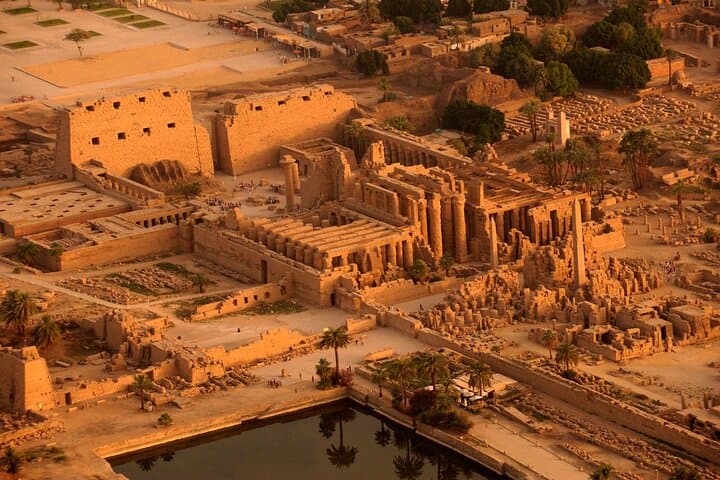
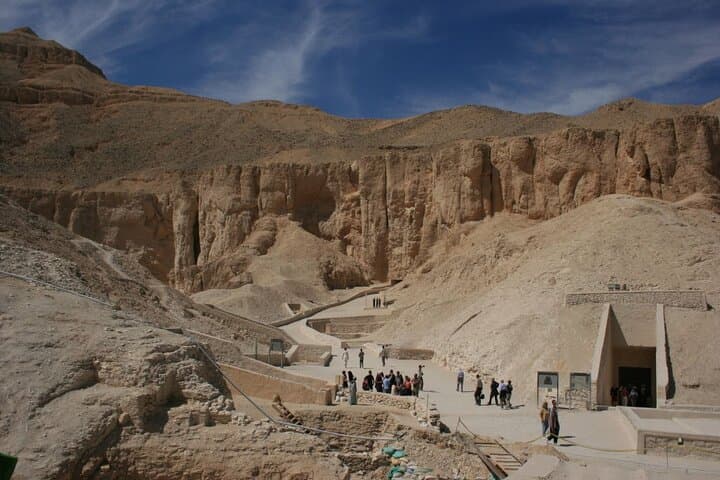
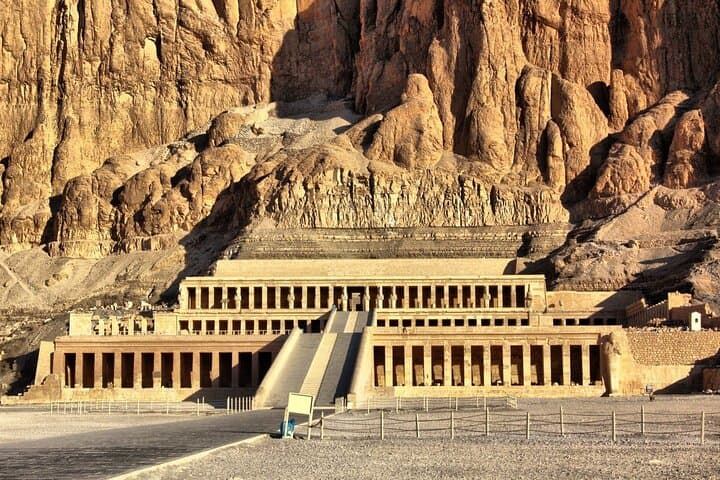
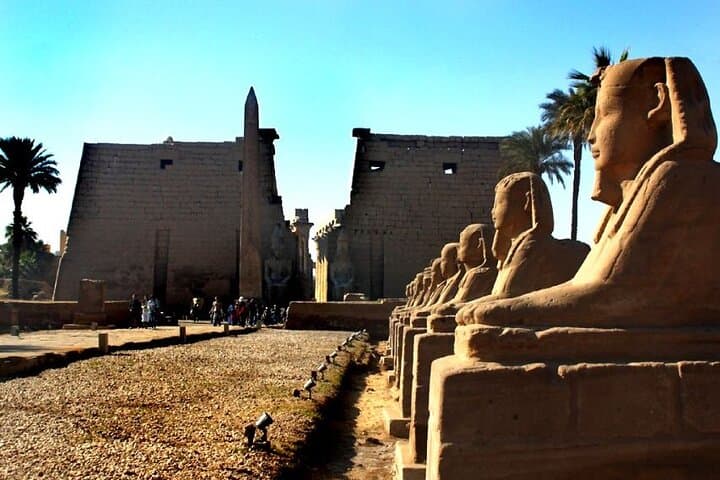
The route reads like a timeline of Egyptian civilization: Luxor’s East and West Banks hold mortuary temples, colossal statues and the rock-cut tombs of the Valley of the Kings; Aswan answers with granite quarries, the Unfinished Obelisk and the mid-20th-century High Dam that reshaped the Nile and modern Egypt. Geology is visible underfoot — sandstone and limestone cliffs scarred by tombs, granite outcrops in quarries where ancient masons worked by hand.
Culturally, your guide is an Egyptologist, translating hieroglyphic scenes and funerary rites into context that connects ruins to people. You’ll see living towns, market stalls and the river’s slow commerce alongside millennia-old monuments.
Practical tips: expect significant walking on uneven surfaces and stairs, limited shade inside open temple complexes, and packed schedules that make efficient use of time. Mornings are coolest and best for photography; bring sun protection, a comfortable pair of walking shoes and a reusable water bottle. Overnight is included in Luxor, giving a short window to rest before the Aswan day trip and return to Safaga.
This excursion suits travelers who want concentrated access to Egypt’s big sites in a tight, guided format with transport and accommodation handled for them.
easy.
2 days (approx. 48 hours).
Suitable for most fitness levels; requires standing and walking on uneven ground and stairs for several hours each day.
Admission to major sites like the Valley of the Kings, Karnak and Philae is included as noted; the tour provides an Egyptologist guide and transfers, but confirm specific ticket inclusions before booking.
Safaga to Luxor is roughly a 3‑hour drive (about 200 km) depending on traffic; Luxor to Aswan is around 3‑4 hours by road (approximately 220–270 km), so expect long travel segments.
The tour involves stairs and uneven surfaces; while vehicle transfers are provided, some sites have limited accessibility—check with the operator about specific needs before booking.
Yes — the itinerary includes one night’s accommodation in Luxor between day one and day two.
Luxor and Aswan sit on the Nile’s ancient artery; Luxor grew from Thebes, the pharaonic capital, while Aswan was a strategic quarrying and trade center controlling southern access.
Rising tourism pressure and river management have altered local ecosystems and cultural landscapes; travelers can reduce impact by staying on paths, avoiding flash photography in sensitive tombs, and using refillable water bottles.
Icon Tours Egypt operates guided outdoor trips and adventures with an emphasis on safety, stewardship, and memorable experiences.
You step off the ship into dry, warm air and find a sign with your name; the engine hum of an air-conditioned van fades as the desert opens toward the Nile. Over two days you move from coastal Safaga through ochre plains to the palm-lined river valleys of Luxor and Aswan, where stone and water argue over the landscape.
You step off the ship into dry, warm air and find a sign with your name; the engine hum of an air-conditioned van fades as the desert opens toward the Nile. Over two days you move from coastal Safaga through ochre plains to the palm-lined river valleys of Luxor and Aswan, where stone and water argue over the landscape.
The route reads like a timeline of Egyptian civilization: Luxor’s East and West Banks hold mortuary temples, colossal statues and the rock-cut tombs of the Valley of the Kings; Aswan answers with granite quarries, the Unfinished Obelisk and the mid-20th-century High Dam that reshaped the Nile and modern Egypt. Geology is visible underfoot — sandstone and limestone cliffs scarred by tombs, granite outcrops in quarries where ancient masons worked by hand.
Culturally, your guide is an Egyptologist, translating hieroglyphic scenes and funerary rites into context that connects ruins to people. You’ll see living towns, market stalls and the river’s slow commerce alongside millennia-old monuments.
Practical tips: expect significant walking on uneven surfaces and stairs, limited shade inside open temple complexes, and packed schedules that make efficient use of time. Mornings are coolest and best for photography; bring sun protection, a comfortable pair of walking shoes and a reusable water bottle. Overnight is included in Luxor, giving a short window to rest before the Aswan day trip and return to Safaga.
This excursion suits travelers who want concentrated access to Egypt’s big sites in a tight, guided format with transport and accommodation handled for them.