THE ADVENTURE COLLECTIVE® · Independent discovery and booking for outdoor travel

In 48 hours you can pair a mountain canopy tour in Malolotja with cultural immersion at Mantenga and the Ngwenya glassworks. This compact overnighter blends easy wilderness access with Swazi craft and city sights around Mbabane.
In 48 hours you can pair a mountain canopy tour in Malolotja with cultural immersion at Mantenga and the Ngwenya glassworks. This compact overnighter blends easy wilderness access with Swazi craft and city sights around Mbabane.
You step out of the air-conditioned vehicle into a highland wind that seems to push you toward the ridge; jagged basalt and grassy plateaus of Malolotja fold away to the north and cattle paths thread the valley below. Day one is a drive across the border from Johannesburg and into a compact country where culture and mountain wilderness are braided tightly together. A guided canopy tour in Malolotja delivers a different kind of altitude—zip lines over indigenous grassland and protea-dotted slopes—followed by a night in a traditional-style hut or comfortable lodge.
Verified experiences and guided adventures in the surrounding area.
Operated by Big Six Tour Safaris · Mbabane, Hhohho
You step out of the air-conditioned vehicle into a highland wind that seems to push you toward the ridge; jagged basalt and grassy plateaus of Malolotja fold away to the north and cattle paths thread the valley below. Day one is a drive across the border from Johannesburg and into a compact country where culture and mountain wilderness are braided tightly together. A guided canopy tour in Malolotja delivers a different kind of altitude—zip lines over indigenous grassland and protea-dotted slopes—followed by a night in a traditional-style hut or comfortable lodge.
Eswatini’s landscape is young African highveld: eroded basalt ridges, narrow river valleys and pockets of montane forest. The Swazi monarchy and centuries of pastoral life shape village layouts, craft markets and the ritual performances you’ll see at Mantenga Cultural Village. Ngwenya’s glassworks repurposed local raw materials into contemporary craft; markets in Ezelweni serve spicy maize porridge and hand-painted fabrics.
Practically, this is a compact, accessible trip: two days, about four hours of driving each way from Johannesburg, short guided walks, and a moderate canopy tour. Expect uneven trails at reserves, some steep steps at cultural sites, and unpredictable mountain weather—sun, wind or rain within hours. Bring layered clothing, sturdy shoes, and cash for market purchases. Plan for early pickups, a full day in the field, and an exit back to South Africa by late afternoon on day two. The itinerary works well for travelers wanting cultural contact and short, high-country adventures without extended trekking.
moderate.
2 days.
Suitable for travelers in average fitness; able to walk short uneven trails and take part in a guided canopy tour
Visa requirements depend on nationality—check with your government and the eSwatini embassy; passports should be valid for your stay.
Transportation and many surfaces are wheelchair accessible, but some reserve trails and canopy platforms have steps and uneven ground.
Accommodations are either a beehive-style hut at Mlilwane/Mantenga lodge or rooms at Mantenga Lodge or Malolotja reserve—lodging is included per itinerary.
Basic meals are included during the tour; bring snacks for long drives and cash for market purchases or extras.
The Kingdom of eSwatini maintains a strong royal tradition; cultural villages recreate Swazi homestead life and performances tied to monarchic ceremonies.
Reserves like Malolotja protect highveld grasslands and endemic flora; stick to trails, take all rubbish out, and buy local crafts to support community livelihoods.
Big Six Tour Safaris operates guided outdoor trips and adventures with an emphasis on safety, stewardship, and memorable experiences.
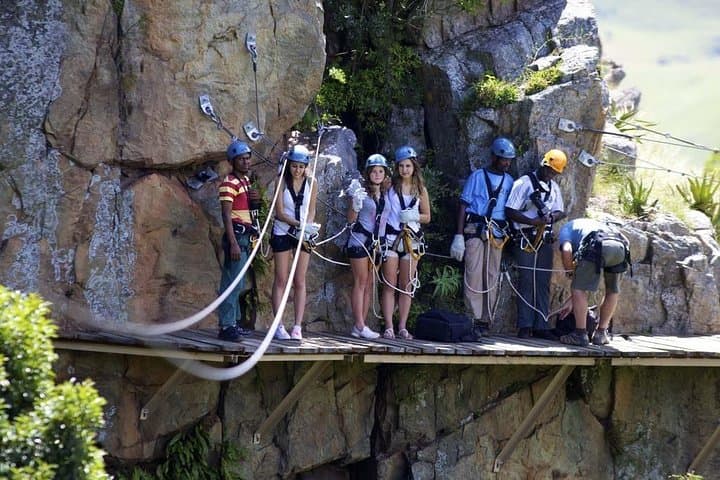
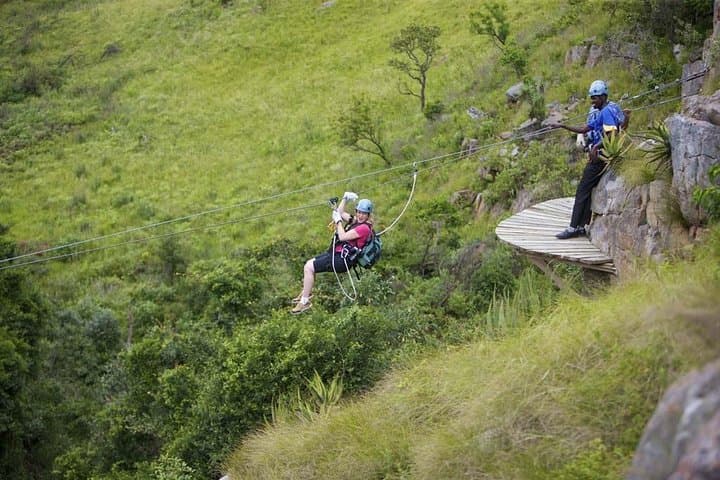
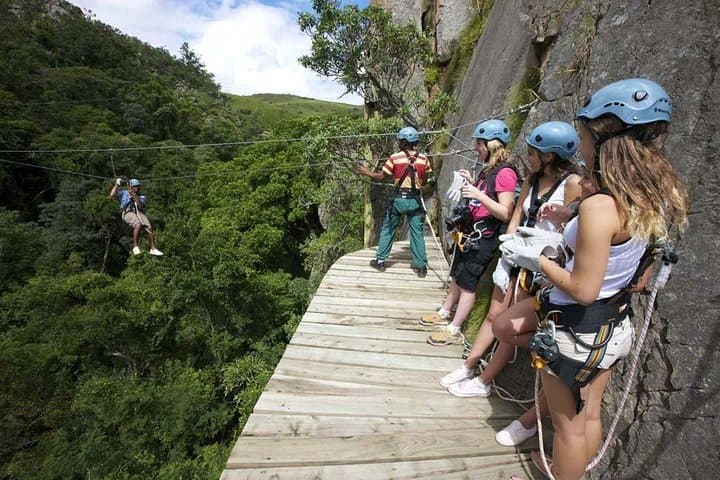
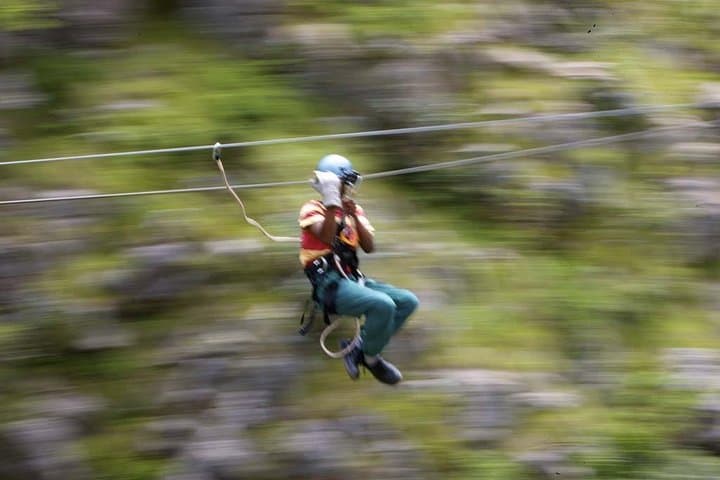
You step out of the air-conditioned vehicle into a highland wind that seems to push you toward the ridge; jagged basalt and grassy plateaus of Malolotja fold away to the north and cattle paths thread the valley below. Day one is a drive across the border from Johannesburg and into a compact country where culture and mountain wilderness are braided tightly together. A guided canopy tour in Malolotja delivers a different kind of altitude—zip lines over indigenous grassland and protea-dotted slopes—followed by a night in a traditional-style hut or comfortable lodge.
You step out of the air-conditioned vehicle into a highland wind that seems to push you toward the ridge; jagged basalt and grassy plateaus of Malolotja fold away to the north and cattle paths thread the valley below. Day one is a drive across the border from Johannesburg and into a compact country where culture and mountain wilderness are braided tightly together. A guided canopy tour in Malolotja delivers a different kind of altitude—zip lines over indigenous grassland and protea-dotted slopes—followed by a night in a traditional-style hut or comfortable lodge.
Eswatini’s landscape is young African highveld: eroded basalt ridges, narrow river valleys and pockets of montane forest. The Swazi monarchy and centuries of pastoral life shape village layouts, craft markets and the ritual performances you’ll see at Mantenga Cultural Village. Ngwenya’s glassworks repurposed local raw materials into contemporary craft; markets in Ezelweni serve spicy maize porridge and hand-painted fabrics.
Practically, this is a compact, accessible trip: two days, about four hours of driving each way from Johannesburg, short guided walks, and a moderate canopy tour. Expect uneven trails at reserves, some steep steps at cultural sites, and unpredictable mountain weather—sun, wind or rain within hours. Bring layered clothing, sturdy shoes, and cash for market purchases. Plan for early pickups, a full day in the field, and an exit back to South Africa by late afternoon on day two. The itinerary works well for travelers wanting cultural contact and short, high-country adventures without extended trekking.