THE ADVENTURE COLLECTIVE® · Independent discovery and booking for outdoor travel

Cover two of Turkey’s headline sites in a single, tightly timed itinerary: walk the marble streets of Ephesus and wade the cotton-white terraces of Pamukkale. This two-day tour combines domestic flights, small-group guiding, and practical transfer logistics for a compact cultural and geological immersion.
Cover two of Turkey’s headline sites in a single, tightly timed itinerary: walk the marble streets of Ephesus and wade the cotton-white terraces of Pamukkale. This two-day tour combines domestic flights, small-group guiding, and practical transfer logistics for a compact cultural and geological immersion.
You step out before dawn in Istanbul, still half-shadowed, and the bus hums toward the airport—two days that compress centuries into footsteps. By midmorning you’re walking the marble main street of Ephesus where columns lean like slow-breathing giants and the carved library facade still frames the sky.
Verified experiences and guided adventures in the surrounding area.
Operated by CENGO · Kuşadası, İzmir Province
You step out before dawn in Istanbul, still half-shadowed, and the bus hums toward the airport—two days that compress centuries into footsteps. By midmorning you’re walking the marble main street of Ephesus where columns lean like slow-breathing giants and the carved library facade still frames the sky.
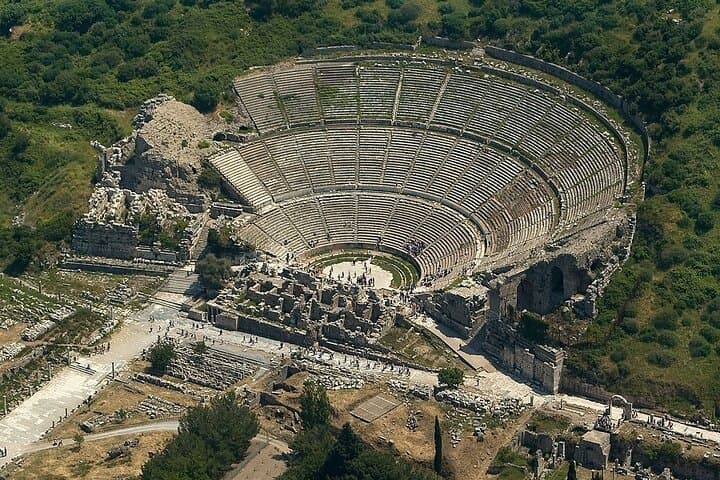
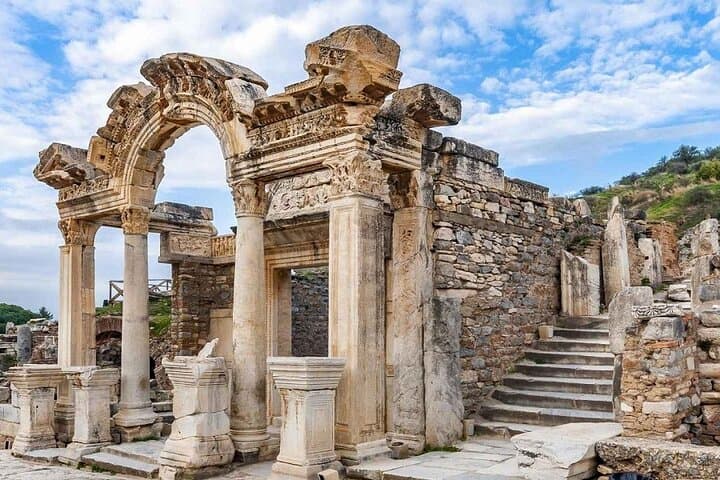
Ephesus and Pamukkale sit on different axes of Turkey’s past: Ephesus, a Roman port city that once hosted traders, philosophers and the Temple of Artemis; Pamukkale, a geological stage where calcium-rich springs have stacked white travertine terraces for millennia. The contrast is immediate—the sun-worn, uneven paving stones of Ephesus that demand steady footing, and the warm, milky pools of Pamukkale whose 35°C thermal water keeps its own slow rhythm.
Culturally the region blends Aegean seafood kitchens, village handicrafts and Ottoman-era mosques that punctuate seafront towns like Kuşadası. Hierapolis, built atop the travertines, layers funerary monuments and a sizeable necropolis into a landscape shaped by hot springs and seismic uplift.
Practical guidance: expect early pick-up from Istanbul, a domestic flight to Izmir, and guided walking tours—Ephesus involves several hours on slopes and steps; Pamukkale requires barefoot walks on delicate terraces (follow site rules). Bring a hat, sturdy walking shoes that you can remove, swimwear for Cleopatra’s Pool, and passport copies for domestic flight booking. If you have spinal or cardiovascular issues, this itinerary is not recommended. Small-group logistics and included transfers get you between sites, but leave room for sun, uneven ground and the slow weight of history on your shoulders.
moderate.
2 days.
Moderate fitness—must manage several hours of walking on uneven stone, steps and short climbs; tolerate early starts and travel days.
Yes—bookings require passport copies to secure domestic flight reservations; send them promptly after booking to avoid operational issues.
No—site rules require bare feet on protected travertine terraces to prevent damage; bring shoes that are easy to remove and a towel for feet.
Swimming in Cleopatra’s Pool is optional and usually a paid extra—bring swimwear and expect archaeological remains in the water.
This itinerary is not recommended for travelers with spinal, serious heart conditions, or pregnant guests due to walking demands and early starts.
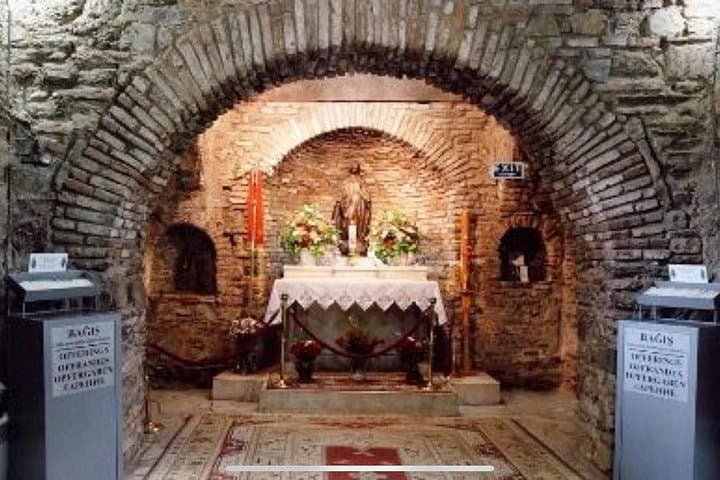
Ephesus flourished as a Roman port and seat of early Christianity; Hierapolis grew around sacred springs and became a healing center in antiquity.
Pamukkale’s travertines are protected; visitors must follow boardwalks and bare-foot rules to limit erosion and preserve mineral terraces.
CENGO operates guided outdoor trips and adventures with an emphasis on safety, stewardship, and memorable experiences.
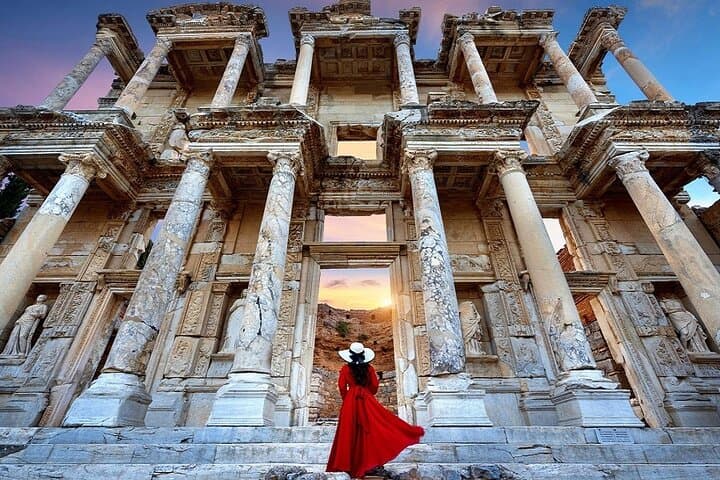
You step out before dawn in Istanbul, still half-shadowed, and the bus hums toward the airport—two days that compress centuries into footsteps. By midmorning you’re walking the marble main street of Ephesus where columns lean like slow-breathing giants and the carved library facade still frames the sky.
You step out before dawn in Istanbul, still half-shadowed, and the bus hums toward the airport—two days that compress centuries into footsteps. By midmorning you’re walking the marble main street of Ephesus where columns lean like slow-breathing giants and the carved library facade still frames the sky.
Ephesus and Pamukkale sit on different axes of Turkey’s past: Ephesus, a Roman port city that once hosted traders, philosophers and the Temple of Artemis; Pamukkale, a geological stage where calcium-rich springs have stacked white travertine terraces for millennia. The contrast is immediate—the sun-worn, uneven paving stones of Ephesus that demand steady footing, and the warm, milky pools of Pamukkale whose 35°C thermal water keeps its own slow rhythm.
Culturally the region blends Aegean seafood kitchens, village handicrafts and Ottoman-era mosques that punctuate seafront towns like Kuşadası. Hierapolis, built atop the travertines, layers funerary monuments and a sizeable necropolis into a landscape shaped by hot springs and seismic uplift.
Practical guidance: expect early pick-up from Istanbul, a domestic flight to Izmir, and guided walking tours—Ephesus involves several hours on slopes and steps; Pamukkale requires barefoot walks on delicate terraces (follow site rules). Bring a hat, sturdy walking shoes that you can remove, swimwear for Cleopatra’s Pool, and passport copies for domestic flight booking. If you have spinal or cardiovascular issues, this itinerary is not recommended. Small-group logistics and included transfers get you between sites, but leave room for sun, uneven ground and the slow weight of history on your shoulders.