THE ADVENTURE COLLECTIVE® · Independent discovery and booking for outdoor travel

Cover two of western Turkey’s greatest ancient sites in 48 hours: walk Ephesus’s marble avenues, climb Pergamum’s acropolis and sleep in a local hotel. This practical two-day program packs history, scenery and local flavor into a compact, active itinerary.
Cover two of western Turkey’s greatest ancient sites in 48 hours: walk Ephesus’s marble avenues, climb Pergamum’s acropolis and sleep in a local hotel. This practical two-day program packs history, scenery and local flavor into a compact, active itinerary.
You step off the coach into Aegean light and the air smells of sea and thyme; marble and carved lintels rise like pages of a history book, their edges warmed by the sun. Walking Curetes Street in Ephesus, the stone underfoot remembers chariot wheels and festival crowds; at Pergamum the hill pushes back, forcing a steady climb past terraces and theater seats that hang off a steep ridge.
Verified experiences and guided adventures in the surrounding area.
Operated by TRAVELIUM · Selçuk, İzmir Province
You step off the coach into Aegean light and the air smells of sea and thyme; marble and carved lintels rise like pages of a history book, their edges warmed by the sun. Walking Curetes Street in Ephesus, the stone underfoot remembers chariot wheels and festival crowds; at Pergamum the hill pushes back, forcing a steady climb past terraces and theater seats that hang off a steep ridge.
Ephesus was a major Roman port and civic center—Celsus Library and the Great Theatre speak to wealth, learning, and civic life. Pergamum answers with its own claim to culture: a famed Hellenistic library, the Asklepion healing sanctuary and a dramatic acropolis stacked on limestone escarpments. Local villages like Şirince offer a quieter counterpoint: small wineries, Ottoman-era houses and Aegean hospitality.
Practical guidance is straightforward. The tour compresses long drives into two days and includes a night in a local 4-star hotel; expect roughly 2–3 km of walking at Ephesus on mostly level but cobbled streets, and a steeper ascent at Pergamum with around 150–250 m of elevation gain over uneven stone steps. Wear sturdy shoes, bring sun protection, and pace yourself on the hill climbs. Carry cash for small purchases and museum entry where required, and follow your guide on fragile sections—archaeological conservation is active and some areas are roped off.
Timing: start early to avoid midday heat and crowds. The rhythm of this trip is brisk but deeply rewarding: two millennia of human story, delivered across stone, sea breeze and hillside views.
moderate.
2 days.
Moderate fitness: comfortable walking for several hours, able to climb uneven stone steps and short steep sections.
Expect 2–3 km of walking at Ephesus over mostly level but cobbled streets, plus a steeper 150–250 m ascent at Pergamum across uneven steps—plan for multiple short hikes across the sites.
The tour includes uneven terrain and stair climbs; children and older travelers should be steady on their feet. Infants are required to sit on laps per operator policy.
The itinerary notes admission is not included for some sites—confirm with the operator which tickets are covered and bring cash for any onsite fees if necessary.
Light, breathable clothing and a sun hat for summer; layers for spring or fall. Aim for spring or fall for milder temperatures and lighter crowds.
Ephesus functioned as a major Roman port and intellectual center (home to a large library and major temple complexes); Pergamum rose as a Hellenistic kingdom famed for its library and its Asklepion healing center.
High visitor numbers and fragile marble require staying on marked paths and following guide instructions; support local conservation by avoiding touching mosaics and by using local services.
TRAVELIUM operates guided outdoor trips and adventures with an emphasis on safety, stewardship, and memorable experiences.
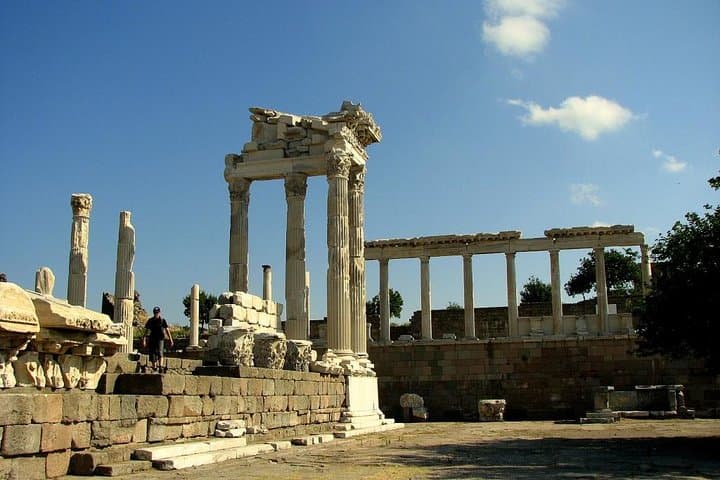
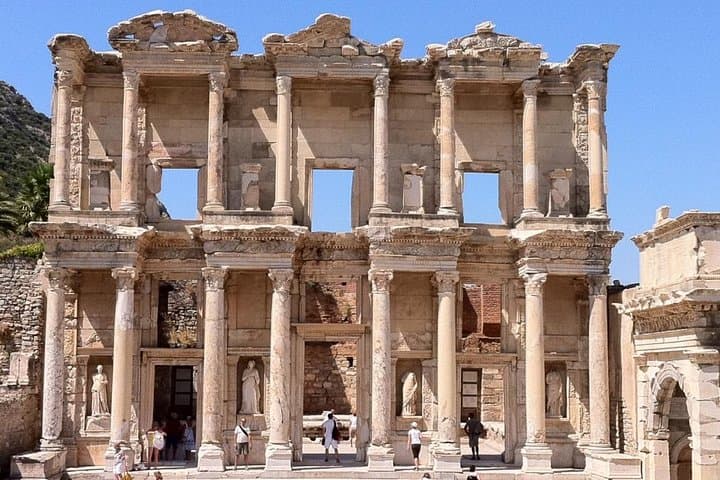
You step off the coach into Aegean light and the air smells of sea and thyme; marble and carved lintels rise like pages of a history book, their edges warmed by the sun. Walking Curetes Street in Ephesus, the stone underfoot remembers chariot wheels and festival crowds; at Pergamum the hill pushes back, forcing a steady climb past terraces and theater seats that hang off a steep ridge.
You step off the coach into Aegean light and the air smells of sea and thyme; marble and carved lintels rise like pages of a history book, their edges warmed by the sun. Walking Curetes Street in Ephesus, the stone underfoot remembers chariot wheels and festival crowds; at Pergamum the hill pushes back, forcing a steady climb past terraces and theater seats that hang off a steep ridge.
Ephesus was a major Roman port and civic center—Celsus Library and the Great Theatre speak to wealth, learning, and civic life. Pergamum answers with its own claim to culture: a famed Hellenistic library, the Asklepion healing sanctuary and a dramatic acropolis stacked on limestone escarpments. Local villages like Şirince offer a quieter counterpoint: small wineries, Ottoman-era houses and Aegean hospitality.
Practical guidance is straightforward. The tour compresses long drives into two days and includes a night in a local 4-star hotel; expect roughly 2–3 km of walking at Ephesus on mostly level but cobbled streets, and a steeper ascent at Pergamum with around 150–250 m of elevation gain over uneven stone steps. Wear sturdy shoes, bring sun protection, and pace yourself on the hill climbs. Carry cash for small purchases and museum entry where required, and follow your guide on fragile sections—archaeological conservation is active and some areas are roped off.
Timing: start early to avoid midday heat and crowds. The rhythm of this trip is brisk but deeply rewarding: two millennia of human story, delivered across stone, sea breeze and hillside views.