THE ADVENTURE COLLECTIVE® · Independent discovery and booking for outdoor travel

Explore Accra on foot over two days—from Jamestown’s colonial piers and the Kwame Nkrumah Memorial to Osu’s Oxford Street and Labadi Beach. This practical guide explains what to expect, how to prepare, and where to find the city’s lesser-known moments.
Explore Accra on foot over two days—from Jamestown’s colonial piers and the Kwame Nkrumah Memorial to Osu’s Oxford Street and Labadi Beach. This practical guide explains what to expect, how to prepare, and where to find the city’s lesser-known moments.
The morning air in Accra carries the ocean and frying oil—salt, smoke, and the quick clack of market voices. On day one you step into Jamestown, where rusting lighthouses and colonial-era clapboard houses push the sea breeze down narrow lanes. The city moves around you: fishermen hauling nets, traders arranging bright bolos, and the slow hum of tro-tros beyond the harbor.
Verified experiences and guided adventures in the surrounding area.
Operated by Ghana Tours · Accra, Greater Accra
The morning air in Accra carries the ocean and frying oil—salt, smoke, and the quick clack of market voices. On day one you step into Jamestown, where rusting lighthouses and colonial-era clapboard houses push the sea breeze down narrow lanes. The city moves around you: fishermen hauling nets, traders arranging bright bolos, and the slow hum of tro-tros beyond the harbor.
Accra sits on a low coastal plain carved by the Atlantic and punctuated by raised beaches and pockets of Precambrian rock inland. Its modern identity was shaped by Ga coastal communities and colonial trade—sites you’ll visit include Jamestown’s fishing piers and the Kwame Nkrumah Memorial, where Ghana’s independence story is narrated in monuments and memorabilia.
On day two the itinerary pivots to Osu’s Oxford Street and Labadi Beach, where the Atlantic dares you to cool off and street drummers push the pace of the afternoon. The National Museum and local craft markets offer context: ceramics, kente snippets, and contemporary Ghanaian art that explain present-day Accra as much as its history does.
Practical guidance: expect a lot of walking on uneven pavement and sandy beach; bring cash for small purchases and museum fees; plan for heat and sudden rain. Tours typically include transportation between major stops but wear shoes that handle sand, alleys and stairways. Early starts beat humidity and crowded markets; late afternoons are best for beachside music and sunset light on the harbor.
moderate.
2 days (approx. 8–10 hours/day).
Suitable for someone with regular walking ability; able to handle multiple hours on foot and some stair climbing.
Some sections have cobblestones, stairs and sandy stretches—infants can use strollers but expect to carry them at times; check with the operator.
Some stops like the National Museum or Labadi Beach activities may require separate entry fees; confirm inclusions at booking.
Accra is generally safe during daytime in busy areas; practice usual precautions: secure belongings, avoid isolated streets at night, and use registered taxis.
Yes—Labadi is popular for swimming but watch local conditions; there are no lifeguards routinely, so exercise caution with currents.
Accra grew from coastal Ga fishing settlements and expanded under British colonial administration; the Kwame Nkrumah Memorial anchors Ghana’s mid-20th-century independence narrative.
Coastal erosion and plastic pollution affect Accra’s beaches—support vendors using minimal packaging and avoid single-use plastics where possible.
Ghana Tours operates guided outdoor trips and adventures with an emphasis on safety, stewardship, and memorable experiences.
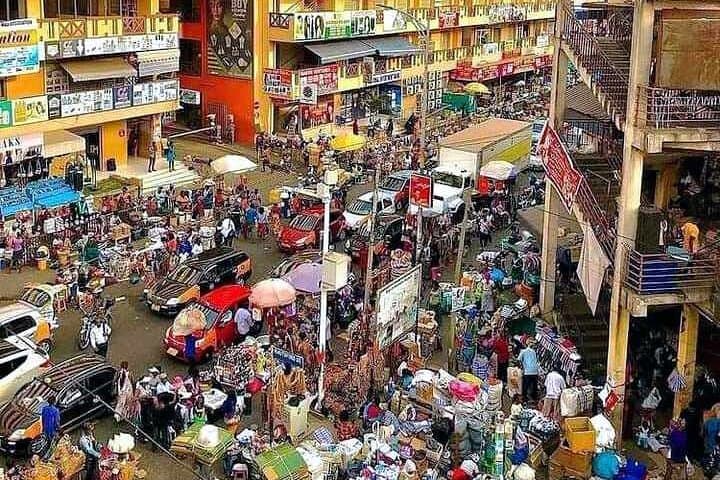

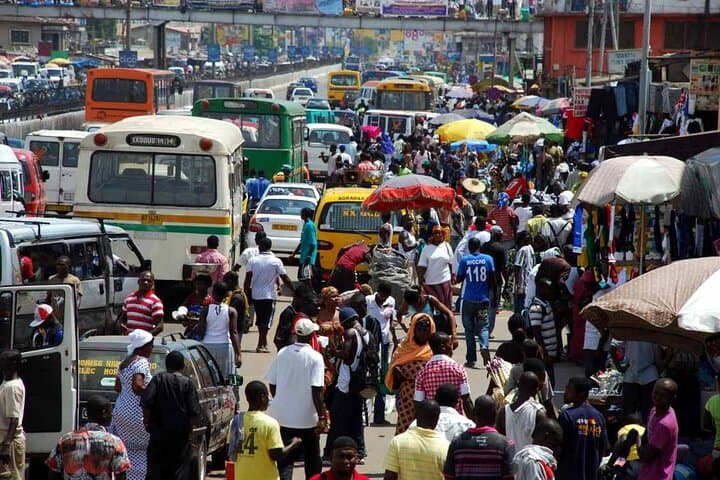

The morning air in Accra carries the ocean and frying oil—salt, smoke, and the quick clack of market voices. On day one you step into Jamestown, where rusting lighthouses and colonial-era clapboard houses push the sea breeze down narrow lanes. The city moves around you: fishermen hauling nets, traders arranging bright bolos, and the slow hum of tro-tros beyond the harbor.
The morning air in Accra carries the ocean and frying oil—salt, smoke, and the quick clack of market voices. On day one you step into Jamestown, where rusting lighthouses and colonial-era clapboard houses push the sea breeze down narrow lanes. The city moves around you: fishermen hauling nets, traders arranging bright bolos, and the slow hum of tro-tros beyond the harbor.
Accra sits on a low coastal plain carved by the Atlantic and punctuated by raised beaches and pockets of Precambrian rock inland. Its modern identity was shaped by Ga coastal communities and colonial trade—sites you’ll visit include Jamestown’s fishing piers and the Kwame Nkrumah Memorial, where Ghana’s independence story is narrated in monuments and memorabilia.
On day two the itinerary pivots to Osu’s Oxford Street and Labadi Beach, where the Atlantic dares you to cool off and street drummers push the pace of the afternoon. The National Museum and local craft markets offer context: ceramics, kente snippets, and contemporary Ghanaian art that explain present-day Accra as much as its history does.
Practical guidance: expect a lot of walking on uneven pavement and sandy beach; bring cash for small purchases and museum fees; plan for heat and sudden rain. Tours typically include transportation between major stops but wear shoes that handle sand, alleys and stairways. Early starts beat humidity and crowded markets; late afternoons are best for beachside music and sunset light on the harbor.