THE ADVENTURE COLLECTIVE® · Independent discovery and booking for outdoor travel

Cross the Middle Atlas in a day and wake on a dune at Erg Chebbi: a two-day small-group tour from Fez pairs Berber villages, a sunset camel ride and an overnight desert camp. Practical, short, and rich in landscape shifts.
Cross the Middle Atlas in a day and wake on a dune at Erg Chebbi: a two-day small-group tour from Fez pairs Berber villages, a sunset camel ride and an overnight desert camp. Practical, short, and rich in landscape shifts.
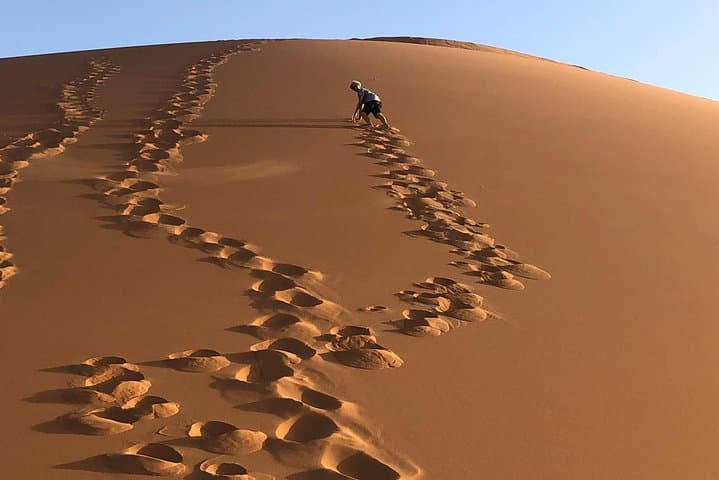
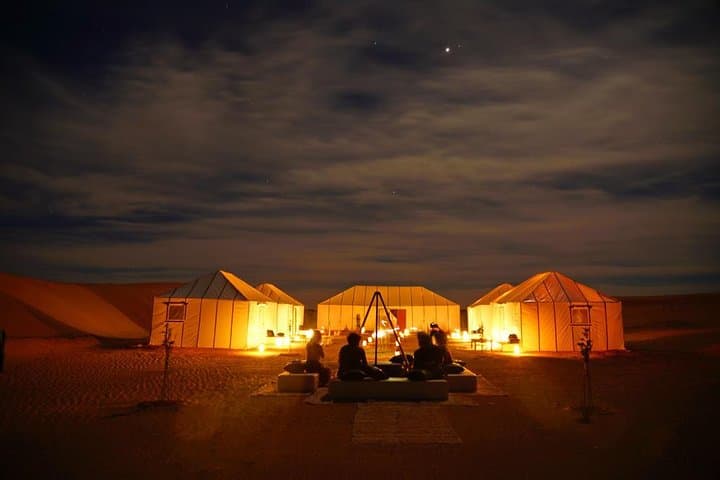
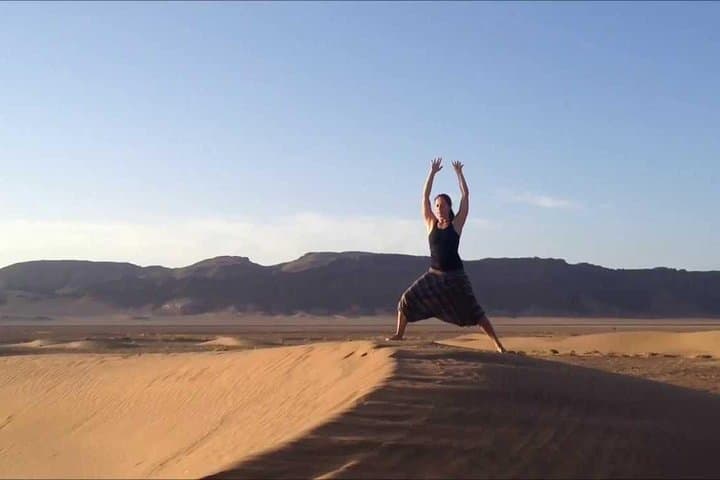
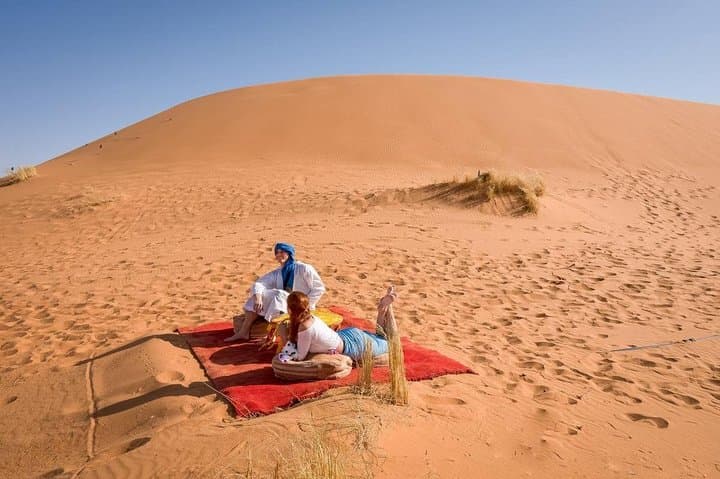
You leave Fez before dawn and watch the city’s tiled roofs shrink as the road climbs into the Middle Atlas, pine-scented air sharpening around you. By late afternoon the landscape changes again: rocky plateaus give way to a long ribbon of golden sand — Erg Chebbi — whose dunes rise like waves caught mid-breach. A short camel ride lifts you onto a dune crest where the wind edits the horizon; at camp, tea steams and stars claim more of the sky than most travelers ever see.
Verified experiences and guided adventures in the surrounding area.
Operated by Morocco tours S · Fez, Fès-Meknès
You leave Fez before dawn and watch the city’s tiled roofs shrink as the road climbs into the Middle Atlas, pine-scented air sharpening around you. By late afternoon the landscape changes again: rocky plateaus give way to a long ribbon of golden sand — Erg Chebbi — whose dunes rise like waves caught mid-breach. A short camel ride lifts you onto a dune crest where the wind edits the horizon; at camp, tea steams and stars claim more of the sky than most travelers ever see.
The route links two distinct geographies. The Middle Atlas, with cedar groves and Berber villages clinging to terraced slopes, reflects Morocco’s mountain traditions. Lower still, the Sahara’s Erg Chebbi formed from wind-sorted sand over millennia and sits near old trans-Saharan routes that moved salt, gold and culture across the desert. Local guides — often from Amazigh (Berber) communities — pass along practical lore: how to read dune wind-forms, where to watch for desert wildlife, and why an evening storm can rewrite tracks in minutes.
Practically, expect long driving segments (roughly 7–8 hours total round trip), simple desert camp accommodation, and a 30–60 minute camel trek at sunset or sunrise. Bring layered clothing for hot days and cold nights, sun protection, water, and a small headlamp. Phones may work sporadically; cash is useful for tips and small purchases. For a two-day taste of Moroccan desert life, this trip balances cultural contact, geology, and low-effort adventure — good for travelers who want desert immersion without extensive trekking.
easy.
2 days.
Suitable for travelers in average fitness; involves short camel rides and minimal walking.
Camel rides are typically 30–60 minutes and meant as short transfers up the dunes for sunset or sunrise viewing.
Camps use shared tents with simple bedding; some provide private tents on request—confirm when booking for upgrades.
Yes, the tour includes pickup in Fez; confirm your pickup point when you book and expect an early departure time.
The tour is marketed as suitable for all fitness levels; camel mounts and dune walking require basic mobility—contact the operator if mobility assistance is needed.
This corridor links Middle Atlas mountain life with historic trans-Saharan routes; many stops pass through long-established Amazigh (Berber) villages and caravan-era waypoints.
Erg Chebbi’s dunes are sensitive to foot and vehicle traffic; stick to marked areas, avoid disturbing vegetation, and follow local guides to minimize impact.
Morocco tours S operates guided outdoor trips and adventures with an emphasis on safety, stewardship, and memorable experiences.
You leave Fez before dawn and watch the city’s tiled roofs shrink as the road climbs into the Middle Atlas, pine-scented air sharpening around you. By late afternoon the landscape changes again: rocky plateaus give way to a long ribbon of golden sand — Erg Chebbi — whose dunes rise like waves caught mid-breach. A short camel ride lifts you onto a dune crest where the wind edits the horizon; at camp, tea steams and stars claim more of the sky than most travelers ever see.
You leave Fez before dawn and watch the city’s tiled roofs shrink as the road climbs into the Middle Atlas, pine-scented air sharpening around you. By late afternoon the landscape changes again: rocky plateaus give way to a long ribbon of golden sand — Erg Chebbi — whose dunes rise like waves caught mid-breach. A short camel ride lifts you onto a dune crest where the wind edits the horizon; at camp, tea steams and stars claim more of the sky than most travelers ever see.
The route links two distinct geographies. The Middle Atlas, with cedar groves and Berber villages clinging to terraced slopes, reflects Morocco’s mountain traditions. Lower still, the Sahara’s Erg Chebbi formed from wind-sorted sand over millennia and sits near old trans-Saharan routes that moved salt, gold and culture across the desert. Local guides — often from Amazigh (Berber) communities — pass along practical lore: how to read dune wind-forms, where to watch for desert wildlife, and why an evening storm can rewrite tracks in minutes.
Practically, expect long driving segments (roughly 7–8 hours total round trip), simple desert camp accommodation, and a 30–60 minute camel trek at sunset or sunrise. Bring layered clothing for hot days and cold nights, sun protection, water, and a small headlamp. Phones may work sporadically; cash is useful for tips and small purchases. For a two-day taste of Moroccan desert life, this trip balances cultural contact, geology, and low-effort adventure — good for travelers who want desert immersion without extensive trekking.