THE ADVENTURE COLLECTIVE® · Independent discovery and booking for outdoor travel

Escape Athens for two days of history, geology and vertiginous monasteries. This guided loop visits Delphi’s oracle, the monasteries of Meteora and the pass of Thermopylae with comfortable transport and local insight.
Escape Athens for two days of history, geology and vertiginous monasteries. This guided loop visits Delphi’s oracle, the monasteries of Meteora and the pass of Thermopylae with comfortable transport and local insight.
You leave Athens mid-morning, the city shrinking behind you as highway and olive groves take over. The road climbs toward the slopes of Mount Parnassus and the light sharpens over Delphi’s ruins: column fragments, a stone theater, and the angled path where pilgrims once approached the Oracle.
Verified experiences and guided adventures in the surrounding area.
Operated by Volos Transfers and Tours · Kalambaka, Thessaly
You leave Athens mid-morning, the city shrinking behind you as highway and olive groves take over. The road climbs toward the slopes of Mount Parnassus and the light sharpens over Delphi’s ruins: column fragments, a stone theater, and the angled path where pilgrims once approached the Oracle.
History sits heavy here—Delphi was the religious center of classical Greece and a pan‑Hellenic meeting place. Geology follows the story: Parnassus’ folded limestone shelters ancient sanctuaries while, later in the trip, Meteora’s towering sandstone pillars were sculpted by river systems, uplift and millennia of erosion. The monasteries that crown those spires—built between the 14th and 16th centuries—feel both fragile and stubborn, human outposts on vertical time.
Culturally the tour ties myth to place: Apollo’s oracle, Byzantine monastic traditions, and the narrow pass at Thermopylae where history’s narratives of courage were forged. Expect short hikes across uneven stone at Delphi, steep steps and handrails at Meteora viewpoints, and multiple scenic pull‑offs for photos.
Practical guidance: wear supportive footwear, bring layered clothing for variable winds atop the rocks, and carry a refillable water bottle. Sunrise and sunset light make Meteora especially photogenic—plan one early morning or late afternoon visit. Modest dress is required inside active monasteries (shoulders/knees covered) and some entry fees and busier viewpoints may have queues. The itinerary involves long drives (Athens–Delphi ~2.5 hrs; Delphi–Meteora ~3–3.5 hrs); plan rest and motion‑comfort needs accordingly.
moderate.
2 days (approx. 48 hours).
Comfortable with periods of standing and short uphill walks; able to climb stairs and manage uneven terrain.
Typically entrance fees are not included; your operator will clarify during booking—bring cash or card for tickets and monastery donations.
Yes—physical demands are low overall, but expect stairs and short walks; notify the operator of mobility concerns for tailored assistance.
Expect significant driving: Athens–Delphi ~2.5 hours, Delphi–Meteora ~3–3.5 hours, with additional stops between sites; plan for rest breaks.
You can enter several active monasteries on Meteora, but some have limited hours or closures; modest dress is required and cameras may be restricted inside.
Delphi was the religious center of ancient Greece dedicated to Apollo; Meteora’s monasteries were established by ascetics seeking isolation and safety during Byzantine decline.
Meteora is a UNESCO site with visitor limits at sensitive monasteries—stick to marked paths and avoid climbing rock faces; support local businesses to keep heritage sites maintained.
Volos Transfers and Tours operates guided outdoor trips and adventures with an emphasis on safety, stewardship, and memorable experiences.
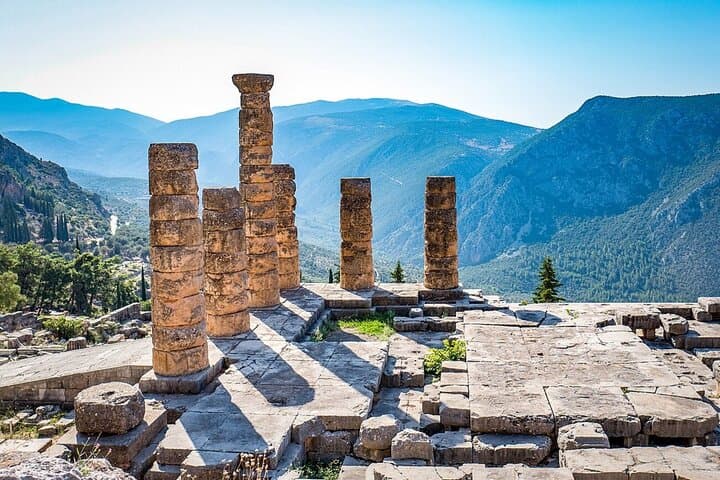
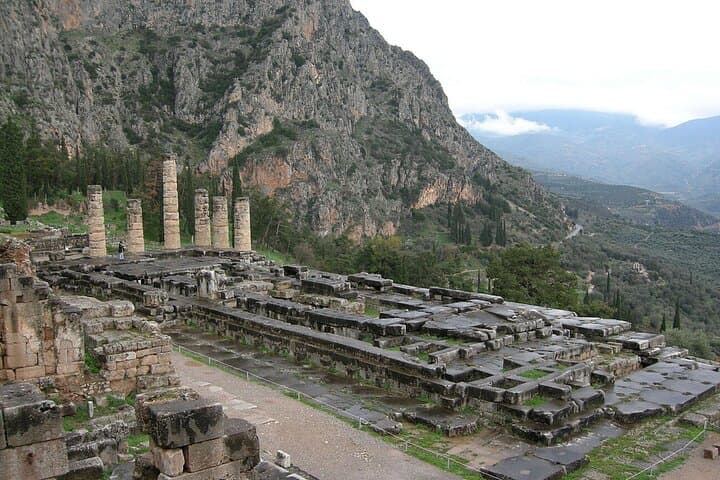
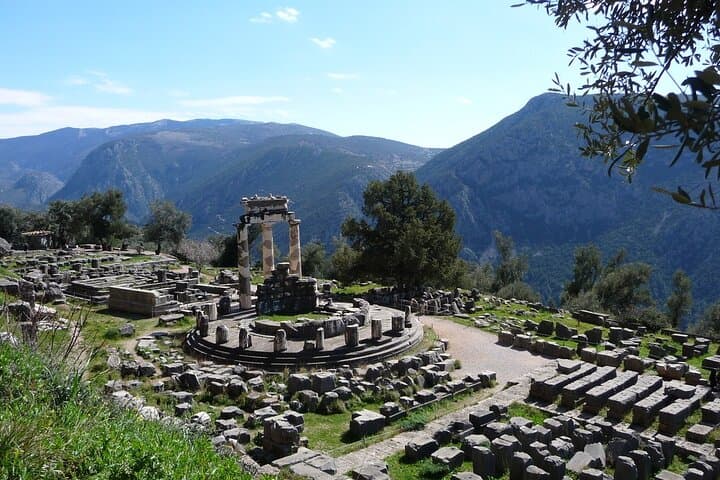
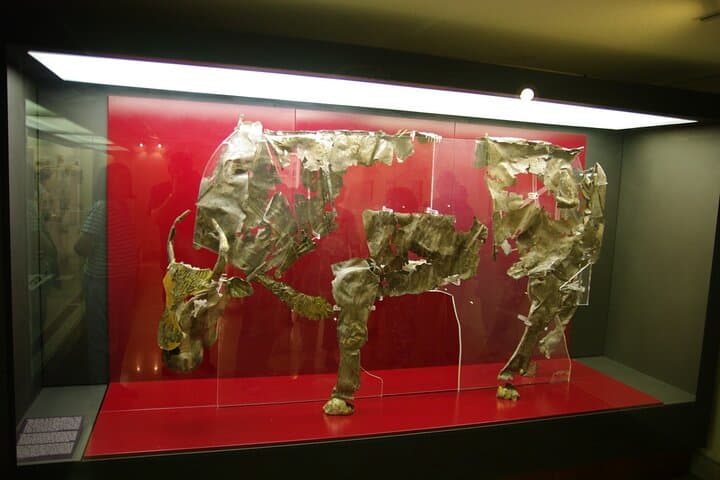
You leave Athens mid-morning, the city shrinking behind you as highway and olive groves take over. The road climbs toward the slopes of Mount Parnassus and the light sharpens over Delphi’s ruins: column fragments, a stone theater, and the angled path where pilgrims once approached the Oracle.
You leave Athens mid-morning, the city shrinking behind you as highway and olive groves take over. The road climbs toward the slopes of Mount Parnassus and the light sharpens over Delphi’s ruins: column fragments, a stone theater, and the angled path where pilgrims once approached the Oracle.
History sits heavy here—Delphi was the religious center of classical Greece and a pan‑Hellenic meeting place. Geology follows the story: Parnassus’ folded limestone shelters ancient sanctuaries while, later in the trip, Meteora’s towering sandstone pillars were sculpted by river systems, uplift and millennia of erosion. The monasteries that crown those spires—built between the 14th and 16th centuries—feel both fragile and stubborn, human outposts on vertical time.
Culturally the tour ties myth to place: Apollo’s oracle, Byzantine monastic traditions, and the narrow pass at Thermopylae where history’s narratives of courage were forged. Expect short hikes across uneven stone at Delphi, steep steps and handrails at Meteora viewpoints, and multiple scenic pull‑offs for photos.
Practical guidance: wear supportive footwear, bring layered clothing for variable winds atop the rocks, and carry a refillable water bottle. Sunrise and sunset light make Meteora especially photogenic—plan one early morning or late afternoon visit. Modest dress is required inside active monasteries (shoulders/knees covered) and some entry fees and busier viewpoints may have queues. The itinerary involves long drives (Athens–Delphi ~2.5 hrs; Delphi–Meteora ~3–3.5 hrs); plan rest and motion‑comfort needs accordingly.