THE ADVENTURE COLLECTIVE® · Independent discovery and booking for outdoor travel

A private two-day loop from Athens that pairs Delphi’s ancient oracle and theater with the dramatic cliff-top monasteries of Meteora. Expect archaeological ruins, steep stone steps, and soaring views over the Thessalian plain.
A private two-day loop from Athens that pairs Delphi’s ancient oracle and theater with the dramatic cliff-top monasteries of Meteora. Expect archaeological ruins, steep stone steps, and soaring views over the Thessalian plain.
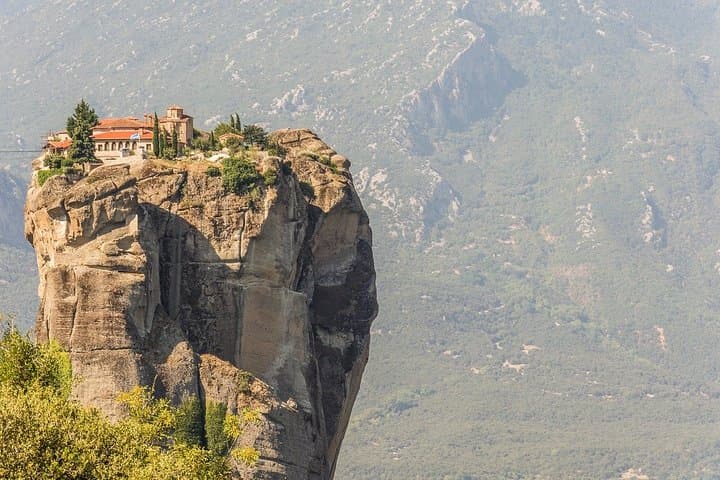
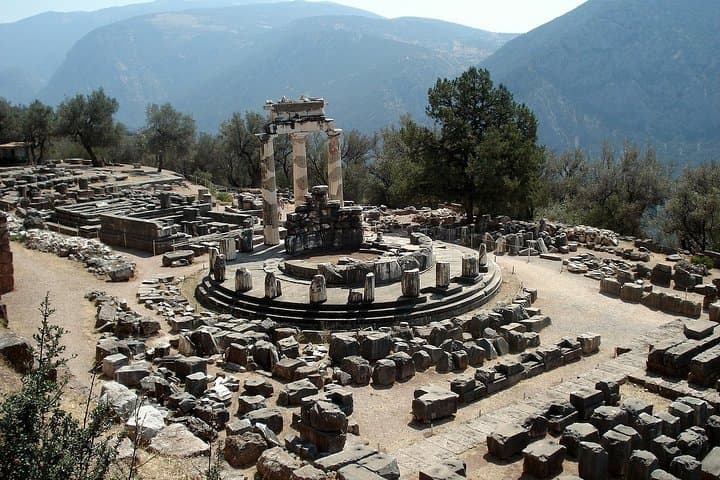
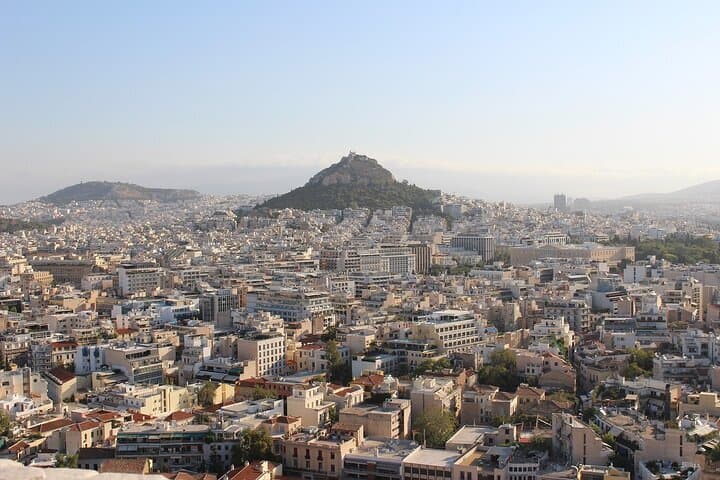
You step out of Athens into open highway light and the landscape immediately changes—olive groves and low hills give way to the wide Thessalian plain, and by day’s end the Meteora towers loom like grey giants daring you to climb. The first day drops you into Delphi’s stony theater and the Temple of Apollo, where wind carries the faint echo of oracular voices across terraces of broken columns. Ancient pathways rise and fall; each quarry-cut step has seen traders, pilgrims and scholars over two millennia.
Verified experiences and guided adventures in the surrounding area.
Operated by REMAZ TOURS GmbH · Kalabaka, Thessaly
You step out of Athens into open highway light and the landscape immediately changes—olive groves and low hills give way to the wide Thessalian plain, and by day’s end the Meteora towers loom like grey giants daring you to climb. The first day drops you into Delphi’s stony theater and the Temple of Apollo, where wind carries the faint echo of oracular voices across terraces of broken columns. Ancient pathways rise and fall; each quarry-cut step has seen traders, pilgrims and scholars over two millennia.
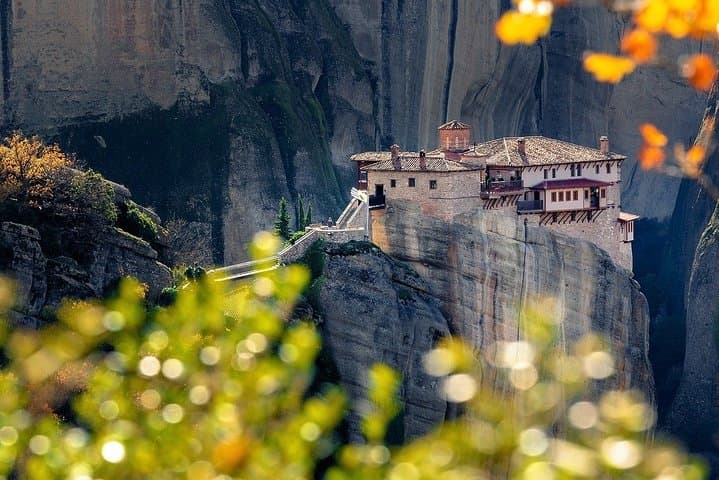
Geology here reads like a slow-motion sculpture: Delphi sits on limestone folds shaped by tectonics, while Meteora’s pillars are sandstone and conglomerate columns weathered over millions of years into isolated rock towers. The monasteries—Byzantine strongholds of prayer and art—perched on these summits from the 14th century, preserve frescoes and relics that tell a story of monastic resilience and local craft traditions.
On day two prepare for stairs, narrow walkways and sudden viewpoints that reward steady pacing with sweeping panoramas of the plain and the Pindus foothills. Practical details matter: modest clothing for monastery entry, small cash for entrance or donations, and sturdy footwear for uneven ancient steps. Bring layers—the temperature drops quickly above the rocks—and a camera with extra battery; the light shifts fast.
This private, two-day rhythm—Delphi’s archaeology, evening in Kalabaka, morning among Meteora’s monasteries—balances cultural depth with manageable walking, making it an efficient and evocative way to experience two of Greece’s most compelling landscapes.
moderate.
2 days.
Suitable for travelers who can walk several kilometers across uneven, stepped terrain and climb multiple flights of stone stairs.
Not always—this private tour may require separate admission fees at some sites; bring cash and check the operator’s inclusions before travel.
Expect several hours of moderate walking each day, including steep stone steps and uneven paths at archaeological sites and monasteries.
Yes—many monasteries allow interior visits to chapels and museum rooms, but access is controlled and dress codes are enforced.
The tour is family-friendly but not ideal for those with significant mobility limitations due to stairs and uneven terrain; contact the operator about specific accessibility needs.
Delphi was the religious center of ancient Greece where the Oracle of Apollo advised city-states; Meteora became a monastic refuge in the Byzantine era, its monasteries linked by ropes and ladders before staircases were carved.
Both sites are managed to balance tourism with preservation—follow paths, avoid touching frescoes and respect restricted areas to limit wear on fragile stone and artworks.
REMAZ TOURS GmbH operates guided outdoor trips and adventures with an emphasis on safety, stewardship, and memorable experiences.
You step out of Athens into open highway light and the landscape immediately changes—olive groves and low hills give way to the wide Thessalian plain, and by day’s end the Meteora towers loom like grey giants daring you to climb. The first day drops you into Delphi’s stony theater and the Temple of Apollo, where wind carries the faint echo of oracular voices across terraces of broken columns. Ancient pathways rise and fall; each quarry-cut step has seen traders, pilgrims and scholars over two millennia.
You step out of Athens into open highway light and the landscape immediately changes—olive groves and low hills give way to the wide Thessalian plain, and by day’s end the Meteora towers loom like grey giants daring you to climb. The first day drops you into Delphi’s stony theater and the Temple of Apollo, where wind carries the faint echo of oracular voices across terraces of broken columns. Ancient pathways rise and fall; each quarry-cut step has seen traders, pilgrims and scholars over two millennia.
Geology here reads like a slow-motion sculpture: Delphi sits on limestone folds shaped by tectonics, while Meteora’s pillars are sandstone and conglomerate columns weathered over millions of years into isolated rock towers. The monasteries—Byzantine strongholds of prayer and art—perched on these summits from the 14th century, preserve frescoes and relics that tell a story of monastic resilience and local craft traditions.
On day two prepare for stairs, narrow walkways and sudden viewpoints that reward steady pacing with sweeping panoramas of the plain and the Pindus foothills. Practical details matter: modest clothing for monastery entry, small cash for entrance or donations, and sturdy footwear for uneven ancient steps. Bring layers—the temperature drops quickly above the rocks—and a camera with extra battery; the light shifts fast.
This private, two-day rhythm—Delphi’s archaeology, evening in Kalabaka, morning among Meteora’s monasteries—balances cultural depth with manageable walking, making it an efficient and evocative way to experience two of Greece’s most compelling landscapes.