THE ADVENTURE COLLECTIVE® · Independent discovery and booking for outdoor travel

Two days of highland lakes, minority markets and mountain views: cruise Erhai, watch tie-dye traditions in Zhoucheng, then drive to Lijiang to glimpse Dongba culture and Black Dragon Pool. This compact route pairs easy walking with scenic drives and local immersion.
Two days of highland lakes, minority markets and mountain views: cruise Erhai, watch tie-dye traditions in Zhoucheng, then drive to Lijiang to glimpse Dongba culture and Black Dragon Pool. This compact route pairs easy walking with scenic drives and local immersion.
A cool morning market opens before dawn in Xizhou: vendors in embroidered Bai dress arrange spices and poultry under a sky that lightens over Cangshan. By mid-day you’re skimming Erhai’s glass with the mountain range daring the water to mirror it; gulls wheel and fishermen work the shallow edges. On Day Two the road climbs toward Lijiang, and the Jade Dragon’s snow-capped ridgelines grow from distant rumor to a sharp, white silhouette above Black Dragon Pool.
Verified experiences and guided adventures in the surrounding area.
Operated by Wonders Of Yunnan Travel · Dali, Yunnan
A cool morning market opens before dawn in Xizhou: vendors in embroidered Bai dress arrange spices and poultry under a sky that lightens over Cangshan. By mid-day you’re skimming Erhai’s glass with the mountain range daring the water to mirror it; gulls wheel and fishermen work the shallow edges. On Day Two the road climbs toward Lijiang, and the Jade Dragon’s snow-capped ridgelines grow from distant rumor to a sharp, white silhouette above Black Dragon Pool.
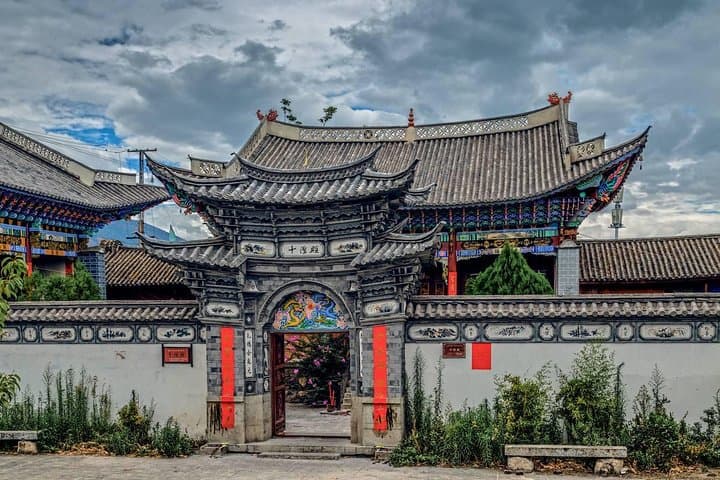
This itinerary threads two distinct cultural landscapes. Dali is the historical homeland of the Bai people, known for courtyard houses and tie-dye workshops in Zhoucheng. Lijiang carries Naxi and Dongba influences shaped by centuries on the Tea Horse Road; its canal system and wooden architecture once guided traders and mule trains through the mountains. Geologically, you travel a transition zone where the eastern Tibetan plateau meets Yunnan’s karst and alpine basins—hence dramatic peaks, deep lakes, and fertile low valleys.
Expect markets, museums, short village walks, and a 90-minute Erhai cruise; most stops include admission and transfer. The drive between Dali and Lijiang is about 2.5 hours on well-maintained regional roads—plan for altitude gain as Lijiang sits higher than Dali. Practical notes: dawn is the best time for local markets and photography; cobbled streets and village lanes require sturdy shoes; layers are necessary for sunny days and chilly mountain evenings. Bring water, respect local dress and rituals (ask before photographing people), and use the included English guide to deepen cultural insight while minimizing your footprint.
moderate.
2 days (approx. 8–10 hours active touring total).
Moderate: comfortable walking on uneven village lanes and short stair sections; able to sit through drives up to 2.5 hours.
Yes—entrance tickets listed in the itinerary and private transportation between sites are included, as well as hotel for one night and one breakfast.
The transfer takes about 2.5 hours each way on regional highways; expect stops for sightseeing along the route.
An English-speaking guide is provided for the duration of the tour to explain cultural sites and handle logistics.
Dali sits around 1,970 m and Lijiang around 2,400 m; most visitors acclimate quickly, but stay hydrated and avoid strenuous exertion on arrival if sensitive to altitude.
Dali and Lijiang were key hubs on the historic Tea Horse Road; both towns preserve ethnic Bai and Naxi cultural practices shaped by centuries of trade and mountain agriculture.
Erhai and surrounding waters face pressure from development and runoff—choose operators who support local waste reduction, stay on marked paths, and avoid single-use plastics.
Wonders Of Yunnan Travel operates guided outdoor trips and adventures with an emphasis on safety, stewardship, and memorable experiences.
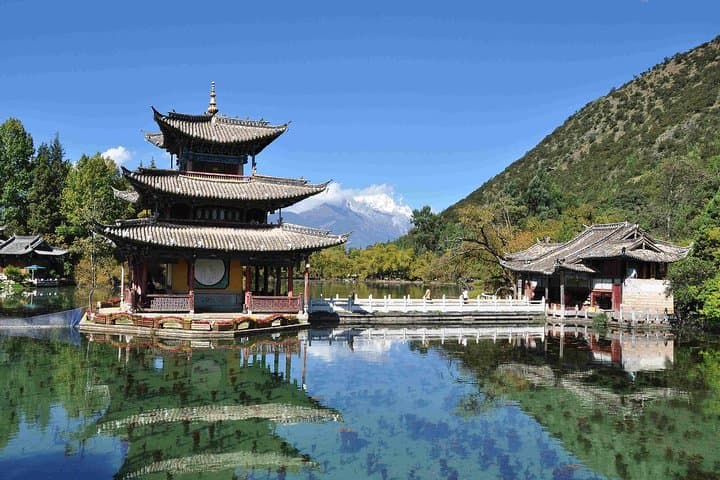
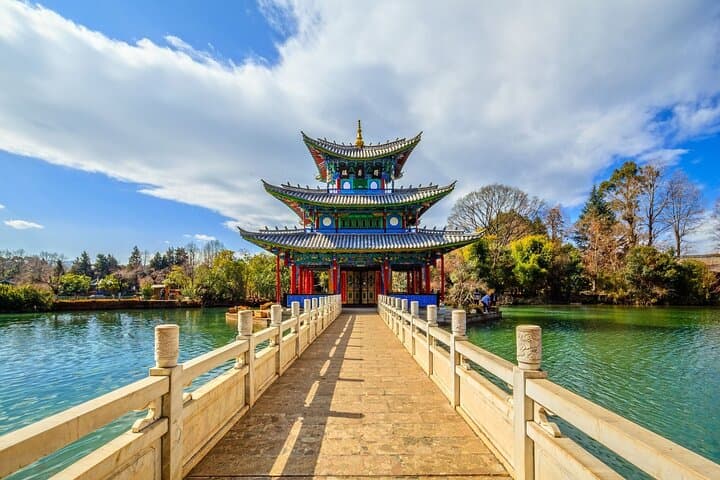
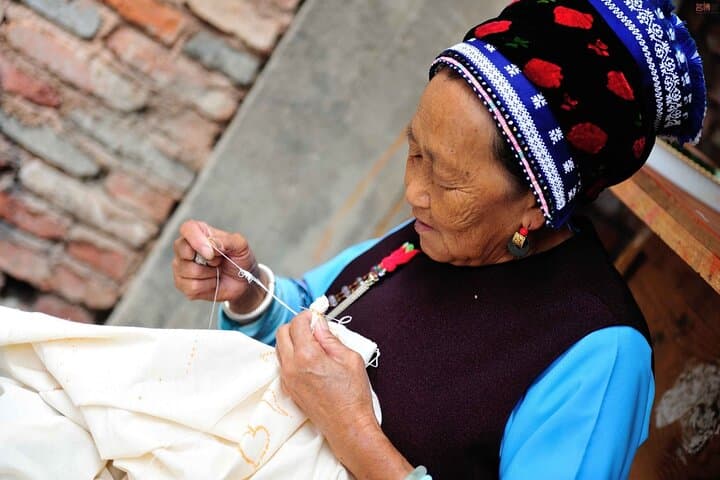
A cool morning market opens before dawn in Xizhou: vendors in embroidered Bai dress arrange spices and poultry under a sky that lightens over Cangshan. By mid-day you’re skimming Erhai’s glass with the mountain range daring the water to mirror it; gulls wheel and fishermen work the shallow edges. On Day Two the road climbs toward Lijiang, and the Jade Dragon’s snow-capped ridgelines grow from distant rumor to a sharp, white silhouette above Black Dragon Pool.
A cool morning market opens before dawn in Xizhou: vendors in embroidered Bai dress arrange spices and poultry under a sky that lightens over Cangshan. By mid-day you’re skimming Erhai’s glass with the mountain range daring the water to mirror it; gulls wheel and fishermen work the shallow edges. On Day Two the road climbs toward Lijiang, and the Jade Dragon’s snow-capped ridgelines grow from distant rumor to a sharp, white silhouette above Black Dragon Pool.
This itinerary threads two distinct cultural landscapes. Dali is the historical homeland of the Bai people, known for courtyard houses and tie-dye workshops in Zhoucheng. Lijiang carries Naxi and Dongba influences shaped by centuries on the Tea Horse Road; its canal system and wooden architecture once guided traders and mule trains through the mountains. Geologically, you travel a transition zone where the eastern Tibetan plateau meets Yunnan’s karst and alpine basins—hence dramatic peaks, deep lakes, and fertile low valleys.
Expect markets, museums, short village walks, and a 90-minute Erhai cruise; most stops include admission and transfer. The drive between Dali and Lijiang is about 2.5 hours on well-maintained regional roads—plan for altitude gain as Lijiang sits higher than Dali. Practical notes: dawn is the best time for local markets and photography; cobbled streets and village lanes require sturdy shoes; layers are necessary for sunny days and chilly mountain evenings. Bring water, respect local dress and rituals (ask before photographing people), and use the included English guide to deepen cultural insight while minimizing your footprint.