THE ADVENTURE COLLECTIVE® · Independent discovery and booking for outdoor travel

Two compact days link Dakar’s markets and monuments with Gorée’s storied lanes, the buoyant mauve of Lac Rose and a ranger-led safari at Bandia Reserve. Expect cobbles, ferries, salt flats and dusty 4x4 tracks—big contrasts in a short time.
Two compact days link Dakar’s markets and monuments with Gorée’s storied lanes, the buoyant mauve of Lac Rose and a ranger-led safari at Bandia Reserve. Expect cobbles, ferries, salt flats and dusty 4x4 tracks—big contrasts in a short time.
You step off the ferry as gulls call and the Atlantic pushes at the quay; narrow streets slope uphill between pastel houses and the quiet weight of history. On day one the city—markets, the African Renaissance Monument, and the Soumbédioune fish market—feels immediate and busy; by late afternoon the soft mauve of Lac Rose (Lake Retba) refracts the sun and the world slows.
Verified experiences and guided adventures in the surrounding area.
Operated by Senegal Tourist Guide · Dakar, Dakar Region
You step off the ferry as gulls call and the Atlantic pushes at the quay; narrow streets slope uphill between pastel houses and the quiet weight of history. On day one the city—markets, the African Renaissance Monument, and the Soumbédioune fish market—feels immediate and busy; by late afternoon the soft mauve of Lac Rose (Lake Retba) refracts the sun and the world slows.
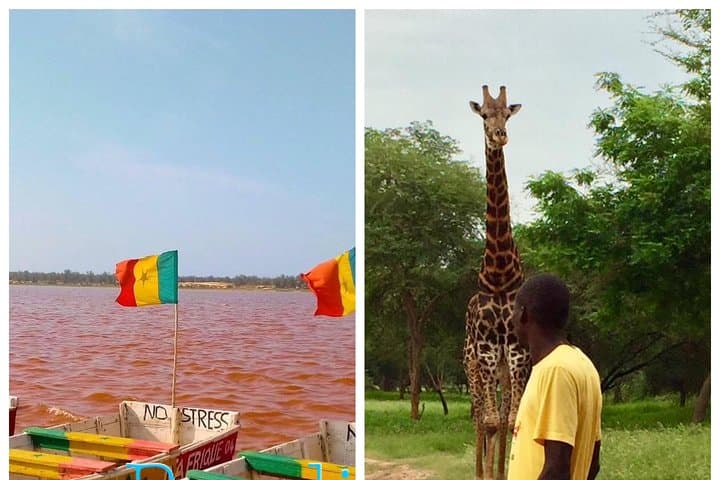
Gorée Island carries one of Senegal’s most visible legacies: the House of Slaves and its small rooms that mark transatlantic history. Geology shifts quickly—granite, dunes and salt flats meet the ocean—and local Wolof culture threads markets, galleries and fishing communities. Bandia Reserve shifts the tone again: low savannah trees frame tracks where giraffes, antelope and warthogs appear between baobabs and acacia.
Practicalities shape the trip: expect cobbled streets and short uphill walks on Gorée, a 30–40 minute ferry crossing from Dakar, and dusty 4x4 tracks in Bandia with bumpy, low-speed drives. Lac Rose’s shallow salt shelf increases buoyancy but can be hot and exposed; sandals and quick-dry swimwear are handy. Bring sun protection, a refillable water bottle (Dakar’s tap water isn’t reliably potable for visitors), and local currency (CFA franc) for markets and tips. Tours typically run full days—plan for early starts, a lunch break near each site, and a ranger-led safari in an open 4WD. Respect cultural sites: modest dress is advised in neighborhoods and at memorials. With basic fitness for walking and tolerance for heat and dust, this two-day loop delivers both cultural depth and wildlife glimpses across Senegal’s coastal landscape.
moderate.
2 days (approx. 8–10 hours per day).
Basic to moderate fitness for standing, short uphill walks on cobbles and time in an open 4x4; not strenuous.
Most tours include ferry transport; confirm with your operator about ticket type and return schedules.
Yes—many visitors float due to high salinity, but avoid swallowing the water and rinse off afterwards.
Bandia Reserve admission is often included on packaged tours; check your booking details for inclusions.
Short walks are required and ferry ramps vary; it’s family-friendly but may be challenging for guests with significant mobility restrictions.
Gorée Island was a key Atlantic trade stop; the House of Slaves is a small museum and memorial that highlights Senegal’s role in the transatlantic slave trade.
Bandia Reserve operates as a private sanctuary focused on habitat restoration and anti-poaching patrols; Lac Rose faces ecological pressure from salt harvesting and changing rainfall patterns, so minimize disturbance to collectors.
Senegal Tourist Guide operates guided outdoor trips and adventures with an emphasis on safety, stewardship, and memorable experiences.
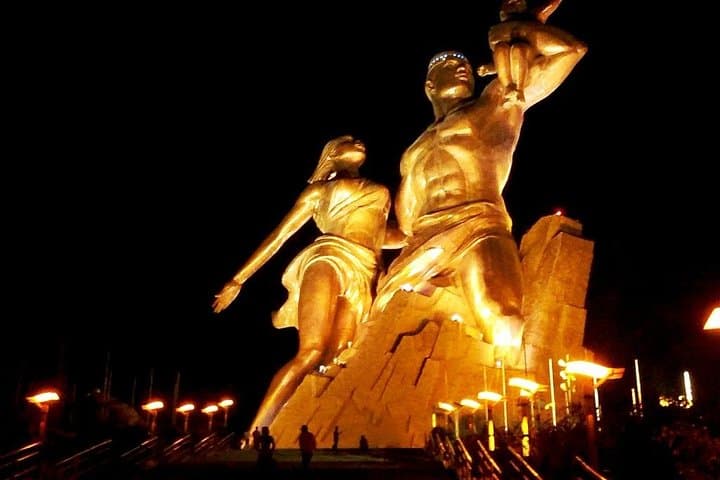
You step off the ferry as gulls call and the Atlantic pushes at the quay; narrow streets slope uphill between pastel houses and the quiet weight of history. On day one the city—markets, the African Renaissance Monument, and the Soumbédioune fish market—feels immediate and busy; by late afternoon the soft mauve of Lac Rose (Lake Retba) refracts the sun and the world slows.
You step off the ferry as gulls call and the Atlantic pushes at the quay; narrow streets slope uphill between pastel houses and the quiet weight of history. On day one the city—markets, the African Renaissance Monument, and the Soumbédioune fish market—feels immediate and busy; by late afternoon the soft mauve of Lac Rose (Lake Retba) refracts the sun and the world slows.
Gorée Island carries one of Senegal’s most visible legacies: the House of Slaves and its small rooms that mark transatlantic history. Geology shifts quickly—granite, dunes and salt flats meet the ocean—and local Wolof culture threads markets, galleries and fishing communities. Bandia Reserve shifts the tone again: low savannah trees frame tracks where giraffes, antelope and warthogs appear between baobabs and acacia.
Practicalities shape the trip: expect cobbled streets and short uphill walks on Gorée, a 30–40 minute ferry crossing from Dakar, and dusty 4x4 tracks in Bandia with bumpy, low-speed drives. Lac Rose’s shallow salt shelf increases buoyancy but can be hot and exposed; sandals and quick-dry swimwear are handy. Bring sun protection, a refillable water bottle (Dakar’s tap water isn’t reliably potable for visitors), and local currency (CFA franc) for markets and tips. Tours typically run full days—plan for early starts, a lunch break near each site, and a ranger-led safari in an open 4WD. Respect cultural sites: modest dress is advised in neighborhoods and at memorials. With basic fitness for walking and tolerance for heat and dust, this two-day loop delivers both cultural depth and wildlife glimpses across Senegal’s coastal landscape.