THE ADVENTURE COLLECTIVE® · Independent discovery and booking for outdoor travel

A focused two-day circuit of Ecuador’s high volcanoes: hike edges of Quilotoa’s crater lake, explore Cotopaxi’s páramo and refuge, then visit Chimborazo’s rugged slopes. Expect high altitude, volcanic terrain, and direct cultural encounters with Andean communities.
A focused two-day circuit of Ecuador’s high volcanoes: hike edges of Quilotoa’s crater lake, explore Cotopaxi’s páramo and refuge, then visit Chimborazo’s rugged slopes. Expect high altitude, volcanic terrain, and direct cultural encounters with Andean communities.
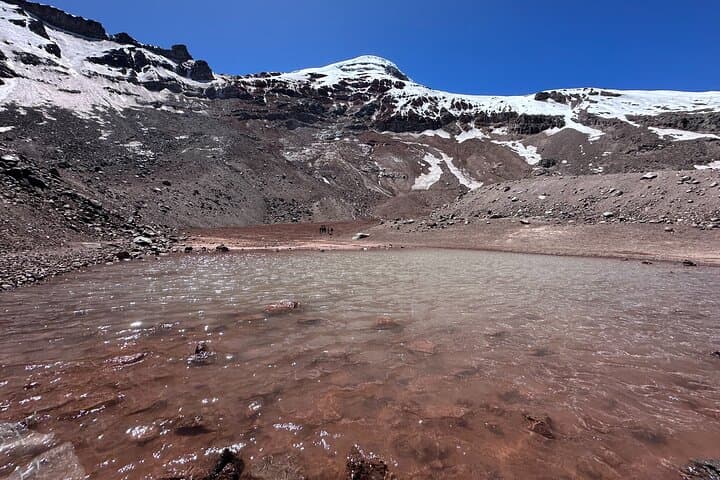
You step from the van into thin air—the Andes press close, wind carving outlines on snowfields and crater rims. Low clouds roll through the saddle between Cotopaxi and the surrounding peaks while Quilotoa’s water glares an impossible turquoise below. Over two days this route moves from grazed páramo and volcanic scree to a broad caldera lake and the high slopes of Chimborazo.
Verified experiences and guided adventures in the surrounding area.
Operated by Real Dreams Tour · Quito, Pichincha
You step from the van into thin air—the Andes press close, wind carving outlines on snowfields and crater rims. Low clouds roll through the saddle between Cotopaxi and the surrounding peaks while Quilotoa’s water glares an impossible turquoise below. Over two days this route moves from grazed páramo and volcanic scree to a broad caldera lake and the high slopes of Chimborazo.
These peaks sit on Ecuador’s “Avenue of the Volcanoes,” a chain first described by Alexander von Humboldt in the 19th century. Cotopaxi is an active stratovolcano with a near-perfect cone and glaciated summit; Quilotoa is a collapsed caldera whose crater lake fills a volcanic vent; Chimborazo’s summit, shaped by uplift and erosion, is the farthest point from Earth’s center thanks to equatorial bulge. Indigenous communities here maintain highland agricultural traditions and distinct art styles—Tigua painters and hacienda settlements reflect centuries of Andean life.
Expect compacted trails, loose volcanic gravel, and steep rim views at Quilotoa; at Cotopaxi you may walk to Limpiopungo and, weather permitting, a refuge at ~4,800 m. Chimborazo approaches traverse shrubby páramo with rocky platforms and cold winds that demand layered protection.
Practical: acclimatize in Quito the day before, sip water steadily, and wear stiff-soled boots for volcanic scree. Plan for rapid weather shifts—sun, wind, and rain will trade places within hours. Guided transport and one night’s lodging are included, but bring your own sun protection, a warm hat, and light trekking poles to steady high-altitude steps. With basic fitness and respect for altitude, this circuit delivers high-Andean drama and cultural stops without technical climbing.
moderate.
2 days (approx. 8–10 hours of guided activity).
Good aerobic base for high-altitude walking; able to handle uneven ground and short steep sections.
No technical climbing is required; the tour involves high-altitude hiking and non-technical trails—basic hiking experience is sufficient.
Altitude is the main challenge—symptoms include headache and breathlessness; acclimatize in Quito, hydrate, and communicate symptoms to your guide.
Stiff-soled, ankle-supporting hiking boots are best for volcanic scree and uneven crater edges; trail runners are less ideal.
Yes—private transport, park entrances, one night’s lodging, and some meals (breakfasts and lunches) are included as noted in the itinerary.
The route follows the historic ‘Avenue of the Volcanoes’ described by Humboldt; local highland communities preserve indigenous agricultural and artistic traditions.
Stick to trails, respect grazing areas and cultural sites; park fees support reserve maintenance and local conservation programs.
Real Dreams Tour operates guided outdoor trips and adventures with an emphasis on safety, stewardship, and memorable experiences.
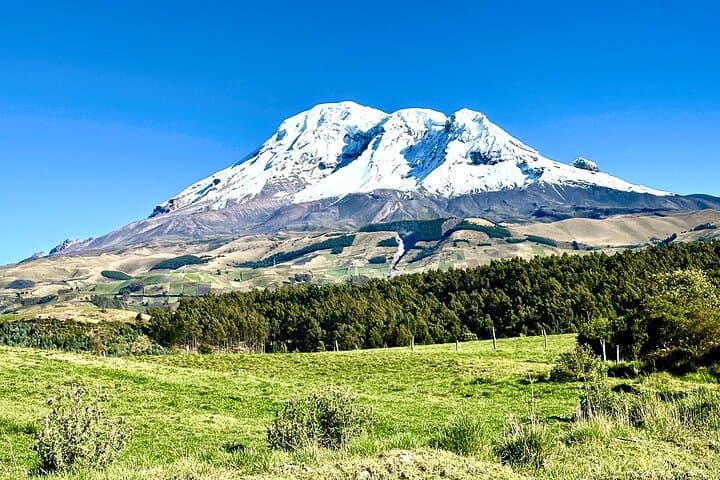
You step from the van into thin air—the Andes press close, wind carving outlines on snowfields and crater rims. Low clouds roll through the saddle between Cotopaxi and the surrounding peaks while Quilotoa’s water glares an impossible turquoise below. Over two days this route moves from grazed páramo and volcanic scree to a broad caldera lake and the high slopes of Chimborazo.
You step from the van into thin air—the Andes press close, wind carving outlines on snowfields and crater rims. Low clouds roll through the saddle between Cotopaxi and the surrounding peaks while Quilotoa’s water glares an impossible turquoise below. Over two days this route moves from grazed páramo and volcanic scree to a broad caldera lake and the high slopes of Chimborazo.
These peaks sit on Ecuador’s “Avenue of the Volcanoes,” a chain first described by Alexander von Humboldt in the 19th century. Cotopaxi is an active stratovolcano with a near-perfect cone and glaciated summit; Quilotoa is a collapsed caldera whose crater lake fills a volcanic vent; Chimborazo’s summit, shaped by uplift and erosion, is the farthest point from Earth’s center thanks to equatorial bulge. Indigenous communities here maintain highland agricultural traditions and distinct art styles—Tigua painters and hacienda settlements reflect centuries of Andean life.
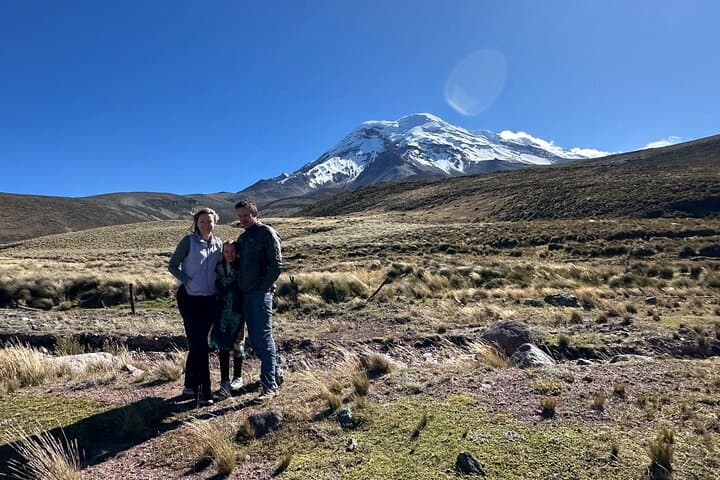
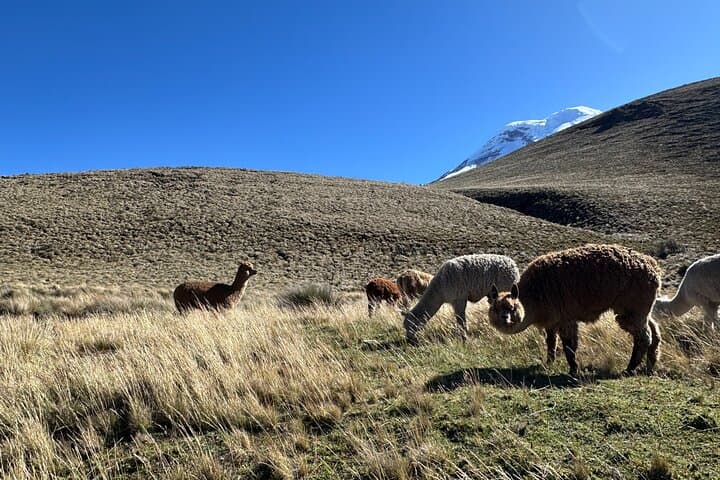
Expect compacted trails, loose volcanic gravel, and steep rim views at Quilotoa; at Cotopaxi you may walk to Limpiopungo and, weather permitting, a refuge at ~4,800 m. Chimborazo approaches traverse shrubby páramo with rocky platforms and cold winds that demand layered protection.
Practical: acclimatize in Quito the day before, sip water steadily, and wear stiff-soled boots for volcanic scree. Plan for rapid weather shifts—sun, wind, and rain will trade places within hours. Guided transport and one night’s lodging are included, but bring your own sun protection, a warm hat, and light trekking poles to steady high-altitude steps. With basic fitness and respect for altitude, this circuit delivers high-Andean drama and cultural stops without technical climbing.