THE ADVENTURE COLLECTIVE® · Independent discovery and booking for outdoor travel

A compact two-day circuit from Chennai that pairs Chettinad’s ornate merchant mansions with ancient Jain caves and hill forts. Ideal for travelers who want cultural depth with manageable walking and local guides.
A compact two-day circuit from Chennai that pairs Chettinad’s ornate merchant mansions with ancient Jain caves and hill forts. Ideal for travelers who want cultural depth with manageable walking and local guides.
Stepping out of Chennai’s bustle, the road loosens into wide plains where tamarind trees lean like watchful elders and the sky opens toward low, stubbled hills. Over two days travelers move through Chettinad’s lived-in grandeur: the red-brick courtyards of Chettiar mansions, rock-cut Jain caves, and compact hill forts that punctuate the horizon.
Verified experiences and guided adventures in the surrounding area.
Stepping out of Chennai’s bustle, the road loosens into wide plains where tamarind trees lean like watchful elders and the sky opens toward low, stubbled hills. Over two days travelers move through Chettinad’s lived-in grandeur: the red-brick courtyards of Chettiar mansions, rock-cut Jain caves, and compact hill forts that punctuate the horizon.
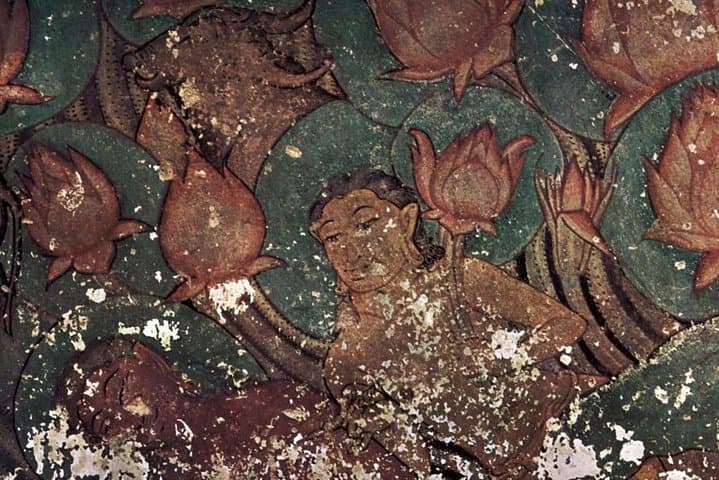
The route threads history and geology. Sittanavasal’s painted caverns—Jain works dated roughly two millennia old—sit in a soft sandstone outcrop whose polished beds and stepped approach attest to ancient quarrying and devotion. Kudumiyanmalai’s thousand-pillared hall showcases Chola-era temple craft and acoustically aware stonework, while Thirumayam Fort records regional resistance against colonial forces and local polities. The Chettiar merchant houses in Kanadukathan and surrounding villages reveal 19th-century trade wealth rendered in lime plaster, teak beams, and encaustic Athangudi tiles.
Culturally the trip is about layered hospitality: village kitchens, tile workshops, and guides who explain caste, commerce, and craft. Locals keep old mansions lived-in, not museumized—respect and modest photography go far.
Practical side: expect a mix of short steep climbs, stone steps and level village roads; comfortable walking shoes and sun protection are essential. Plan early starts to avoid midday heat, carry water and small cash for village purchases, and leave time to sit in a courtyard over coffee to observe tile makers and elders at work.
This two-day itinerary balances close-up cultural encounters with easily paced exploration—an accessible introduction to Chettinad’s architecture, rock art, and regional history.
moderate.
2 days (approx. 48 hours).
Suitable for travelers in regular, moderate fitness; requires short steep climbs and stairs plus walking on uneven stone surfaces.
The tour covers about 300–350 km round-trip depending on exact sites; travel times vary with traffic and include intra-region transfers.
This itinerary typically includes local overnight accommodation in Chettinad mansions or partner hotels—confirm specifics with the operator at booking.
Yes with reservations: the walking is generally moderate but includes stairs and short steep climbs—mobility limitations should be discussed in advance.
Local hosts and guides can usually arrange vegetarian or other dietary needs if informed ahead of time; notify the operator when booking.
The Chettiar mercantile class built grand mansions in the 19th century funded by trade across Southeast Asia; Sittanavasal preserves Jain rock-cut art dating back roughly two thousand years.
Visitor pressure on fragile rock paintings and old timber structures is a concern—stick to marked paths, avoid touching painted surfaces, and support locally run conservation-friendly businesses.
Stepping out of Chennai’s bustle, the road loosens into wide plains where tamarind trees lean like watchful elders and the sky opens toward low, stubbled hills. Over two days travelers move through Chettinad’s lived-in grandeur: the red-brick courtyards of Chettiar mansions, rock-cut Jain caves, and compact hill forts that punctuate the horizon.
Stepping out of Chennai’s bustle, the road loosens into wide plains where tamarind trees lean like watchful elders and the sky opens toward low, stubbled hills. Over two days travelers move through Chettinad’s lived-in grandeur: the red-brick courtyards of Chettiar mansions, rock-cut Jain caves, and compact hill forts that punctuate the horizon.
The route threads history and geology. Sittanavasal’s painted caverns—Jain works dated roughly two millennia old—sit in a soft sandstone outcrop whose polished beds and stepped approach attest to ancient quarrying and devotion. Kudumiyanmalai’s thousand-pillared hall showcases Chola-era temple craft and acoustically aware stonework, while Thirumayam Fort records regional resistance against colonial forces and local polities. The Chettiar merchant houses in Kanadukathan and surrounding villages reveal 19th-century trade wealth rendered in lime plaster, teak beams, and encaustic Athangudi tiles.
Culturally the trip is about layered hospitality: village kitchens, tile workshops, and guides who explain caste, commerce, and craft. Locals keep old mansions lived-in, not museumized—respect and modest photography go far.
Practical side: expect a mix of short steep climbs, stone steps and level village roads; comfortable walking shoes and sun protection are essential. Plan early starts to avoid midday heat, carry water and small cash for village purchases, and leave time to sit in a courtyard over coffee to observe tile makers and elders at work.
This two-day itinerary balances close-up cultural encounters with easily paced exploration—an accessible introduction to Chettinad’s architecture, rock art, and regional history.